If you have spent any time in the anime community, you know that Dragon Ball is not just a cartoon; it is the foundational text of modern shonen manga. However, for new readers, the sheer volume of content can be overwhelming. The anime series spans hundreds of episodes, with filler arcs and retcons that often confuse the narrative flow. The original manga by Akira Toriyama offers a much tighter, more coherent experience. It is faster-paced, visually distinct, and tells the story exactly as the creator intended.
The most common question we receive at Manga Lane is: "Where do I start?" The answer is simple, but it requires discipline. You must start with the very first volume of the original series. Many newcomers mistakenly jump to Dragon Ball Z because that is where the famous battles begin. However, skipping the original run means missing the character growth that makes Goku’s power feel earned rather than arbitrary. The early volumes establish the world, the rules of ki, and the relationships that drive the entire franchise.
The Adventure Begins: Goku’s Childhood
The series begins not with aliens or gods, but with a young boy living in the mountains. This section is crucial because it defines the tone of the early story: a mix of martial arts adventure, comedy, and exploration. It is lighter than what follows, but it provides the emotional anchor for everything that comes later.
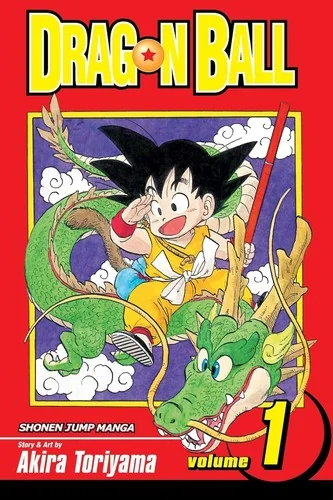
1. Dragon Ball, Vol. 1: The Monkey King
This volume introduces Son Goku, a boy with a tail who believes he is human, and Bulma, a brilliant but brash scientist looking for magical orbs. Their road trip dynamic sets the stage for the entire series. You will meet Master Roshi and learn the basics of martial arts here. It is essential reading to understand Goku’s innocent nature.
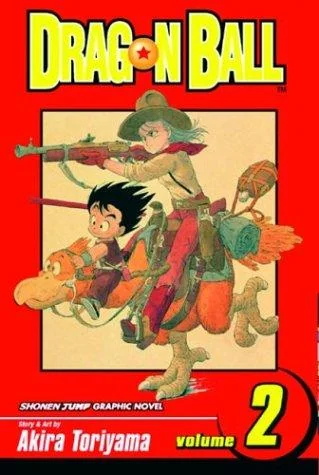
2. Dragon Ball, Vol. 2: Wish Upon a Dragon
The search for the Dragon Balls continues, introducing more eccentric characters and early villains. The tone remains adventurous but begins to hint at the darker elements of the world. This volume solidifies the core cast and establishes the goal that will drive Goku for years.
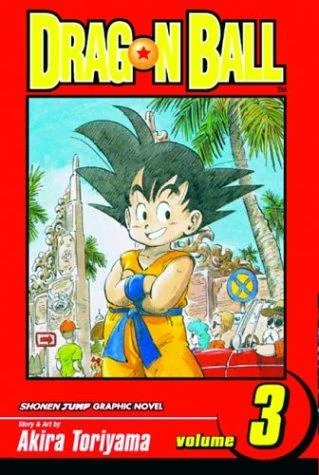
3. Dragon Ball, Vol. 3: The Training of Kame-Sen'nin
Goku begins his formal training under Master Roshi. This is where the martial arts mechanics of the series start to take shape. You will see Goku struggle with discipline and learn that talent alone is not enough. The humor here is sharp, contrasting the serious training with the absurdity of the characters.
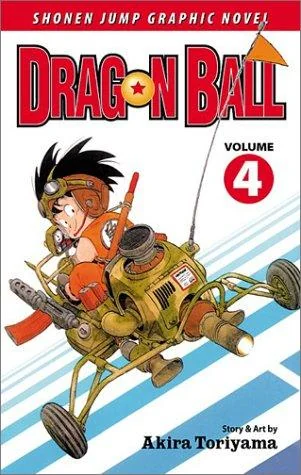
4. Dragon Ball, Vol. 4: Strongest Under the Heavens
The tension rises as Goku prepares for his first major tournament. The stakes feel real because we have seen his growth from a naive child to a skilled fighter. This volume bridges the gap between the exploration phase and the competitive combat that defines the rest of the series.
The Red Ribbon Army and Early Tournaments
As Goku grows older, the threats become more organized and dangerous. The story shifts from random encounters to structured conflicts with powerful organizations. This is where the world-building expands significantly, introducing military-grade technology and elite warriors.
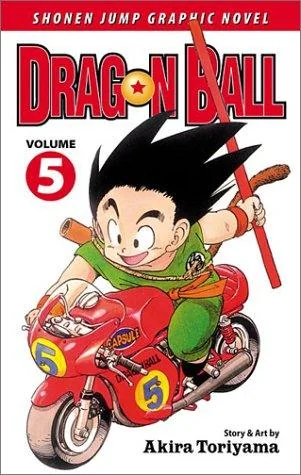
5. Dragon Ball, Vol. 5: The Red Ribbon Army
Goku’s journey takes a darker turn as he confronts the Red Ribbon Army, a militaristic group seeking to weaponize the Dragon Balls. This arc introduces high-stakes combat and moral ambiguity. It is one of the most pivotal arcs in the series, showing Goku’s resilience against overwhelming odds.
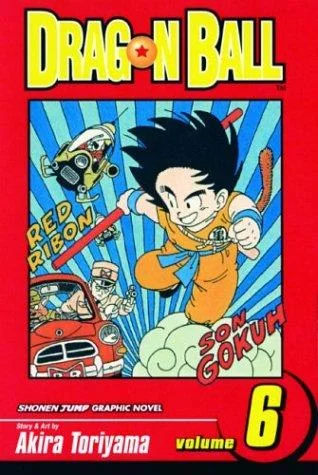
6. Dragon Ball, Vol. 6: Bulma Returns!
Bulma re-enters the narrative, bringing new technology and plot developments. Her presence highlights how far Goku has come from the boy who first met her. The dynamic between them evolves, adding depth to their long-standing friendship.
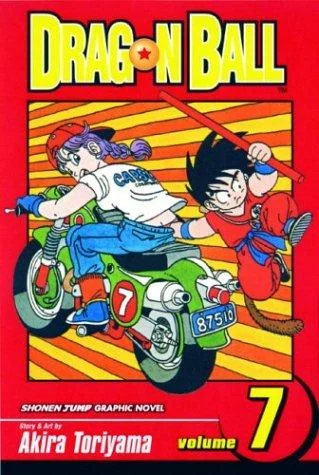
7. Dragon Ball, Vol. 7: General Blue and the Pirate Treasure
The conflict with the Red Ribbon Army intensifies. You will meet General Blue and other elite soldiers, each with unique abilities. The action sequences become more complex, requiring Goku to use strategy rather than just brute force.
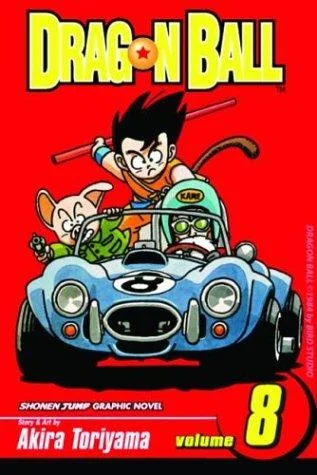
8. Dragon Ball, Vol. 8: Taopaipai & Master Karin
Goku seeks out new mentors to overcome his limits. The introduction of the Korin Tower arc is iconic, testing Goku’s endurance and spirit. This volume is essential for understanding the concept of pushing past one’s physical boundaries.
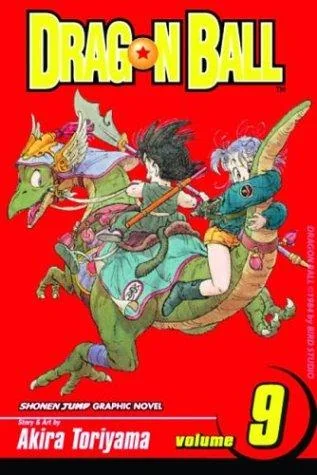
9. Dragon Ball, Vol. 9: Test of the All-Seeing Crone
The training continues with new challenges that test Goku’s mind as much as his body. The humor remains a key component, balancing the intense preparation for the upcoming tournament.
The World Martial Arts Tournaments
The 21st and 22nd World Martial Arts Tournaments are the centerpiece of the original Dragon Ball. These arcs showcase the best of Toriyama’s character design and fight choreography. Each opponent represents a different fighting style, forcing Goku to adapt and evolve.
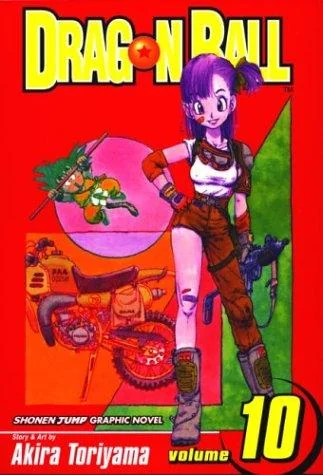
10. Dragon Ball, Vol. 10: Return to the Tournament
Goku enters the 21st Tenkaichi Budokai. This volume introduces many future allies and rivals. The fights are technical and strategic, showcasing the depth of the martial arts world Toriyama has built.
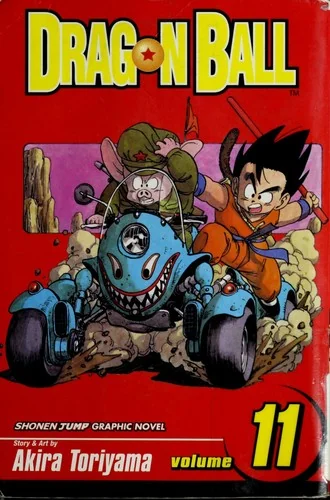
11. Dragon Ball, Vol. 11: The Eyes of Tenshinhan
The tournament progresses, and Goku faces Tenshinhan, a rival who mirrors his own journey but with a different moral compass. This rivalry is central to Goku’s development as a fighter.
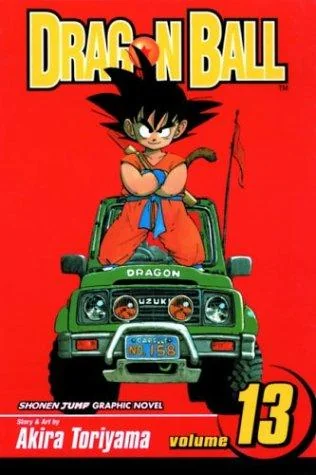
12. Dragon Ball, Vol. 13: Piccolo Conquers the World
Time skip forward. The world has changed, and new threats emerge. Piccolo, once an enemy, becomes a complex figure in Goku’s life. This volume sets the stage for the next generation of heroes.
The Final Stretch
The narrative shifts towards a more apocalyptic tone as ancient evil awakens, preparing the reader for the transition to Dragon Ball Z. The stakes reach unprecedented levels, and the emotional weight of the confrontations is palpable.
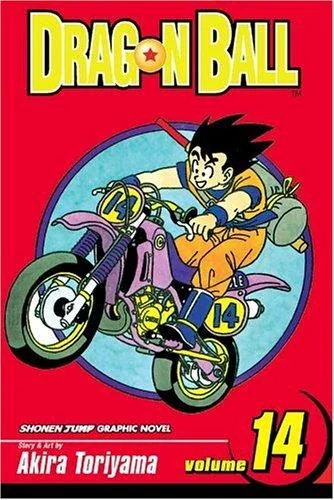
13. Dragon Ball, Vol. 14: Heaven and Earth
The stakes reach unprecedented levels as ancient evil awakens. The narrative shifts towards a more apocalyptic tone, preparing the reader for the transition to Dragon Ball Z.
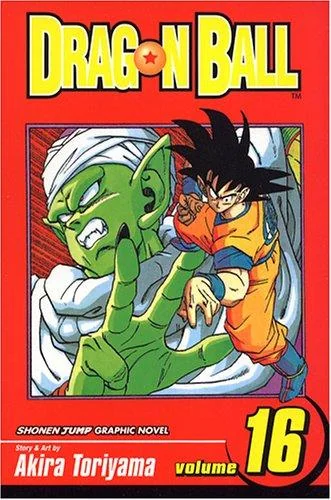
14. Dragon Ball, Vol. 16: Goku vs. Piccolo
The final arc of the original series. Goku’s battle with Piccolo is not just a fight; it is a culmination of themes about friendship, sacrifice, and legacy. This volume concludes the childhood saga and opens the door to the adult era.
How to Continue Your Journey
Once you finish Dragon Ball, Vol. 16, you have completed the original series. The story continues in Dragon Ball Z, which picks up shortly after these events. However, many readers find that starting with the original manga provides a deeper appreciation for the characters’ growth. If you enjoy this style of adventure and martial arts, you might also appreciate other classic shonen series that emphasize training and tournament arcs.
Reading in order ensures you do not miss the subtle foreshadowing and character moments that make Dragon Ball a timeless classic. Start with Volume 1, and let Goku’s journey unfold exactly as Akira Toriyama designed it.