Colorist
A colorist adds colour to a comic's inked pages, setting mood, time of day and focus, and guiding the eye through each panel.
In depth
After pencils and inks, the colorist colours the pages. In early American comics this was done with a limited palette of flat colours printed by hand-cut separations; digital colouring since the 1990s allows gradients, lighting and painterly effects.
What colour does
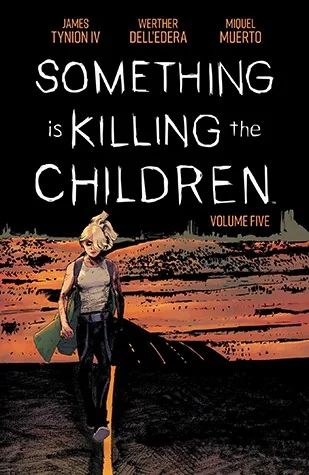
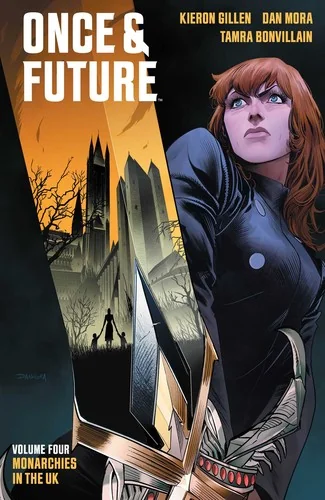
Colour sets the atmosphere of a scene, separates foreground from background, marks flashbacks or dream sequences, and draws the eye to what matters. Most manga is printed in black and white, with colour only on covers and occasional pages; webtoons are typically in full colour.
Flatting and rendering
Modern colouring is often done in stages. Flatting fills each shape with a plain base colour so areas can be selected; rendering adds light, shadow, texture and effects. On busy schedules, flatting is sometimes done by an assistant and rendering by the credited colourist.
Colour and edition
The same story can look markedly different from one edition to the next if it has been recoloured for reprint. Some readers prefer the original flat colours of older comics for their period feel; others prefer modern recolouring. Edition listings that mention restored or remastered colour are signalling exactly this choice.
What it means today
Recoloured reprints of older comics can look very different from the originals; collectors often care which version an edition uses.