Graphic Novel
A graphic novel is a comic published as a book: either a long story written to be read as one work, or a collection of previously serialized issues bound together.
Where the word comes from
The phrase was used by fans and critics in the 1960s, but it reached the public with Will Eisner's A Contract with God (1978), which carried "a graphic novel" on its cover to persuade bookshops to stock a comic as literature.
In depth
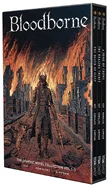
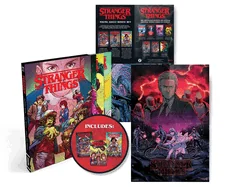
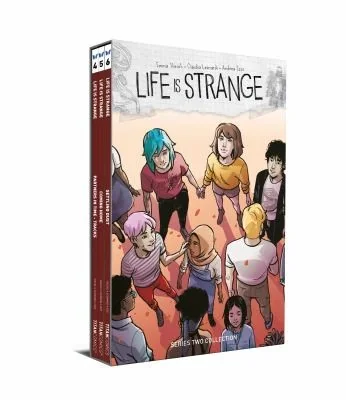
A graphic novel is a book-length comic. The term covers two different things that end up on the same shelf. The first is a work conceived as a single book, like Art Spiegelman's Maus or Marjane Satrapi's Persepolis, written and drawn to be read from first page to last. The second is a collection of serialized comics — a run of monthly issues gathered into one volume — which the industry more precisely calls a trade paperback or collected edition.
Why the word matters
For decades comics were sold as thin periodicals at newsstands and in comic shops. The graphic novel moved them into bookshops and libraries, onto the same shelves as prose. Maus received a special Pulitzer Prize in 1992, and by the 2000s most major publishers had a graphic novel imprint.
Graphic novel or comic book?
The art form is identical. In shop language, a comic book usually means a single stapled issue, and a graphic novel means anything bound as a book with a spine, whatever its original publication.
Where it appears
Maus by Art Spiegelman. the graphic novel that changed how critics read comics
Persepolis by Marjane Satrapi. memoir written as a single book
A Contract with God by Will Eisner. the 1978 book that put the term on a cover
What it means today
If a book says "collects issues #1–6" on the back, it is a collected edition of a series and has later volumes. If it says nothing of the kind, it is usually a standalone work. That one line tells you whether you are buying a whole story or the first part of one.