Mecha
Mecha is a science-fiction genre centred on giant piloted robots or powered suits, from heroic super-robot adventures to war stories about machines as weapons.
Where the word comes from
From the Japanese meka, a borrowing of the English "mechanical".
In depth
Mecha stories put people inside machines — towering humanoid robots, transforming vehicles or armoured suits — and are as much about the pilots as the hardware.
Super robot and real robot
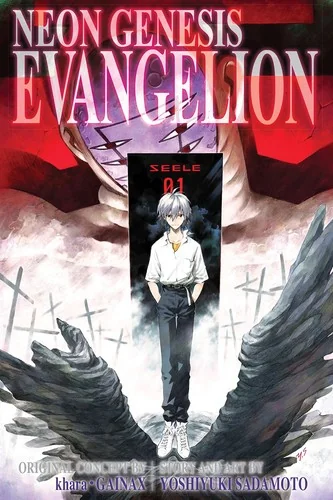
Go Nagai's Mazinger Z (1972) defined the super robot: a unique, nearly invincible machine piloted by a hero against monsters. Mobile Suit Gundam (1979) began the real robot tradition, treating robots as standardised military equipment in a war with politics and casualties. Neon Genesis Evangelion, which had a manga by Yoshiyuki Sadamoto alongside the anime, turned the genre inward toward its pilots' psychology.
In print
Many mecha franchises began as anime, with manga adaptations and side stories; others began as manga. Bookshops shelve them with science fiction manga.
Pilots and themes
Mecha stories often focus on young pilots thrust into war, which makes them stories about growing up, duty and trauma as well as battles. The machines can stand for national power, technology out of control or simply the thrill of scale.
In bookshops
Mecha manga sits on our mecha shelf within Manga & Manhwa, and related science-fiction comics on the sci-fi shelves.
Where it appears
Mobile Suit Gundam: The Origin by Yoshikazu Yasuhiko. manga retelling of the original Gundam story
Neon Genesis Evangelion by Yoshiyuki Sadamoto. manga version of the series
What it means today
If a reader liked the anime, the manga adaptation often tells the same story with different emphasis — Evangelion's manga ends differently from the series.