Panel
A panel is a single framed image on a comics page, one moment of the sequence; the arrangement of panels controls how the reader moves through the story.
In depth
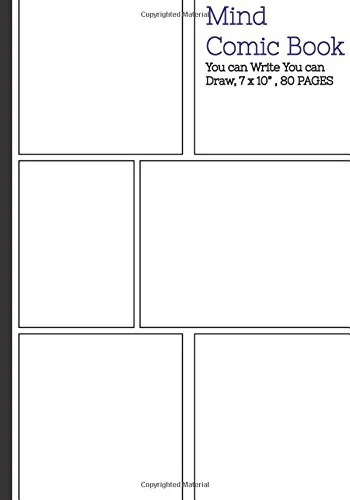
Comics tell stories in sequences of images, and each image is a panel, usually enclosed by a border. A page might hold one panel or a dozen; the layout guides the eye — left to right and top to bottom in Western comics, right to left in manga.
Size and shape as storytelling
Artists vary panel size and shape to set pace and emphasis. A large panel gives a moment weight; small panels in a row create rhythm; a panel without borders can make a moment feel boundless. The space between panels, the gutter, is where the reader connects one moment to the next.
Common layouts
Many American comics use grids of six or nine panels per page, which give a steady rhythm; Watchmen's nine-panel grid is a famous example. Manga tends to use fewer, more varied panels per page, often slanted or overlapping, to follow motion and emotion. Webtoons drop the page altogether and stack panels vertically with open space between them.
Panels and adaptation
When a comic is adapted to film or animation, the panels often become shots almost directly, which is why comics artists are sometimes compared to directors. Reading the comic after the adaptation is a way to see which choices came from the page.
Where it appears
Understanding Comics by Scott McCloud. the classic explanation of how panels and gutters work
What it means today
Reading a comic slowly, panel by panel, reveals how much of the storytelling is in the layout rather than the words.