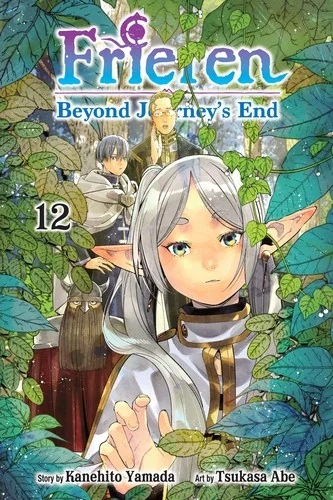
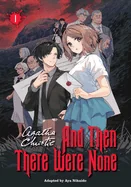
Tankōbon
A tankōbon is a standalone manga volume that collects chapters first serialized in a magazine, the format in which manga is sold as books in Japan and abroad.
Where the word comes from
Japanese 単行本, literally "independent book" — a book published on its own rather than as part of a magazine.
In depth
Most manga first appears chapter by chapter in weekly or monthly anthology magazines. Once enough chapters exist — typically around eight to twelve — the publisher collects them into a tankōbon: a paperback of roughly two hundred pages with a dust jacket in Japan, numbered as a volume of the series.
In English editions
English-language manga follows the same structure: each volume corresponds to a Japanese tankōbon, keeps its numbering, and is usually printed in the original right-to-left orientation. Publishers also issue omnibus editions that bind two or three tankōbon into one larger book.
Why it matters to readers
Volume numbers are the reading order. A manga series is almost always read from volume 1 onward, and the count of published volumes tells you how long a commitment it is.
Editions beyond the tankōbon
Japanese publishers also issue bunkoban (smaller, cheaper reprints that collect more chapters per volume) and kanzenban (deluxe editions, often larger and with restored colour pages). English editions sometimes follow these, which can change the volume numbering — always check which edition a set belongs to.
What it means today
Check whether an English release is a single volume or a 2-in-1 or 3-in-1 omnibus before comparing prices: the volume numbers on the cover give it away.