There is nothing quite like Q Hayashida’s Dorohedoro. It is a masterpiece of grime, dark humor, and industrial fantasy that defies easy categorization. You have a protagonist with a reptile head who bites down on the skulls of magic-users to consult the man living inside his throat. You have a setting literally called "the Hole," a decaying slum used as a testing ground by dimension-hopping Sorcerers. And somehow, amidst the graphic violence and body horror, it is one of the most heartwarming and genuinely funny series on the shelf.
With the anime adaptation finally confirming a second season, a massive wave of fans is looking to the manga to find out what happens next. The good news? The manga is entirely finished. Q Hayashida completed the story across 23 volumes, meaning you can experience the entire chaotic saga right now without waiting years for new chapters.
If you are wondering exactly how to tackle this beast, where the anime leaves off, or how the narrative arcs break down, you are in the right place. Let's break down the complete Dorohedoro manga reading order.
Transitioning from the Anime: Where to Start
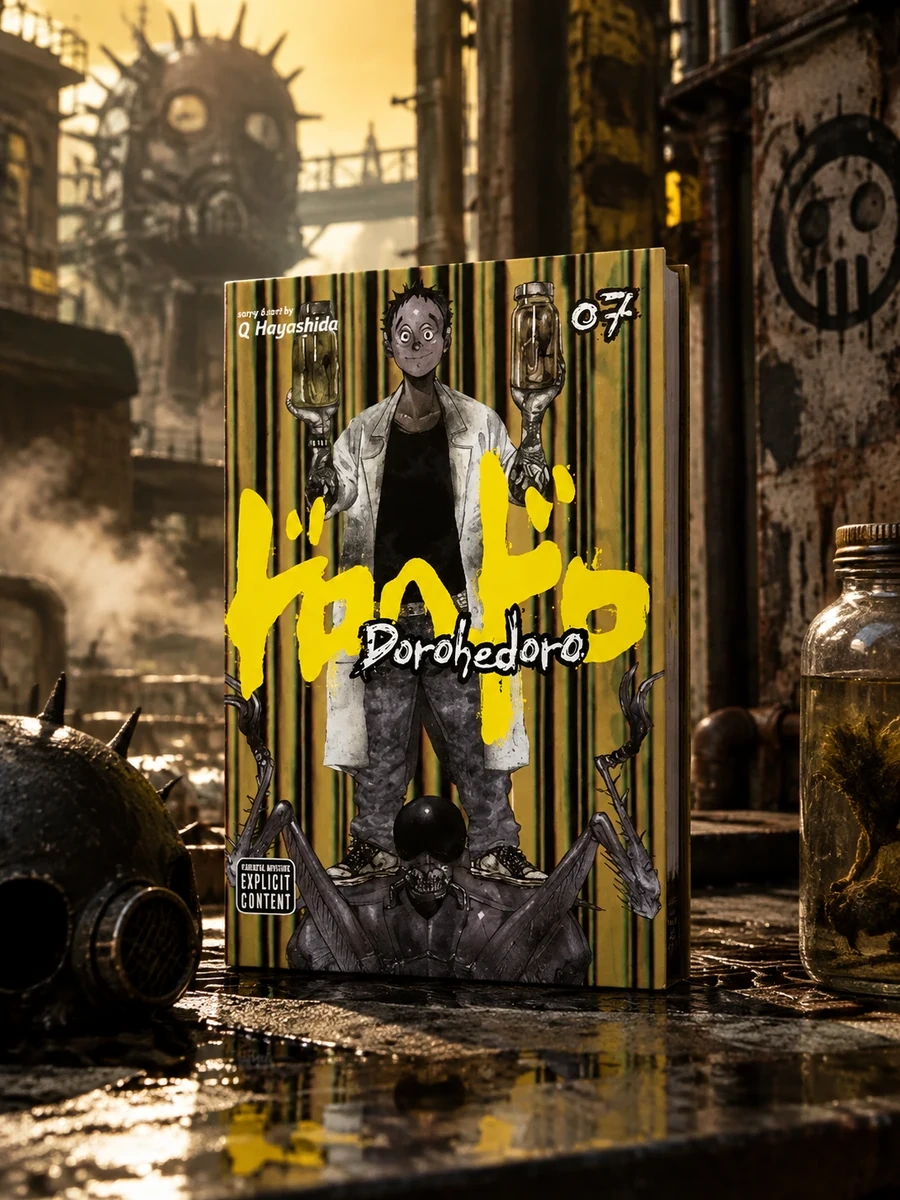
If you have just finished the first season of the anime and want to jump straight into the manga, you will want to pick up Dorohedoro, Vol. 7. The anime’s first season covers roughly the first 40 chapters, wrapping up neatly near the end of the seventh volume.
However, as an editor who has spent years recommending this series, I strongly advise starting from the very beginning. The anime is fantastic, but Hayashida’s raw, sketched art style is a huge part of the series' identity. Her scratchy line work gives the Hole a textured, filthy atmosphere that pristine animation simply cannot replicate. Plus, the manga includes numerous "bonus curses"—short side chapters that flesh out the bizarre daily lives of the characters. These small moments are crucial for building your attachment to the cast.
The Complete Dorohedoro Reading Order
To make the 23-volume run manageable, I have broken the series down into its major narrative eras. Q Hayashida doesn't explicitly name these arcs, but the story naturally shifts focus as the mystery of Caiman's identity unravels.
1. Dorohedoro, Vol. 1 – Vol. 4: Introduction to the Hole
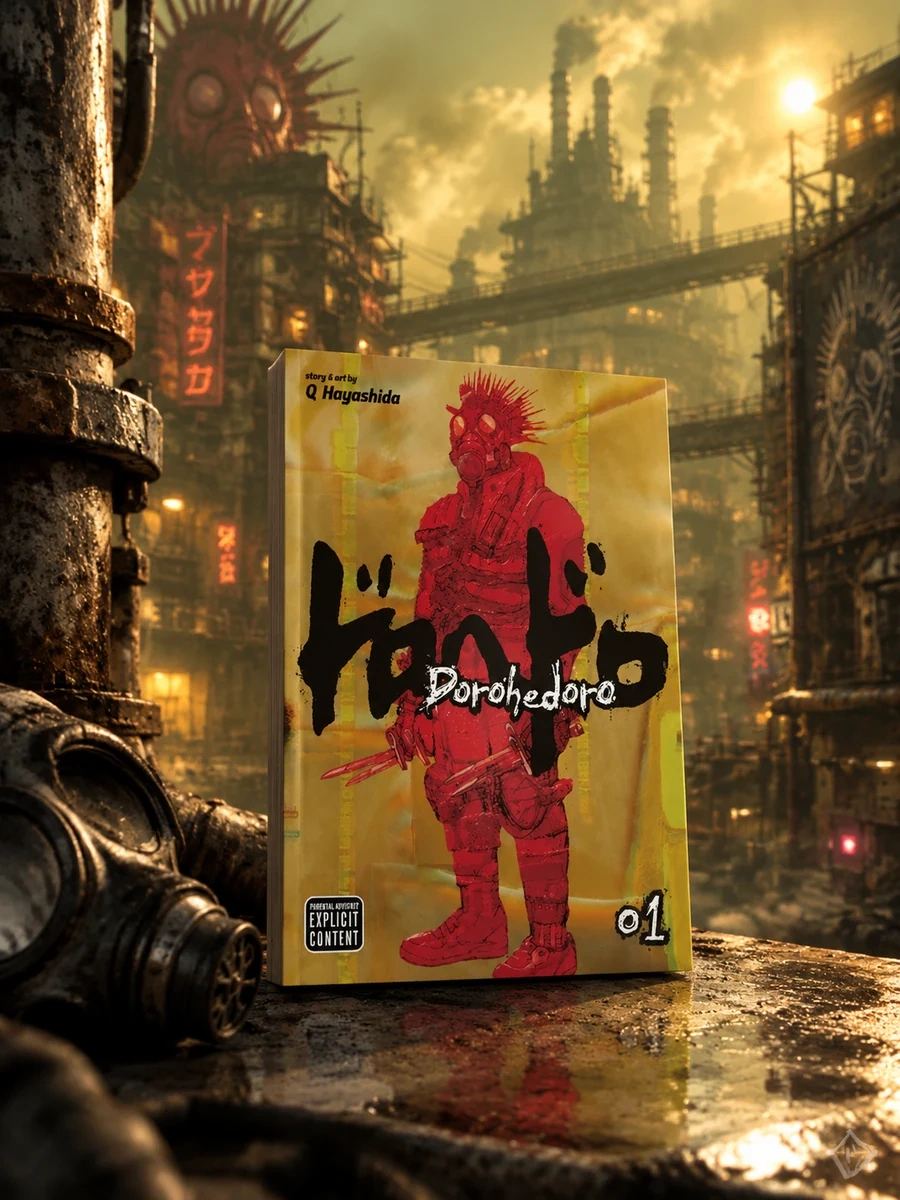
This is where the madness begins. We meet Caiman, an amnesiac with a lizard head, and his best friend Nikaido, owner of the Hungry Bug restaurant and purveyor of incredible gyoza. Together, they hunt Sorcerers in the Hole, looking for the one who cursed Caiman. We are quickly introduced to the opposing faction: the En Family, a powerful mafia-like syndicate of Sorcerers led by the mushroom-obsessed En. You also meet the series' most beloved duo, the "cleaners" Shin and Noi, who are tasked with taking out Caiman. Start your collection with Dorohedoro, Vol. 1. These early volumes establish the rules of the magic system (which operates via smoke produced in the body) and set the uniquely morbid yet comedic tone.
2. Dorohedoro, Vol. 5 – Vol. 7: The Blue Night
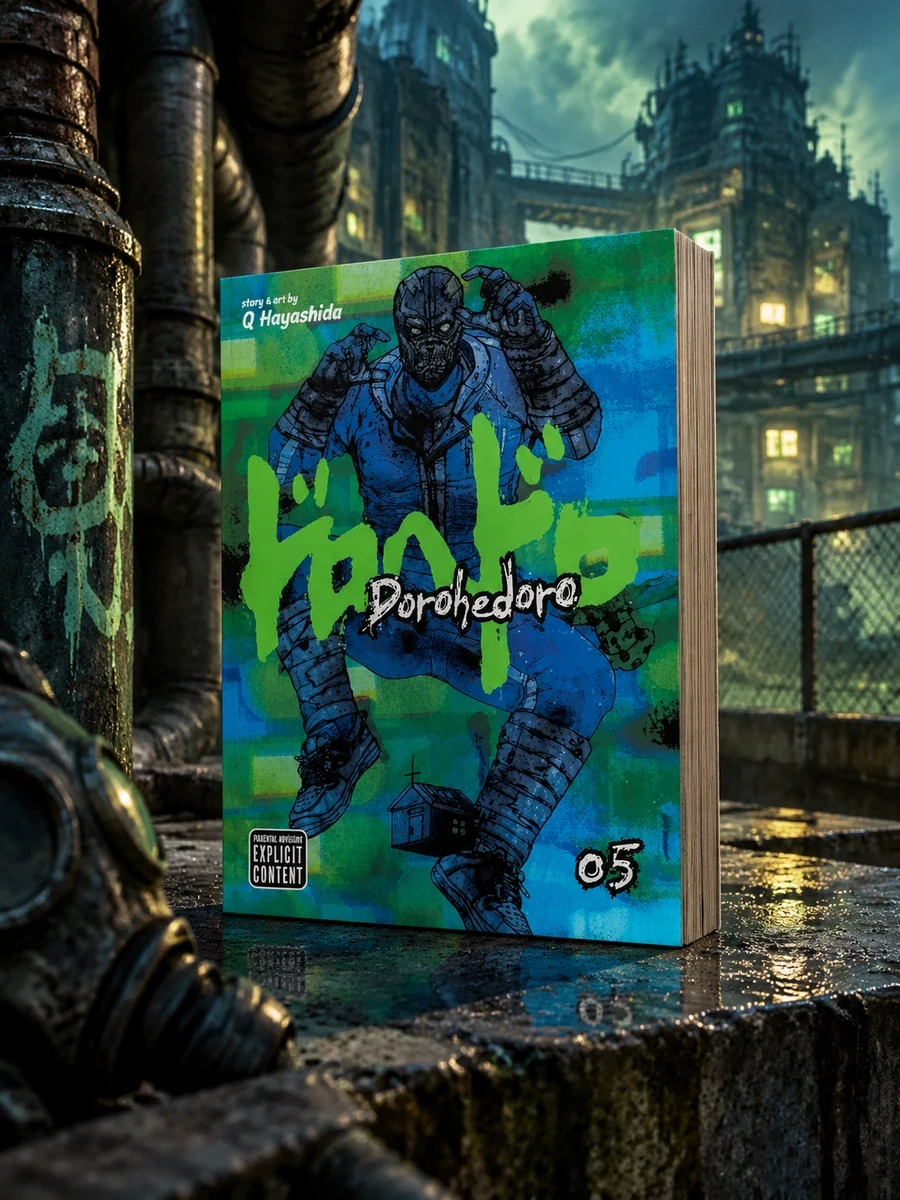
The plot shifts away from simple skirmishes and heads directly into the Sorcerers' world. The focal point of this section is the Blue Night, a massive, chaotic festival where Sorcerers partner up by signing binding contracts. If you want to grab the start of this wild event, pick up Dorohedoro, Vol. 5. This arc vastly expands the lore, introducing the strange devils that oversee the magic users, most notably the eccentric Chidaruma. We get deeper backstories for characters like Shin and Noi, and the lines between "good guys" and "bad guys" become entirely blurred. You will find yourself rooting just as hard for the En Family as you do for Caiman and Nikaido.
3. Dorohedoro, Vol. 8 – Vol. 11: Unraveling the Cross-Eyes
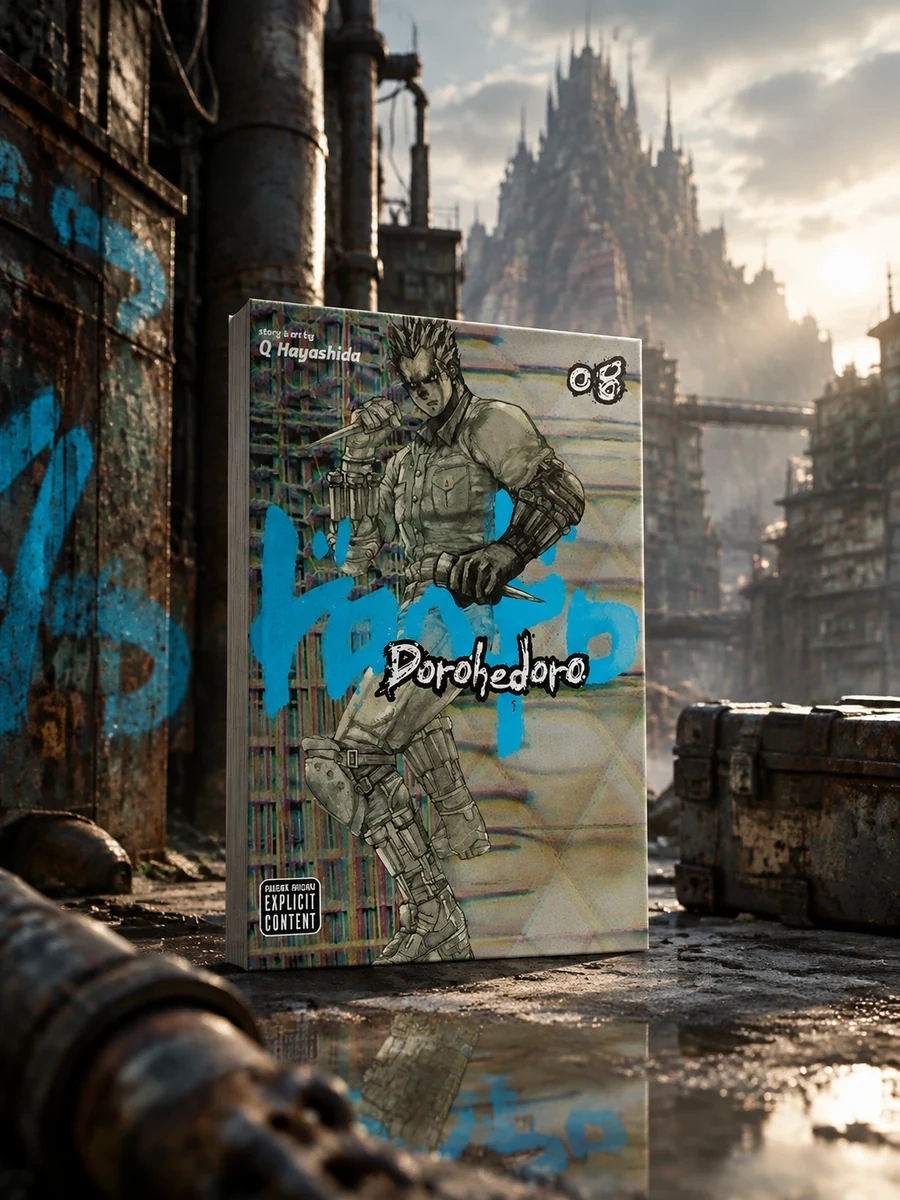
By the time you reach Dorohedoro, Vol. 8 (Original), the mystery of who Caiman really is begins to crack open. The narrative focuses heavily on the Cross-Eyes, a street gang of weak magic-users who traffic in black market black powder—a highly illegal drug that artificially boosts magical output. Their mysterious, knife-wielding Boss becomes a central figure of terror and intrigue. This section is incredibly dense with plot twists. Identities are revealed, loyalties shift, and the true, horrifying nature of the magic-users' society comes to light. The pacing here is relentless, and Hayashida's creature designs become increasingly grotesque and fascinating.
4. Dorohedoro, Vol. 12 – Vol. 15: The Boss and the Truth
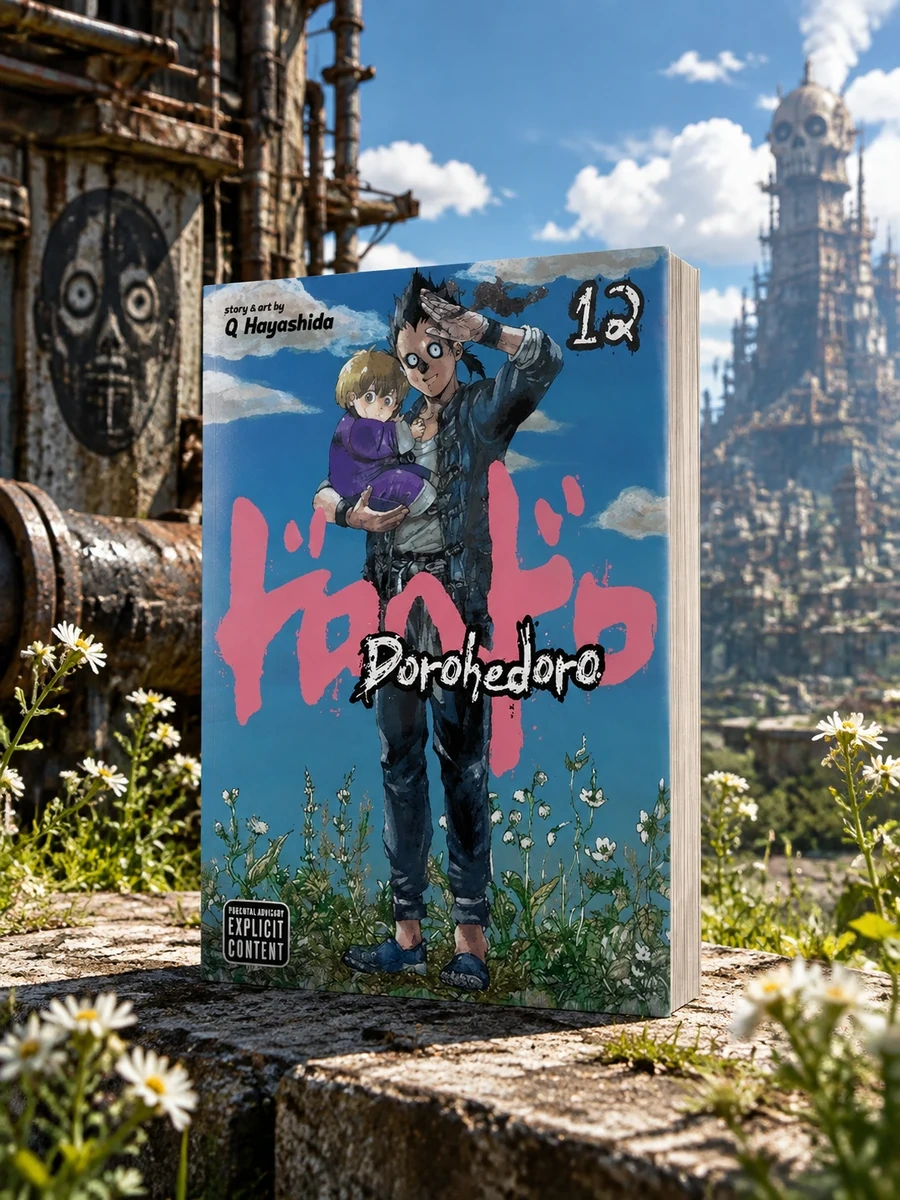
Starting around Dorohedoro, Vol. 12, the scale of the conflict expands massively. The En Family faces severe internal and external threats, and the history of the Hole itself is called into question. We learn exactly how the city became a toxic wasteland and the origins of the bitter war between normal humans and Sorcerers. This segment is arguably the darkest stretch of the series, leaning heavily into the horror aspects of the setting. Yet, Hayashida never loses her grip on the comedy. Even amidst tragedy and brutal confrontations, a character might slip on a banana peel or get distracted by a fresh plate of gyoza.
5. Dorohedoro, Vol. 16 – Vol. 19: Chaos and the Central Department Store
If you thought the series was strange before, Dorohedoro, Vol. 16 kicks off what fans affectionately call the Department Store arc. The cast converges on a massive, labyrinthine shopping center for a prolonged, multi-faction battle that spans several volumes. It is absolute, unadulterated chaos. Characters swap allegiances, strange magical phenomena warp the environment, and the survival horror elements dial up to an eleven. The claustrophobic setting of the department store forces everyone into tight, brutal encounters. It is a brilliant display of Hayashida's ability to choreograph complex action involving dozens of characters simultaneously.
6. Dorohedoro, Vol. 20 – Vol. 23: The Final Showdown
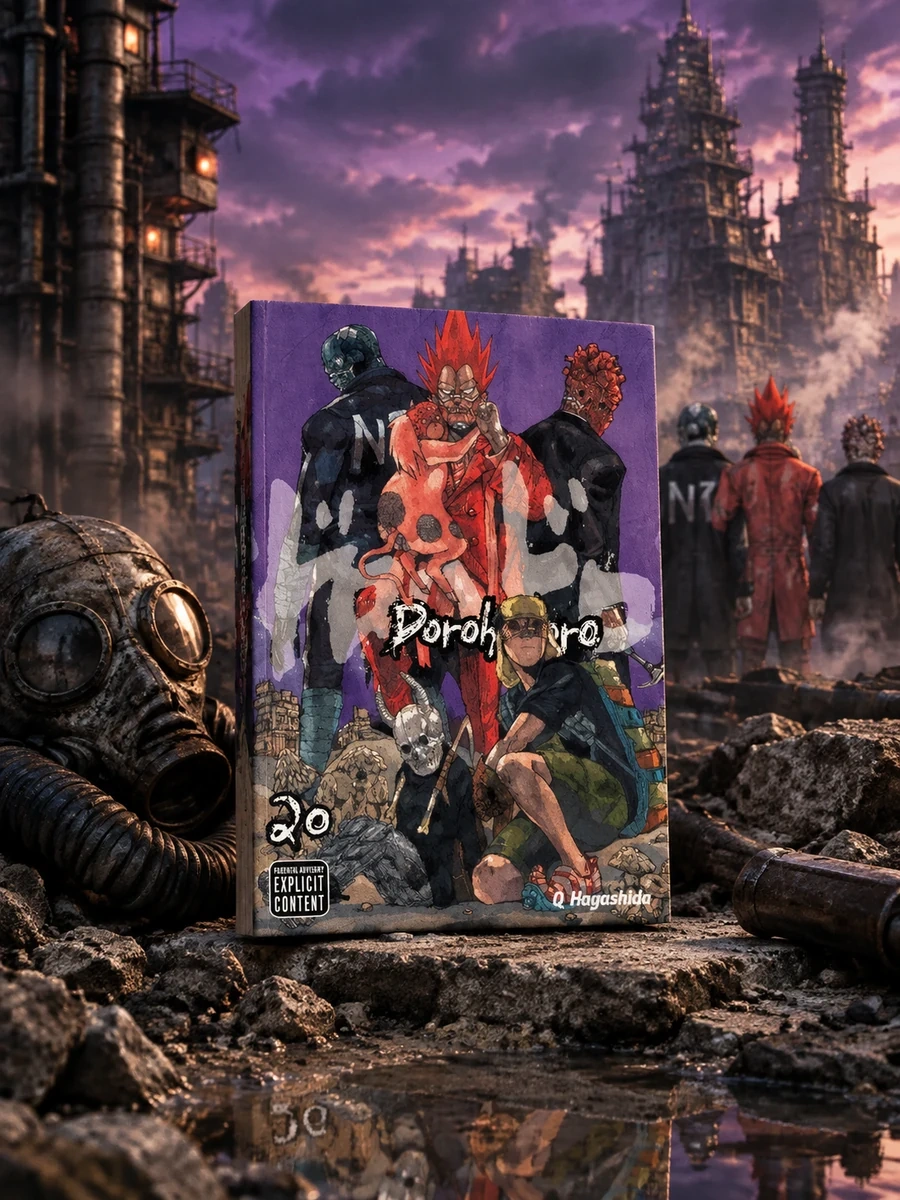
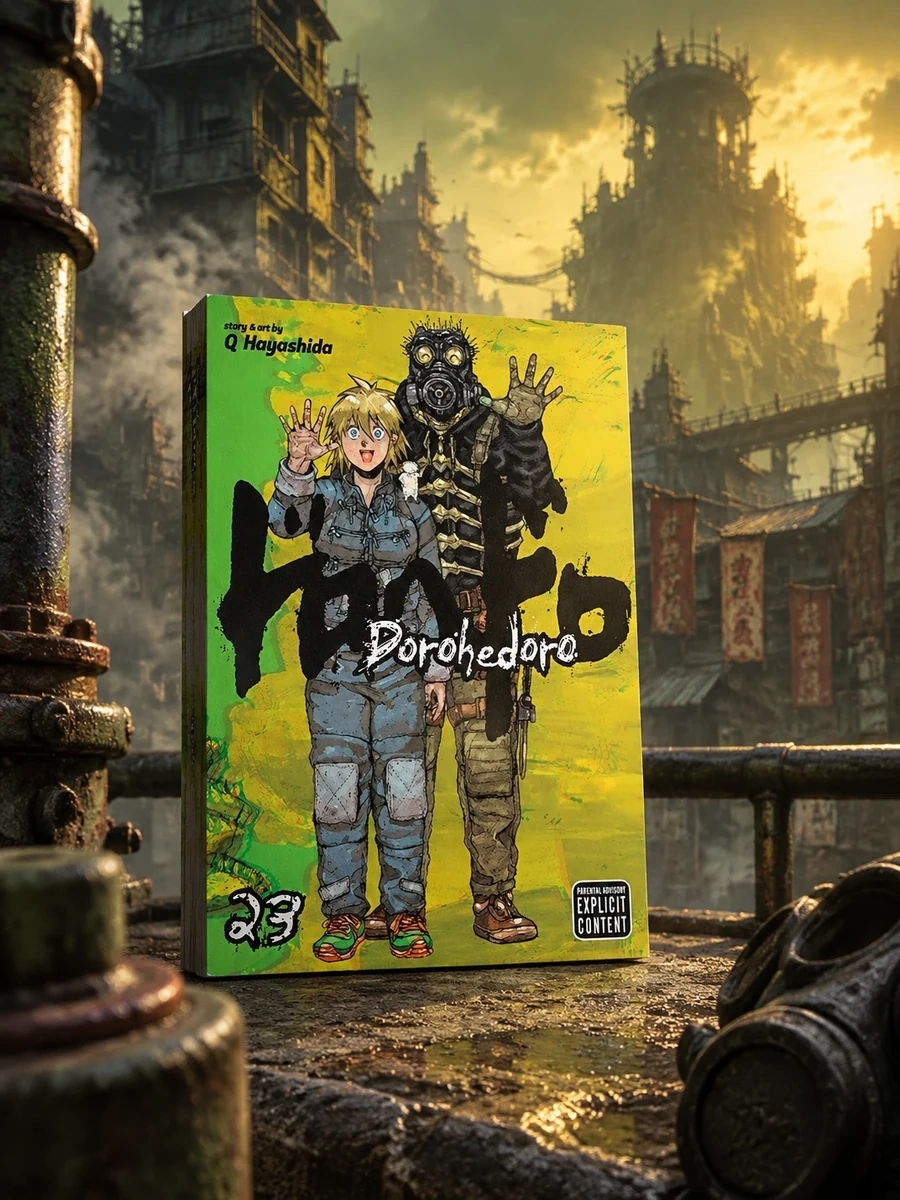
The grand finale begins with Dorohedoro, Vol. 20 and concludes the saga entirely in Dorohedoro, Vol. 23. Everything coalesces into a massive battle for the very existence of the Hole and the Sorcerers' realm. The true antagonist is fully realized, taking on a form that is both conceptually terrifying and visually stunning. To say anything more would ruin the surprise, but rest assured, the conclusion is incredibly satisfying. It ties up the absurdly tangled web of plot threads in a way that feels earned, keeping the grimy, punk-rock spirit of the manga intact right up to the final page.
What to Read After the Hole
Once you finish those 23 volumes, you will likely experience a void. Very few manga capture that exact blend of ultra-violence, found family, and bizarre humor. However, there are a few series that carry a similar torch.
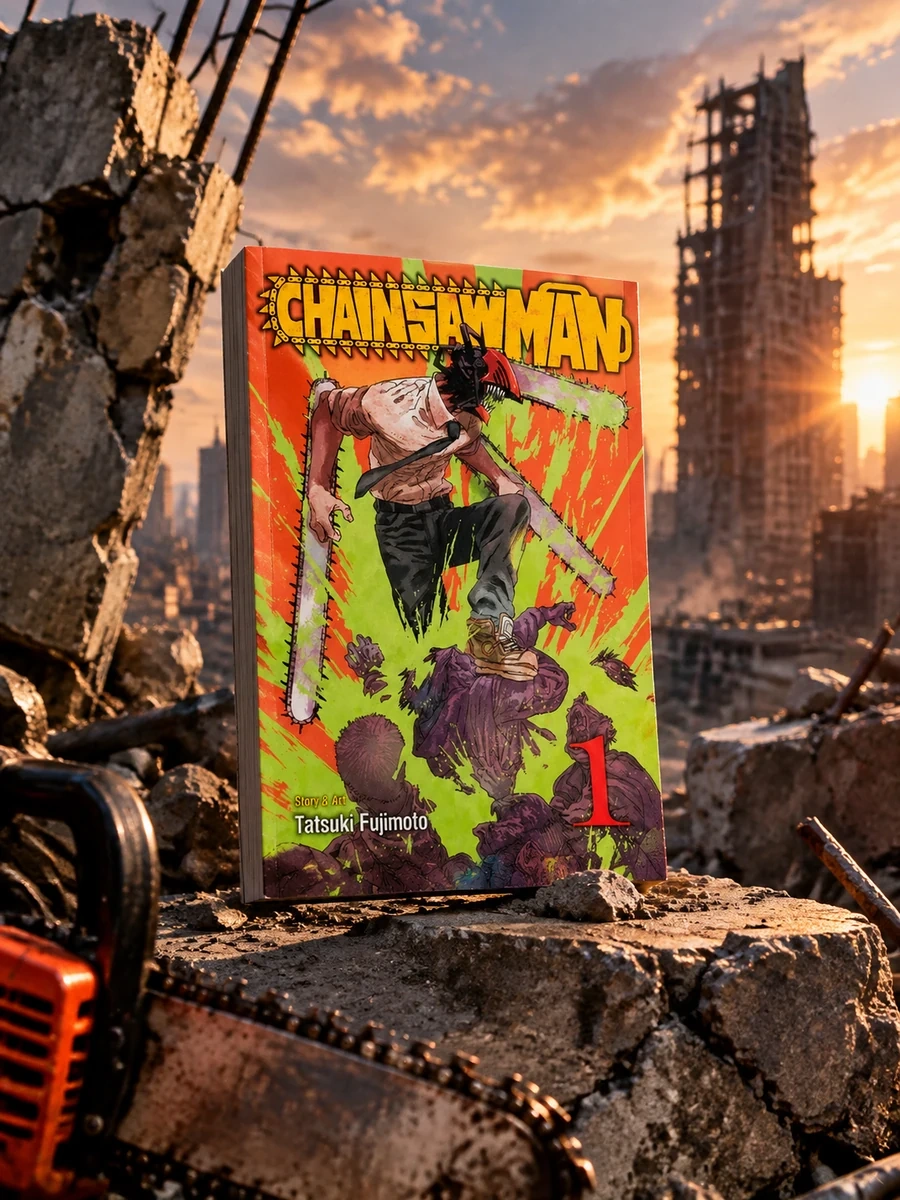
7. Chainsaw Man, Vol. 1 — Tatsuki Fujimoto
If you loved the unpredictable nature and the gory, devil-centric world of Dorohedoro, you must read Chainsaw Man, Vol. 1. Tatsuki Fujimoto’s massive hit shares a lot of DNA with Hayashida's work. It features a down-on-his-luck protagonist, a supporting cast of deeply flawed but lovable weirdos, and an aesthetic that swings wildly between mundane comedy and grotesque horror. It is fast-paced, emotionally devastating, and completely unhinged in the best way possible.
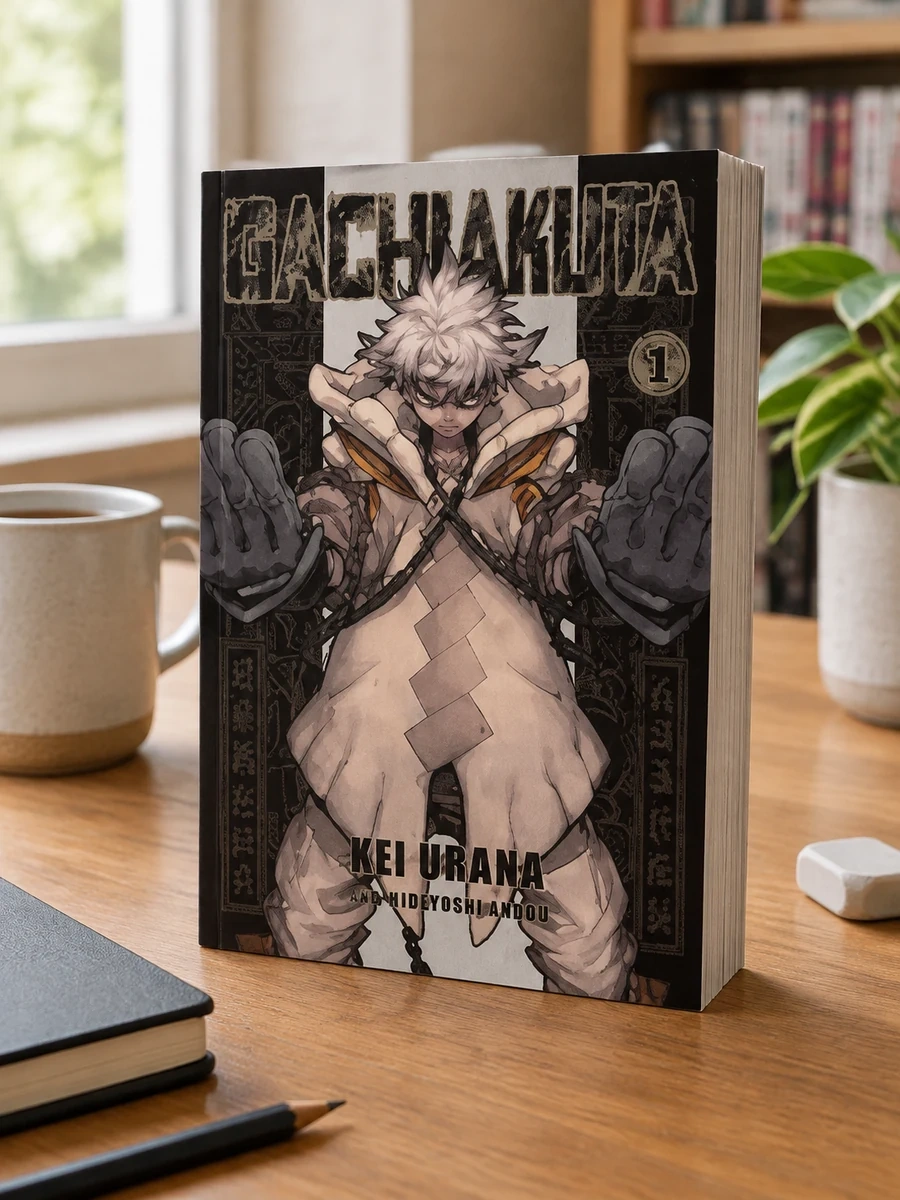
8. Gachiakuta 1 — Kei Urana
For something newer that absolutely nails the grimy, street-level aesthetic, check out Gachiakuta 1. Kei Urana's art style is aggressively stylish, filled with heavy inks and graffiti-inspired character designs. The story follows Rudo, a boy cast down into a literal garbage pit below his floating city, who discovers he can draw power from discarded trash. It captures that same feeling of outcasts surviving in a hostile, polluted world, backed by an incredibly unique magic system.
Final Thoughts on the Journey
Reading Dorohedoro is an experience. It demands that you accept its weirdness at face value. You will quickly learn to stop questioning why a giant talking cockroach named Jonson plays baseball, or why a devil’s ultimate test involves making a pie. You just buckle in and enjoy the ride. Gather your volumes, make yourself a massive plate of gyoza, and enjoy one of the most original dark fantasy stories ever put to paper.