As the air turns crisp and Halloween decorations start appearing in storefronts, it is the perfect time to revisit one of the most stylish entries in the dark fantasy genre. Soul Eater by Atsushi Ohkubo has long been a staple for readers who crave action wrapped in gothic aesthetics, musical themes, and a healthy dose of macabre humor. If you are looking for where to start this iconic series, the answer is straightforward: begin at the very beginning.
While many new readers might stumble upon Soul Eater through its anime adaptation, the manga offers a distinct narrative rhythm and visual flair that defines the story's core. The series follows students at Death Weapon Meister Academy (DWMA) who train to become both weapons and their human partners, known as Meisters. Their goal is to collect 99 evil souls and one witch’s soul to transform their meister into a Death Scythe.
For those asking about the Soul Eater manga reading order, the path is linear for the main story but branches out for deeper lore. This guide will walk you through the essential volumes of the primary series and highlight where to find the spin-offs that expand this unique universe.
The Main Series: The Core Experience
The heart of the Soul Eater experience lies in the original run published by Viz Media. This is where Ohkubo establishes the tone, introduces the main trio—Maka Albarn, Soul Evans, and Black Star—and sets up the conflict with the Kishin Egg. Reading these volumes in order is non-negotiable for understanding the character dynamics.
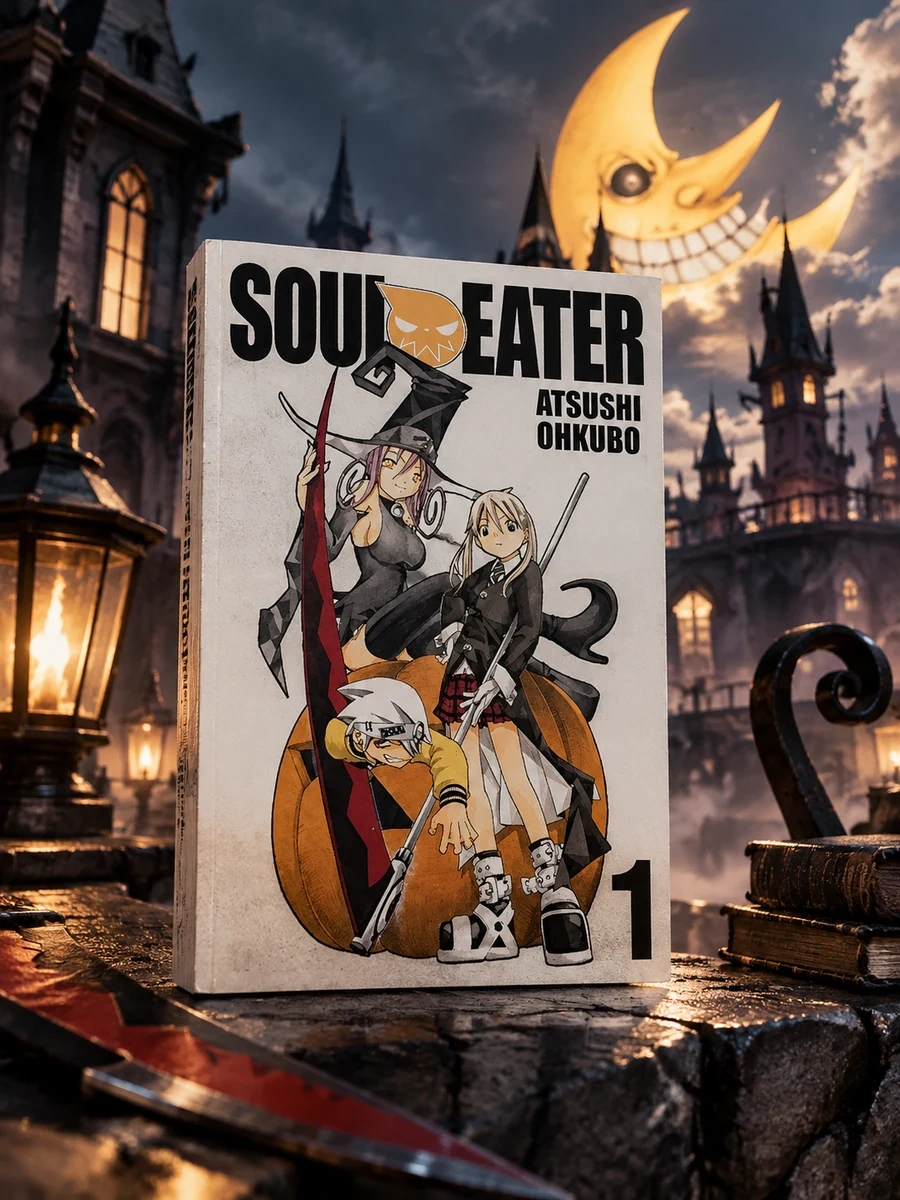
1. Soul Eater, Vol. 1 — Atsushi Ohkubo
Your journey begins here. Soul Eater, Vol. 1 introduces Maka Albarn and her weapon partner, Soul Evans. It establishes the DWMA setting, the concept of Resonance, and the central mystery of the Kishin’s resurrection. The art style is sharp and theatrical, perfectly capturing the gothic school atmosphere.
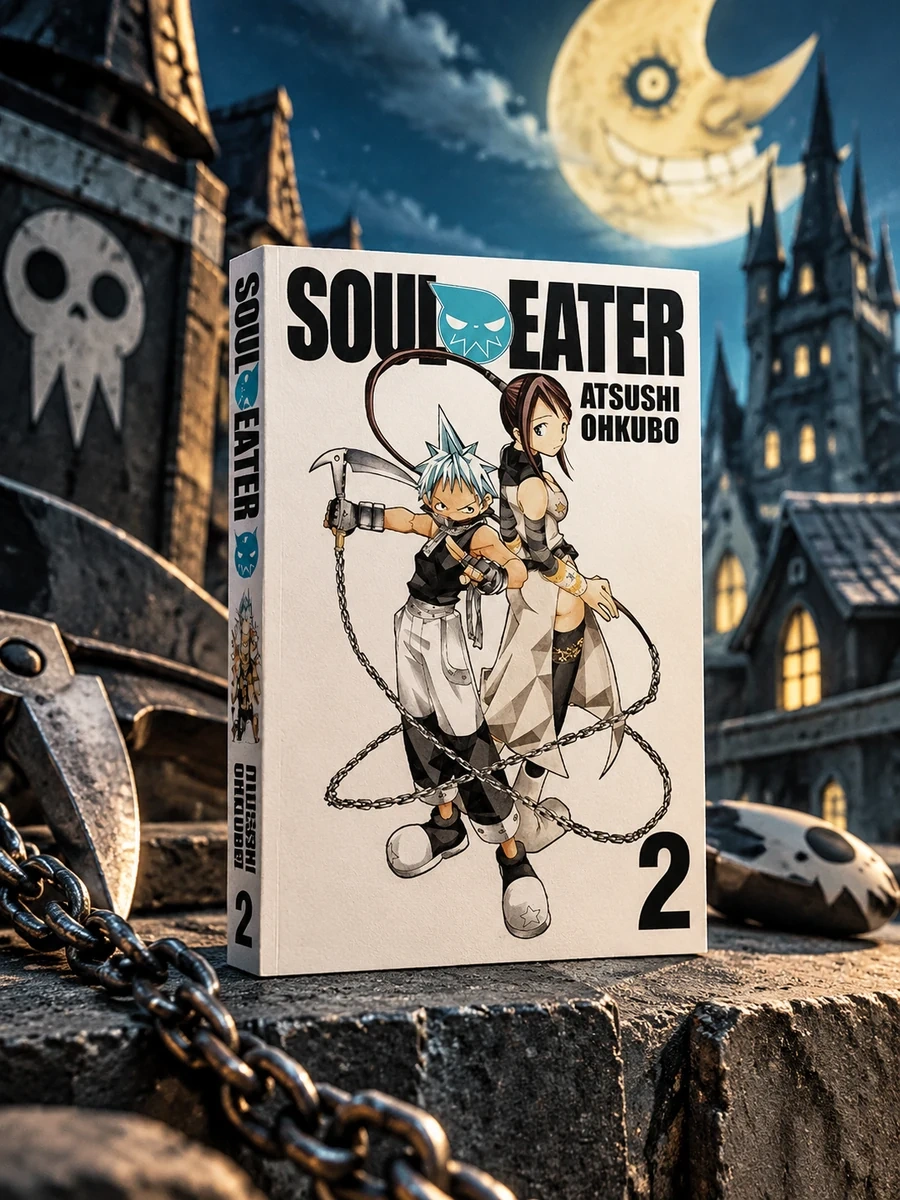
2. Soul Eater, Vol. 2 — Atsushi Ohkubo
The early conflicts deepen as Maka and Soul face off against other students and external threats. Soul Eater, Vol. 2: Volume 2 expands on the supporting cast, including the eccentric Black Star and Tsubaki Nakatsukasa, setting the stage for the team dynamics that define the series.
3. Soul Eater, Vol. 3 — Atsushi Ohkubo
Ohkubo’s background in musical theater shines here. The narrative pacing accelerates, and the horror elements become more pronounced as the students encounter more sinister versions of evil souls. Soul Eater, Vol. 3 features visual storytelling that is particularly striking.
4. Soul Eater, Vol. 4 — Atsushi Ohkubo
The stakes rise as the connection between the current generation of DWMA students and the previous era becomes clearer. Soul Eater, Vol. 4 is crucial for understanding the history of Death Scythes and the weight of their legacy.
5. Soul Eater, Vol. 5 — Atsushi Ohkubo
The series introduces more complex villains and moral ambiguities. Soul Eater, Vol. 5 features elaborate fight choreography that reads like a dance. This volume is essential for fans of action-horror.
6. Soul Eater, Vol. 6 — Atsushi Ohkubo
The narrative shifts focus slightly to explore the psychological aspects of fear and madness. Soul Eater, Vol. 6 emphasizes isolation and dread through atmospheric panels that highlight the gothic horror elements at their peak.
7. Soul Eater, Vol. 7 — Atsushi Ohkubo
The plot thickens as the Kishin’s influence grows. Soul Eater, Vol. 7: Volume 7 is pivotal for character development, particularly for Soul Evans, whose internal struggle with his own soul resonance becomes a central theme.
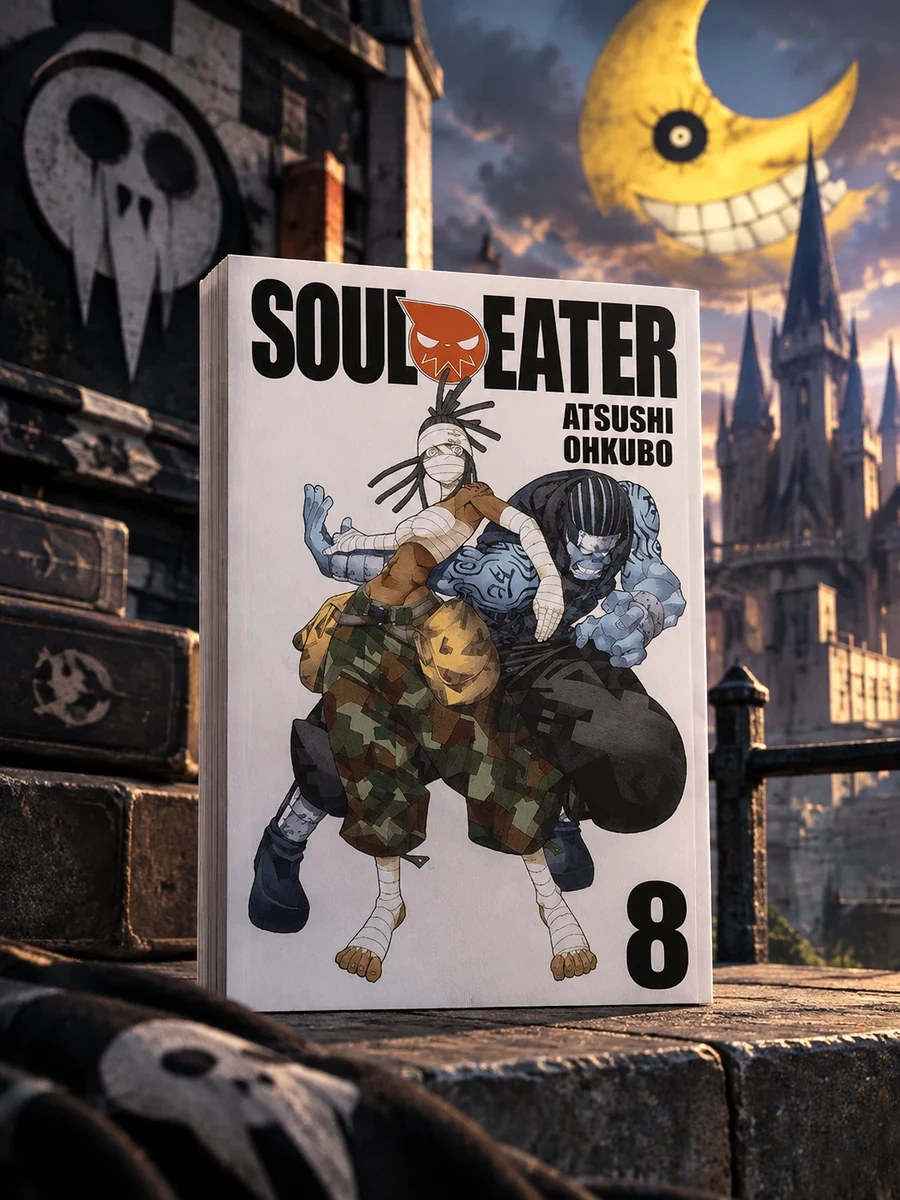
8. Soul Eater, Vol. 8 — Atsushi Ohkubo
The tension between the DWMA and its enemies escalates. Soul Eater, Vol. 8 explores the concept of madness as a physical force, blending body horror with psychological thriller elements.
9. Soul Eater, Vol. 9 — Atsushi Ohkubo
The story moves toward its climax. Soul Eater, Vol. 9 tests the relationships between the characters, making the stakes for the entire DWMA community clear. This volume is a must-read for understanding the emotional core of the series.
10. Soul Eater, Vol. 11 — Atsushi Ohkubo
Note: Volume 10 was skipped in some print runs or combined in digital formats, but the narrative flow continues seamlessly here. Soul Eater, Vol. 11 sees the action intensify as the final arc begins.
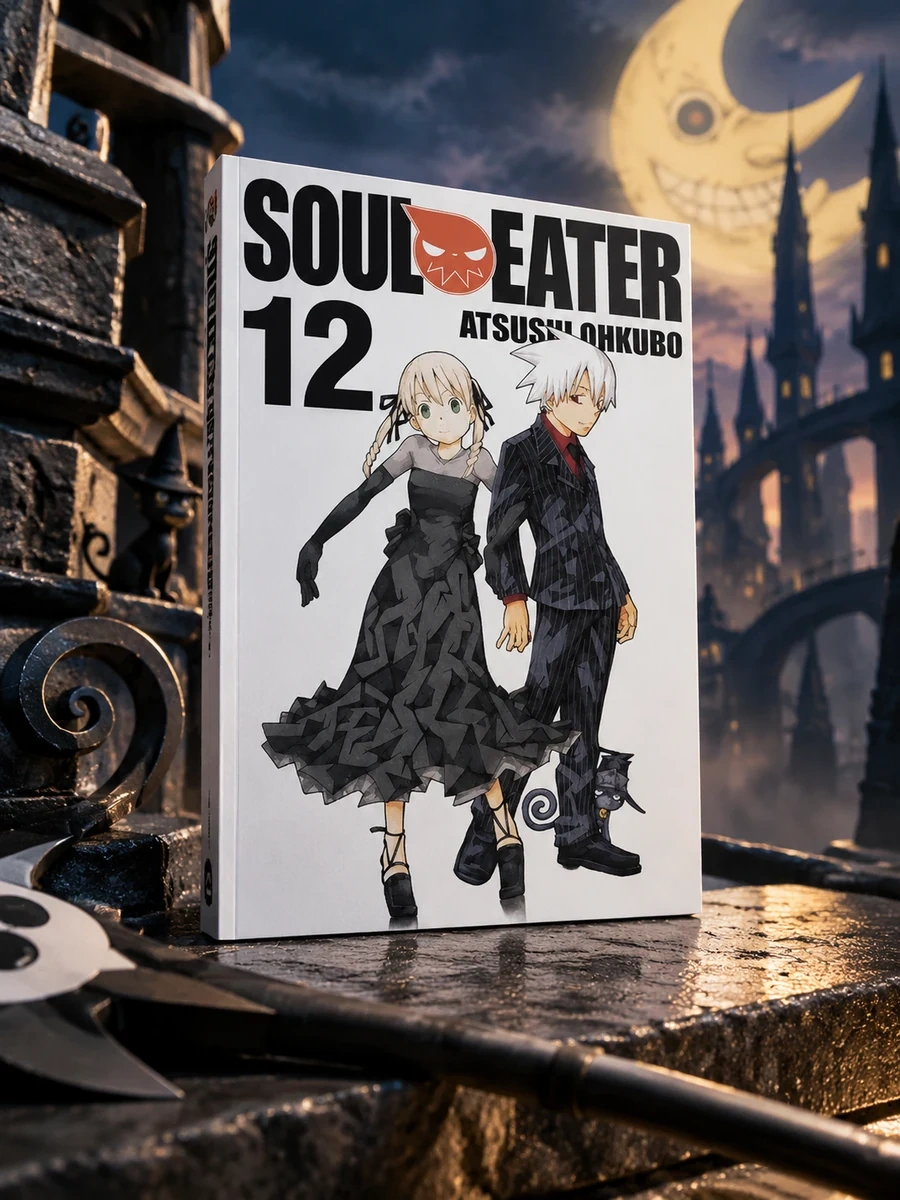
11. Soul Eater, Vol. 12 — Atsushi Ohkubo
The confrontation with the Kishin Egg reaches its peak. Soul Eater, Vol. 12 features an art style shift that reflects the chaos and intensity of the battle, with dynamic layouts that pull the reader into the action.
12. Soul Eater, Vol. 13 — Atsushi Ohkubo
The conclusion of the main series. Soul Eater, Vol. 13: Volume 13 wraps up the primary storylines while leaving room for the spin-offs to explore the aftermath and side characters.
Expanding the Universe: Spin-Offs and Side Stories
Once you have completed the main run, the Soul Eater reading order opens up. The spin-offs offer a different tone, often lighter but still rooted in the same universe.
13. Soul Eater Not! — Atsushi Ohkubo
Soul Eater Not! is a four-volume spin-off that follows three first-year students: Meme Tatsumaki, Kim Diehl, and Miyako Inaba. It is a comedic slice-of-life series that contrasts sharply with the main story’s darkness. It is perfect for readers who want to see the characters in a more lighthearted setting.
14. Soul Eater: Comic Anthology — Various
For those who want more content, various anthologies feature short stories by Ohkubo and other artists. These are great for quick reads and exploring alternate interpretations of the characters.
How to Choose Your Next Read
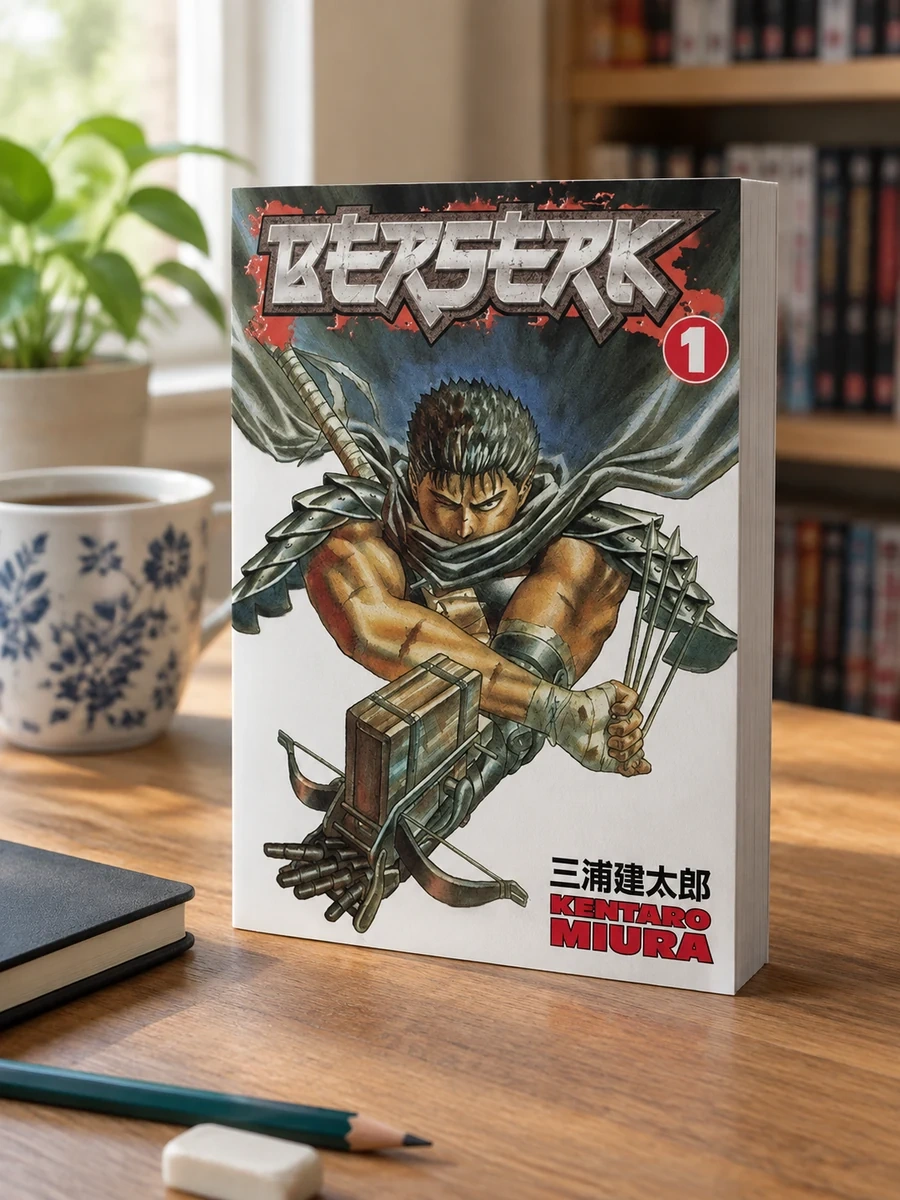
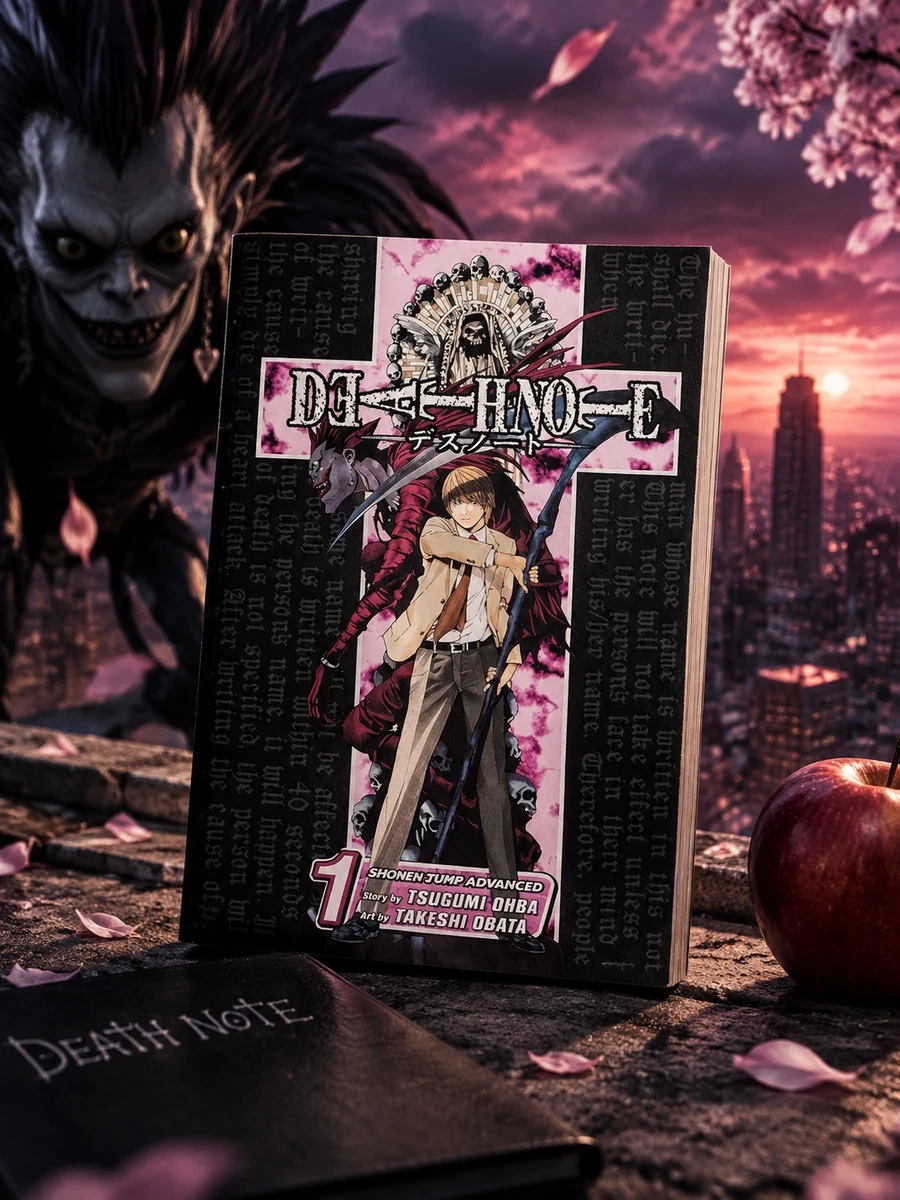
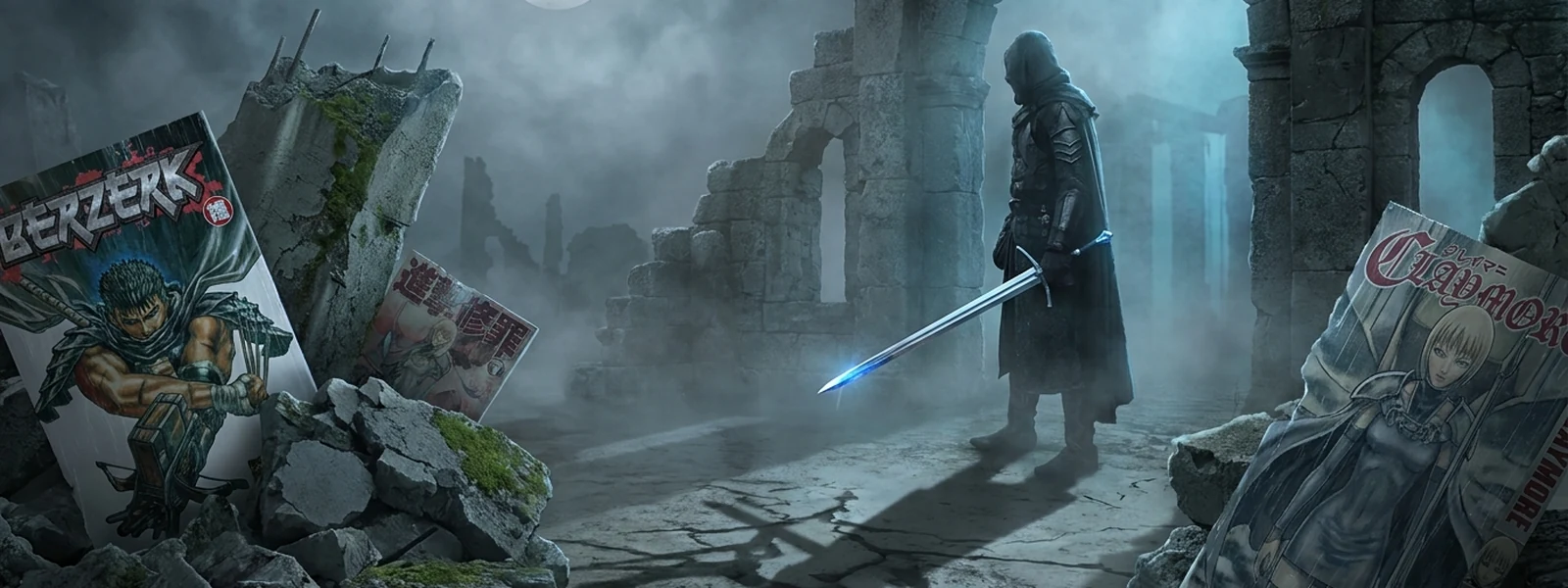
If you enjoy the gothic horror-comedy blend of Soul Eater, consider exploring other series with similar themes. For readers who appreciate the dark fantasy elements, Berserk Volume 1 offers a deeper dive into medieval horror and tragedy. For those who like the psychological thriller aspects, Death Note, Vol. 1: Boredom provides a cat-and-mouse game with supernatural undertones.
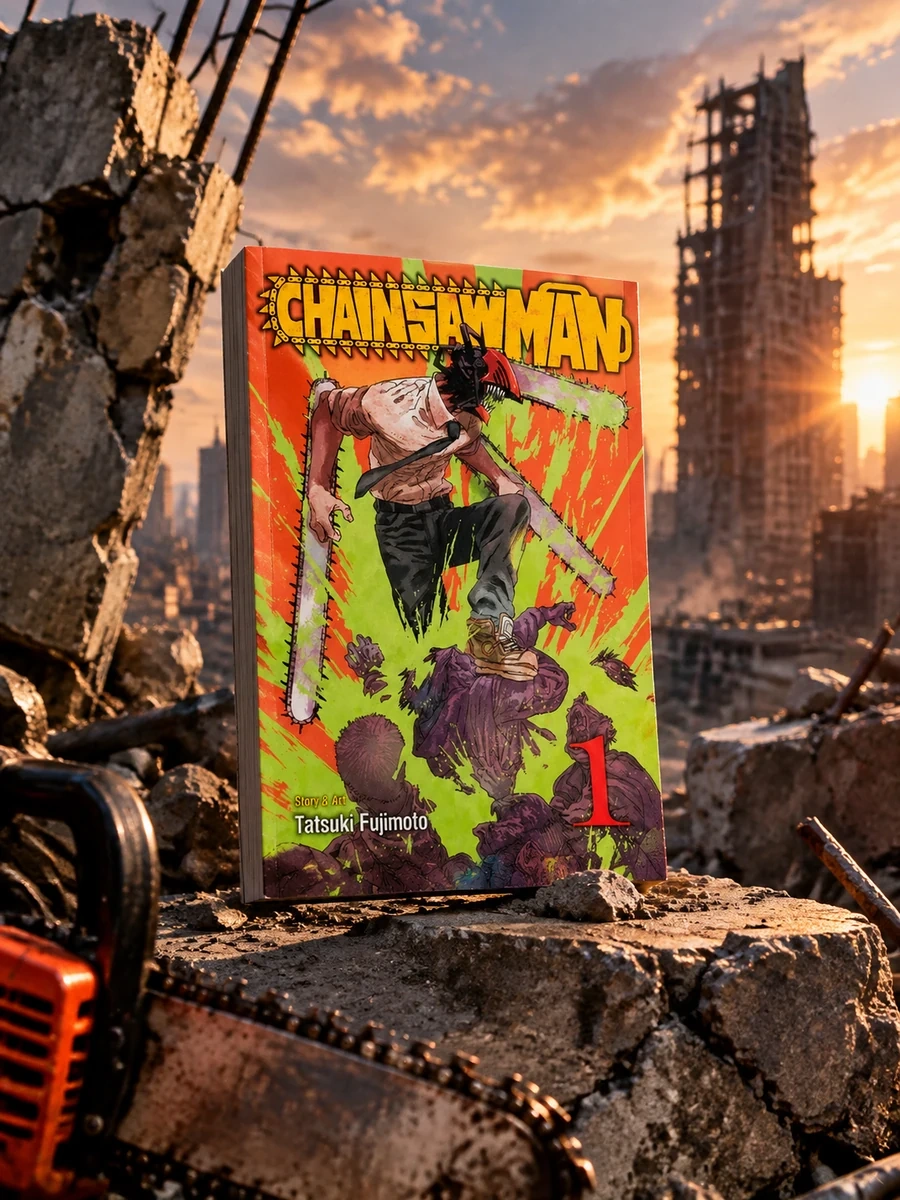
If you are looking for more action-packed dark fantasy, Chainsaw Man, Vol. 1 by Tatsuki Fujimoto delivers a modern take on horror-comedy with intense action. For a more traditional shonen structure with deep lore, Fullmetal Alchemist, Volume 1 is a classic choice.
Start with Soul Eater, Vol. 1 and let the madness unfold. The series rewards patience and offers a unique blend of style and substance that stands out in the manga landscape.