Todd McFarlane’s flagship series recently crossed the 350-issue mark, cementing its place in the Guinness World Records as the longest-running creator-owned superhero comic of all time. When McFarlane broke away to help found Image Comics in 1992, he changed the publishing industry forever. For long-time fans, that longevity is a monumental achievement. For new readers looking for a reading order, it can feel like a logistical nightmare. When a mythology has spent three decades building a massive war between Heaven and Hell across multiple dimensions, timelines, and spin-off titles, the sheer volume of paper can keep curious readers away.
You do not need to start at issue number one to understand what makes Al Simmons such a compelling anti-hero. While the very first printings periodically cycle out of stock as new fans rush to grab them, McFarlane has intentionally designed modern jumping-on points, distinct collection formats, and standalone titles that let you bypass the heavy continuity.
The secret to reading this franchise today is understanding that the universe is modular. You can step into the street-level grit of modern New York, travel back to the grim medieval era, or tackle the massive omnibus collections that map out the core story. Here is our guide to the essential formats and the best entryways into the darkness.
The Modern Universe Jumping-On Points
Following the milestone 300th issue, the overarching narrative experienced a massive paradigm shift. Al Simmons essentially tore the cosmic order to shreds, leaving a massive power vacuum in his wake. This era was structured specifically to welcome a new generation of readers who want current, ongoing action.
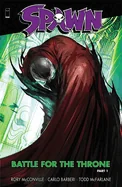
1. Spawn: Battle for the Throne Part 1 — Rory McConville
If you want the most immediate, action-heavy entry into the current ongoing narrative, this is where you start. Following the cosmic fallout of the recent milestone issues, the throne of Hell sits empty. Nature abhors a vacuum, and the underworld is no different. McConville scripts a chaotic power struggle as various demonic factions and classic rogues attempt to claim the crown, while Al Simmons is caught in the middle. Available for under $20, this paperback provides all the necessary context clues to catch you up on the current state of play. It feels relentless, cinematic, and perfectly captures the high-stakes action that defines the modern era of the character.
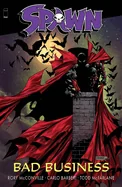
2. Spawn Bad Business — Rory McConville
While the fight for the throne handles the cosmic scale, this volume brings the conflict crashing back down to the dirty streets of New York City. The charm of the early 90s issues was always the balance between biblical wars and gritty, alleyway vigilante justice. This book leans heavily into the latter. Al Simmons is forced to deal with the street-level consequences of his actions, facing off against mobsters, corrupted officials, and localized demonic threats. It is an excellent read for fans who prefer their anti-heroes operating in the shadows of the city rather than the flaming gates of the underworld.
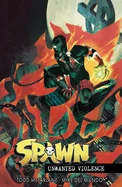
3. Spawn Unwanted Violence — Todd McFarlane
Sometimes you just want the original creator's unadulterated vision. Written by McFarlane himself, this compact, self-contained story requires absolutely zero prior knowledge of the ongoing monthly book. It strips away the complex continuity of the expanded universe to focus on a tightly paced, brutal mystery. The narrative centers on a sudden spike of extreme, unexplained violence plaguing the city, forcing our anti-hero to investigate whether the cause is supernatural or tragically human. Coming in at a highly accessible price point, it is an ideal afternoon read that distills the core appeal of the franchise into a single, punchy volume.
Deciphering the Core Collections
If you want to read the classic, ongoing run in bulk, you will quickly notice three different naming conventions on the shelves: Compendiums, Origins, and Vault Editions. Understanding how these formats work is half the battle for a new collector.
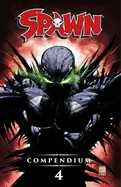
4. Spawn Compendium Volume 4 Color Edition — Todd McFarlane
The Compendium line is the most cost-effective way to read the series in bulk. Each massive, telephone-book-sized paperback collects roughly fifty consecutive issues for around $60. While the earliest volumes sell out fast, jumping into the middle of the run with Volume 4 is surprisingly viable. This collection covers issues #151 through #200. This specific era is fascinating because it marks a massive shift in the status quo, pushing Al Simmons to his absolute limits and introducing apocalyptic stakes that redefine the artwork and the pacing of the comic. If you want to binge-read the era where the series evolved from a 90s staple into a modern epic, the compendium format is unbeatable.
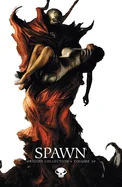
5. Spawn Origins Volume 30 — David Hine
The Origins line is the traditional trade paperback format. Each volume collects roughly six issues, making them lighter, easier to carry, and more focused on specific story arcs. Volume 30 highlights the highly acclaimed writing run by David Hine. Hine brought a deeply unsettling, psychological horror approach to the title that stands in stark contrast to the standard superhero action of previous years. If you prefer your comic collections broken down into digestible, distinct narrative arcs for under $20, the Origins trades are the way to go.
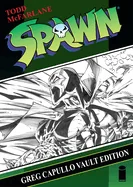
6. Spawn Vault Edition Vol. 3 — Todd McFarlane
The Vault Editions are not standard reading material; they are premium collector's items. These massive, oversized hardcovers reproduce the original black-and-white art boards exactly as they were drawn, complete with blue pencil marks, editorial notes, and white-out corrections. Volume 3 covers issues #15 through #21, highlighting Greg Capullo's legendary tenure as the lead penciler. It is a significant financial investment, but for aspiring comic artists, illustrators, and hardcore collectors, studying the raw, uncolored line work of a generational talent is an unparalleled experience.
Expanding the Mythology with Essential Spinoffs
You cannot discuss this universe without acknowledging the characters who broke out of the main title to carry their own books. The extended franchise provides distinct flavors and genres that complement the main series perfectly.
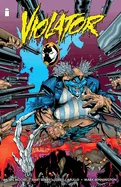
7. Violator (1994) — Alan Moore
The Clown is easily the most iconic, grotesque villain in the franchise's history. Back in 1994, comic book legend Alan Moore stepped in to pen this distinct spin-off focusing entirely on the demonic antagonist. Moore's script leans into the chaotic, darkly comedic, and utterly violent nature of the character. It provides essential backstory for the Phlebiac Brothers and the political hierarchy of Hell. Because it is an older, standalone classic, you can usually pick it up for a very affordable price. It remains mandatory reading for anyone wanting to understand the villain's motivations.
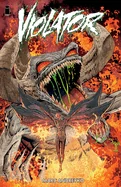
8. Violator (2024) — Marc Andreyko
Three decades later, the Clown gets a modern update. Andreyko brings the character into the current continuity, exploring how he operates in the power vacuum left in the wake of recent events. This volume is thicker and carries a slightly higher price point, but it delivers a terrifying, updated look at a classic rogue. Reading the 1994 original and following it directly with this 2024 release creates a fascinating double-feature that highlights how comic book storytelling and artwork have evolved over thirty years.
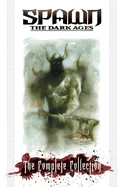
9. Spawn the Dark Ages: The Complete Collection — Brian Holguin
If you love dark fantasy, stop worrying about Al Simmons and travel back to the 12th century. Lord Covenant is a knight killed during the Crusades who returns as a Hellspawn in a brutal, plague-ridden medieval landscape. This complete collection gathers the entire run into one heavy volume for roughly $50. It reads like a grimdark fantasy novel, entirely divorced from the superhero tropes of the main book. You do not need to read a single issue of the main continuity to understand and enjoy this historical epic.
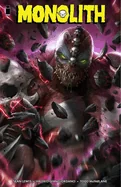
10. Monolith — Sean Lewis
The mythology extends far beyond Earth. This budget-friendly standalone volume explores a different kind of protagonist: a massive, hulking powerhouse operating in a vastly different setting. Lewis crafts a story that expands the lore of what these cursed warriors can be, leaning into heavy sci-fi and cosmic horror elements. It is a fast, brutal read that proves the core concept works even when you strip away the familiar alleys and capes.
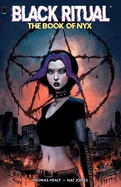
11. Black Ritual the Book of Nyx — Thomas Healy
The mystical and magical corners of the universe often get overshadowed by the heavy weaponry and demonic brawls. Nyx is a pivotal supporting character who finally steps into the spotlight in this dedicated volume. The book focuses heavily on witchcraft, spellcasting, and the delicate balance of magic that operates parallel to the war between heaven and hell. It is an excellent read for those who want a change of pace from the standard heavy-metal action, offering a more atmospheric and supernatural tone.
An Alternate Universe
Sometimes the best way to jump into a massive property is to read an alternate take that has a clear beginning, middle, and end without worrying about decades of western comic continuity.
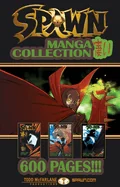
12. Spawn Manga: Shadows of Spawn — Juzo Tokoro
In the late 1990s and early 2000s, the franchise was so globally dominant that it received an official Japanese manga adaptation. Tokoro tells the story of Ken Kurosawa, a street thug who meets a tragic end and accepts the classic demonic bargain. Operating out of Japan, Ken's journey mirrors the tragedy of Al Simmons but filters it through distinct manga pacing, tropes, and kinetic action sequences. The entire series runs for a brisk three volumes, making this first installment a risk-free way to experience the mythology through a completely different cultural lens.
How to Choose Your Starting Point
Finding your footing in a universe with hundreds of issues does not have to be an exercise in frustration. If you prefer the monthly grind and want to catch up to the current conversations happening in comic shops, start with the modern era paperbacks like the throne room battles or the street-level grit. You will quickly pick up on the context clues and character dynamics.
If you are determined to read the long, historic arcs, keep an eye out for the massive compendiums, treating them as seasonal binges rather than a weekend read. And if you simply want a great story without the homework, the historical and villain-focused spinoffs offer incredible value. The beauty of this franchise is that the cape is large enough to cover multiple genres, from crime to fantasy to horror. Pick the style that appeals to you most, and let the artwork guide you through the rest.