When you ask about The Far Side comics reading order, you are asking a question that has no single correct answer. Unlike manga or graphic novels with continuous storylines, Gary Larson’s work is a collection of standalone, single-panel cartoons. There is no plot to follow, no character development to track, and no chronological necessity. You could start on page one or the last page, and the joke would land just as hard. However, the sheer volume of *The Far Side* material—spanning over two decades of syndication and numerous book collections—can feel overwhelming. New readers often wonder if they are missing context by jumping into a random volume, or if there is a "definitive" edition that captures the essence of Larson's genius.
The truth is that the humor in *The Far Side* relies on subversion, surrealism, and sharp observation, none of which require prior knowledge. As an editor who has spent years cataloging these works, I have seen fans get stuck trying to find a "start." This guide breaks down the different ways to experience Larson’s work. We will look at the complete anthologies for the purist, the curated collections for the casual reader, and the thematic compilations for those who want to focus on specific types of humor. Understanding the structure of these books helps you choose the right entry point for your personal taste.
The Definitive Experience: The Complete Collection
If you want to understand the full scope of Gary Larson’s career, there is only one place to begin. The original run of *The Far Side* appeared in newspapers from 1980 to 1995. During this time, Larson produced hundreds of unique panels that were later compiled into various volumes. For those who want the ultimate experience, the complete collections are the gold standard.
1. The Complete Far Side — Gary Larson
This is the holy grail for collectors and new readers alike. It gathers every single panel from the original syndicated run into one massive volume (or set, depending on the edition). While the price point is significant, this collection offers the most comprehensive view of Larson’s evolution as a cartoonist. You get to see the early, rougher edges of his style alongside the polished, iconic panels that defined 1980s humor. It is the only way to experience the work exactly as it was intended: as a complete body of art. For serious fans, The Complete Far Side is the essential purchase.
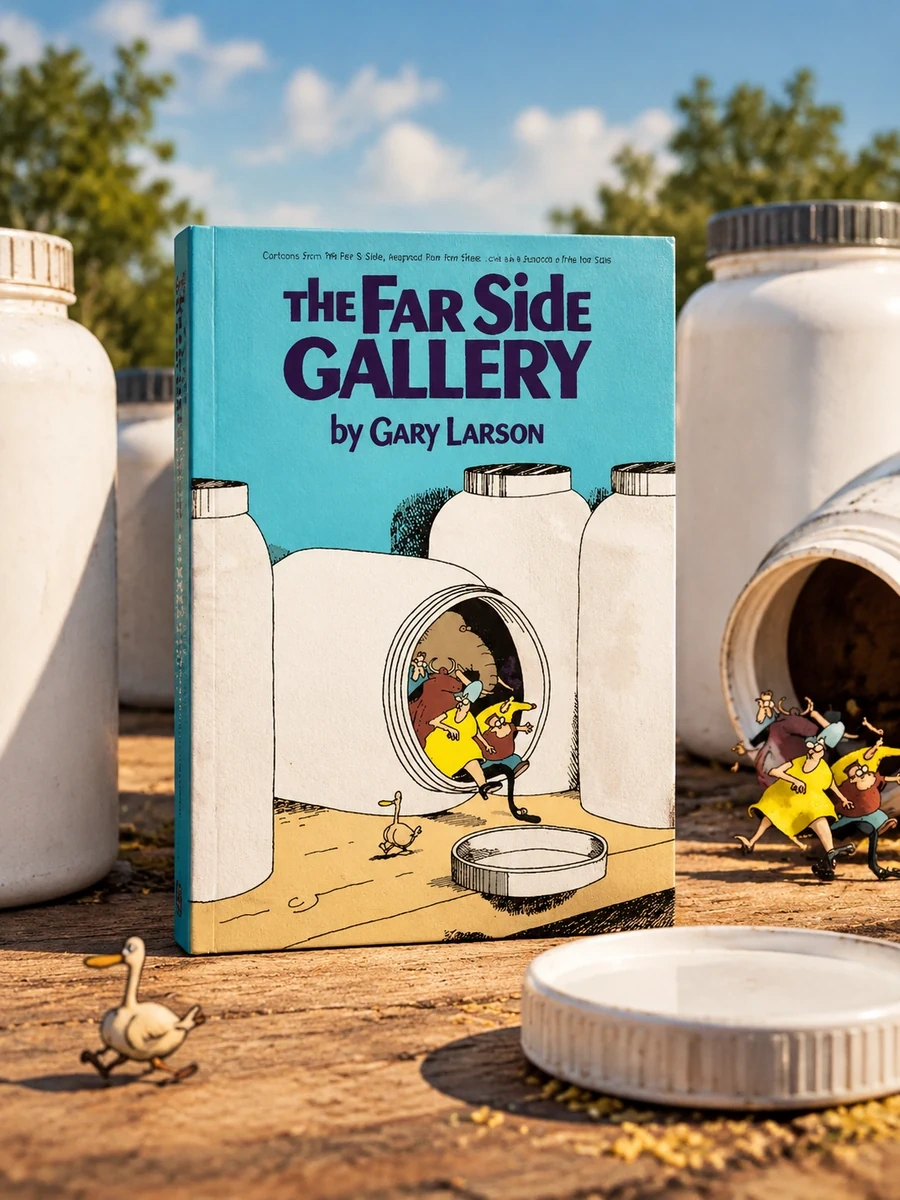
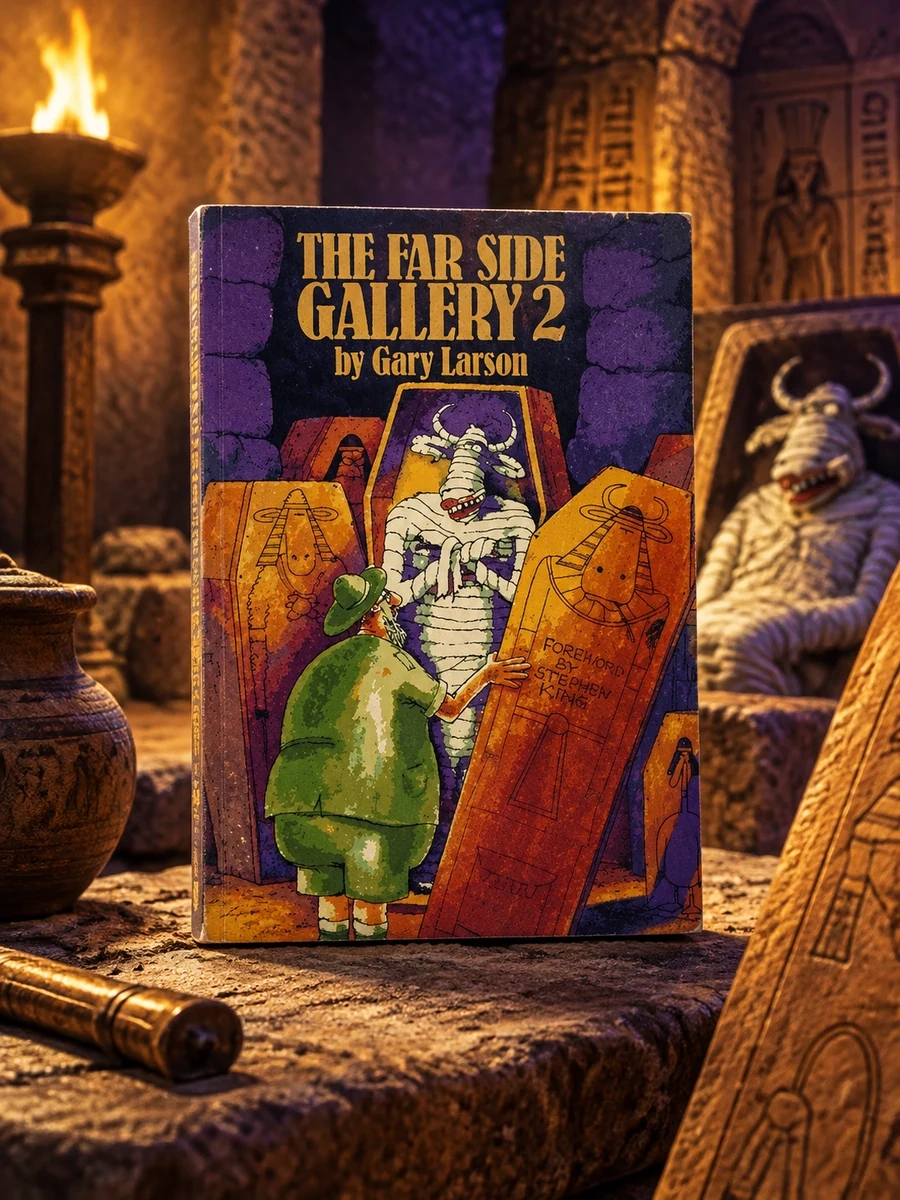
For those who find the single massive volume intimidating or expensive, Larson also released a series of individual "Gallery" books. These were published during and shortly after the strip's run. If you prefer smaller, more digestible chunks, starting with The Far Side(r) Gallery is a solid choice. These volumes maintain the single-panel format but allow you to sample Larson’s work without committing to the entire archive at once. The gallery series includes multiple volumes, such as The Far Side Gallery 2, which continues the tradition of high-quality compilation.
The Curated Best-Of: Where to Start for Casual Readers
Not everyone wants to read 500+ pages of cartoons in one sitting. If you are looking for a more accessible entry point, or if you want to gift someone *The Far Side* for the first time, curated collections are the way to go. These books pull the most popular, most shared, and most culturally resonant panels from the vast archive.
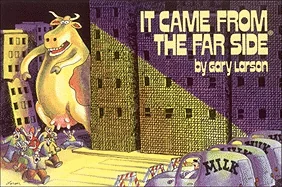
2. It Came from the Far Side(r) (Original) — Gary Larson
This collection is often cited as one of the best entry points for new fans. It features a mix of classic favorites that defined the strip’s early years. The humor here is quintessential *Far Side*: animals with human anxieties, scientists in absurd situations, and devils doing mundane paperwork. It serves as a perfect "greatest hits" album, giving you a broad taste of Larson’s range without the commitment of the complete archive. It Came from the Far Side(r) (Original) is widely recommended for its balanced selection.
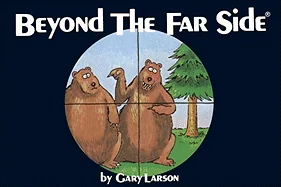
3. Beyond the Far Side(r) (Original) — Gary Larson
Following up on the initial success, Beyond the Far Side(r) captures the middle period of the strip’s run. This era saw Larson refining his visual style and pushing the surrealism further. The panels in this collection are often darker and more philosophical than the early work, reflecting Larson’s growing interest in existential humor. It is a great follow-up to It Came from the Far Side if you want to see how his comedic voice matured over time.
Thematic Collections: Finding Your Specific Humor
One of the strengths of *The Far Side* is its variety. Larson wrote about everything from dinosaurs and outer space to domestic pets and religious figures. If you know what kind of humor appeals to you, you can skip the general collections and go straight for the thematic books. These are excellent for readers who want a specific flavor of comedy.
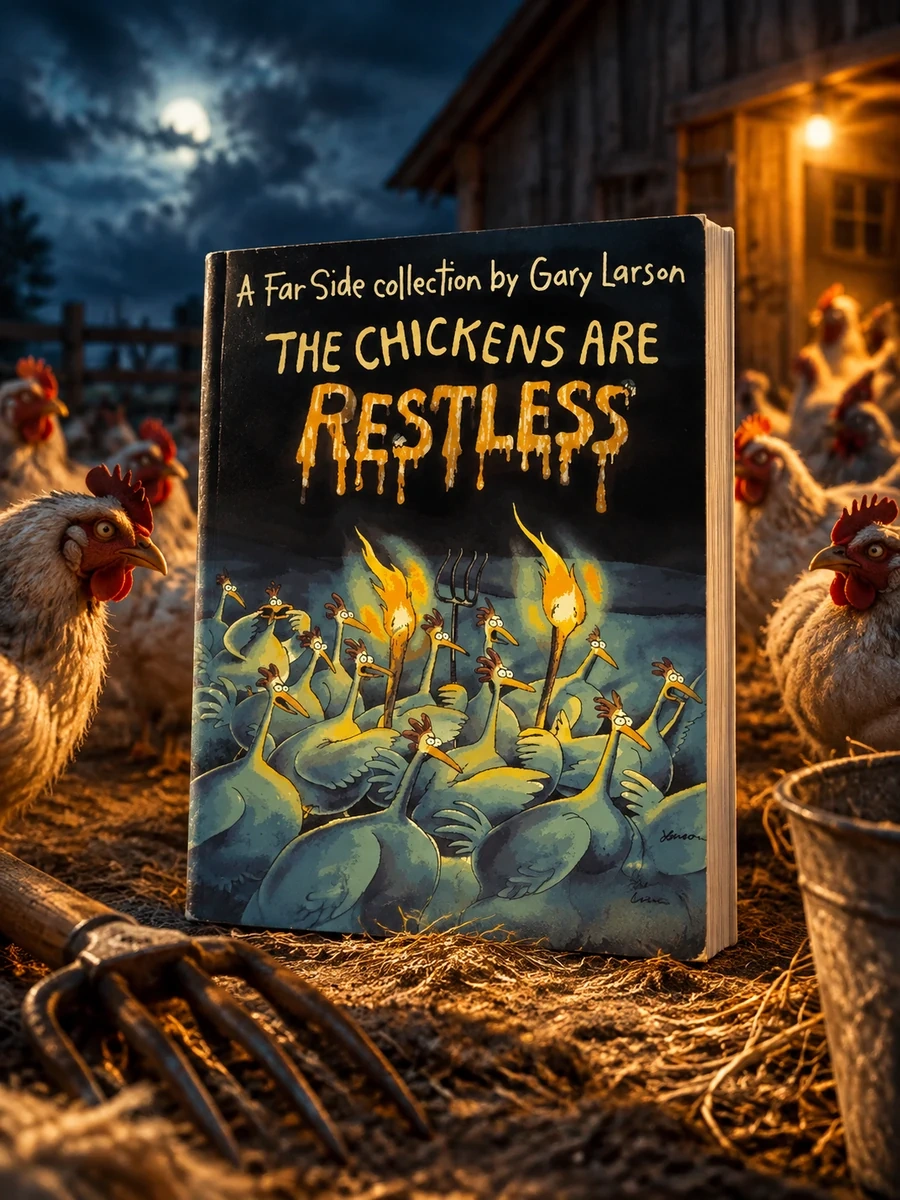
4. The Chickens Are Restless (Original) — Gary Larson
For fans of animal humor, The Chickens Are Restless is a standout. While *The Far Side* always featured animals, this collection leans heavily into the perspective of pets and livestock. The panels here are particularly strong in their ability to anthropomorphize animals without losing their animalistic nature. If you love the idea of a dog worrying about its owner’s life choices or a cat plotting world domination, this book is your starting point.
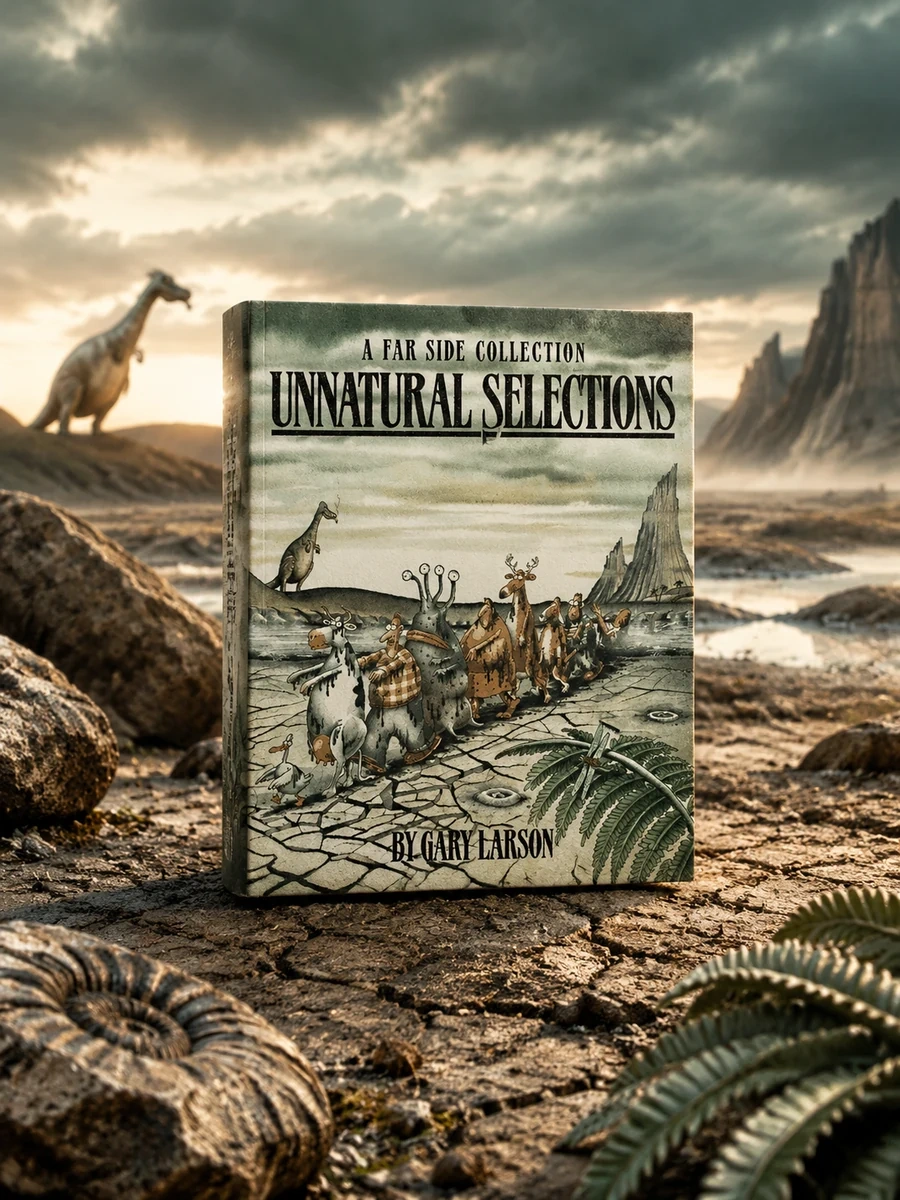
5. Unnatural Selections (Original) — Gary Larson
This collection focuses on the intersection of science, nature, and humor. Larson was fascinated by evolution and biology, and Unnatural Selections showcases his ability to make scientific concepts hilarious. The panels often feature scientists in absurd lab settings or animals reacting to their own evolutionary traits. It is a smart, witty collection that appeals to readers who enjoy intellectual humor.
Specialized and Later Works
After the original strip ended, Larson continued to publish books, though they are less "reading order" dependent and more thematic. Wiener Dog Art is a unique departure, focusing entirely on dachshunds in various artistic styles. It is a lighthearted, visual treat that stands apart from the narrative-style humor of the main collections.
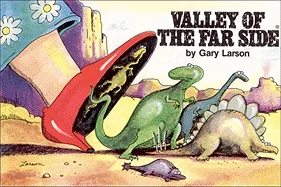
Additionally, The Far Side(r) Observer offers another curated selection of panels, often highlighting the more observational and less surreal side of Larson’s work. It is a gentle introduction for readers who find the darker humor of the earlier collections too intense. For those who prefer even more specialized content, Valley of the Far Side(r) (Original) provides another layer of curated humor, focusing on specific regional and situational jokes that define Larson's unique perspective.
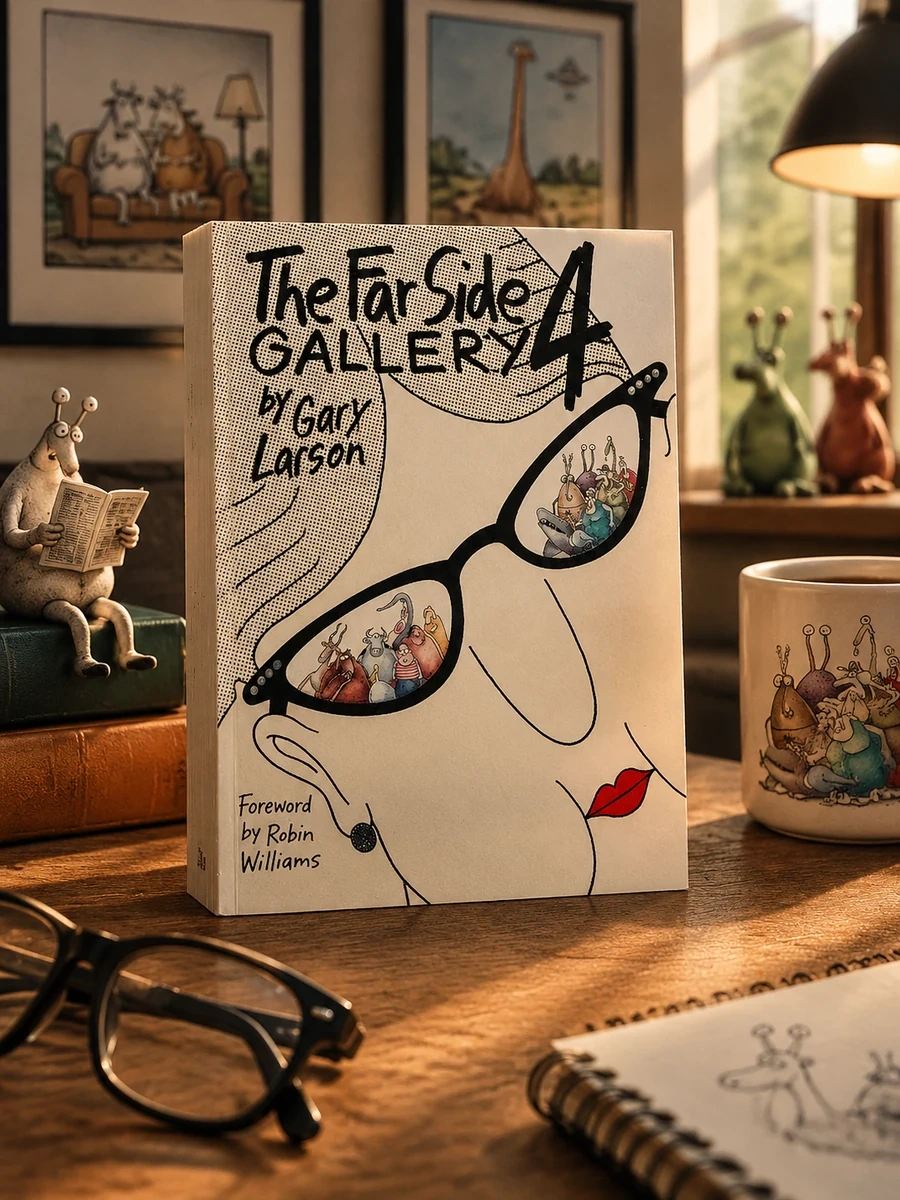
6. The Far Side(r) Gallery 4 — Gary Larson
If you enjoy the gallery format, The Far Side(r) Gallery 4 is another excellent addition to your shelf. These volumes are consistent in quality and provide a steady stream of Larson's best work. They are particularly useful for readers who want to build a physical library of the strip without buying the complete set.
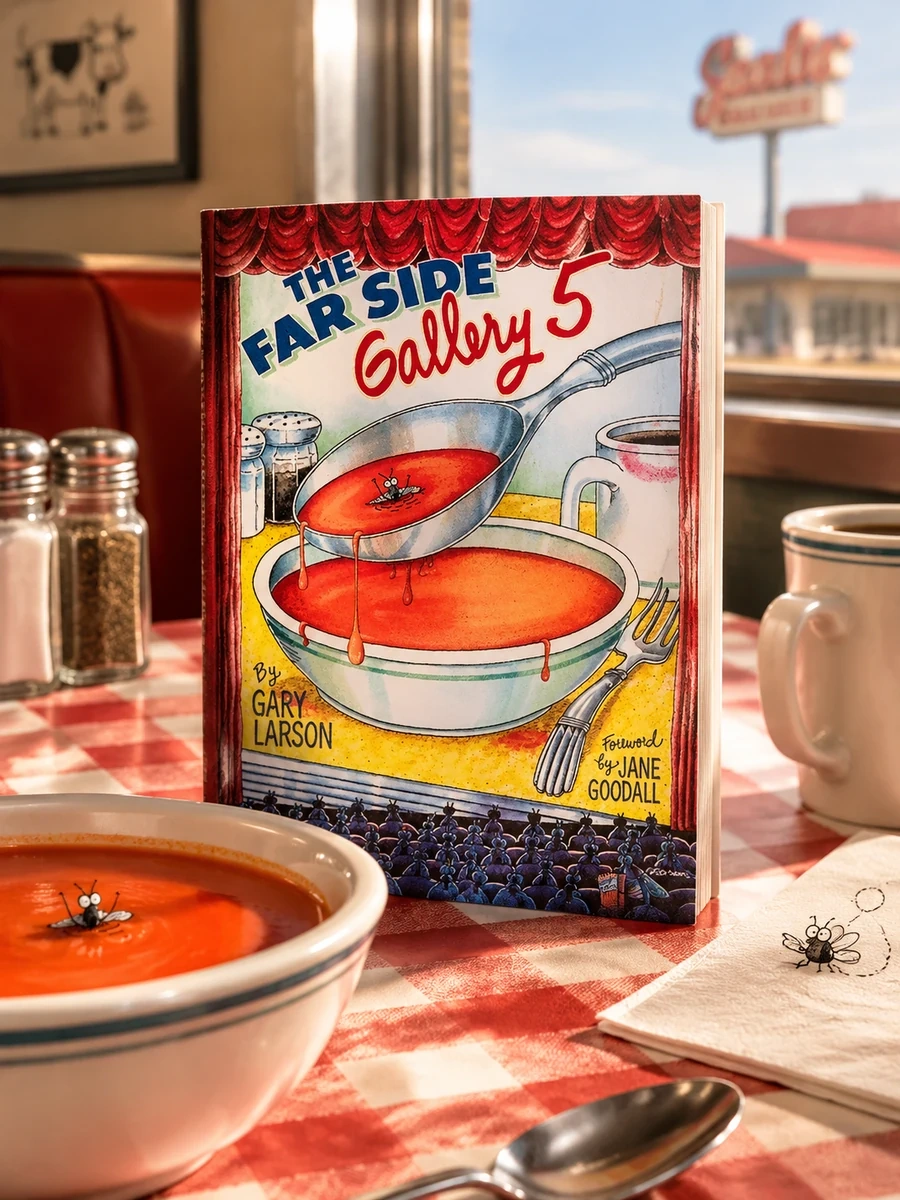
7. The Far Side(r) Gallery 5 — Gary Larson
Continuing the series, The Far Side(r) Gallery 5 offers more of the same high-quality humor. These gallery books are perfect for browsing in short bursts, making them ideal for coffee table displays or quick reads during a break.
How to Choose Your Starting Point
So, where do you start? The answer depends on your goal.
- For the Purist: Start with The Complete Far Side. It is the only way to experience the full breadth of Larson’s career. If the price is prohibitive, look for the slipcase set or individual gallery volumes.
- For the Casual Reader: Start with It Came from the Far Side(r). It is the most balanced "best of" collection and provides a perfect overview.
- For the Animal Lover: Start with The Chickens Are Restless. It highlights the strip’s strongest asset: its animal characters.
- For the Science Fan: Start with Unnatural Selections. It showcases Larson’s intellectual humor at its peak.
Remember, there is no wrong way to read *The Far Side*. Each panel is a self-contained joke. Pick the book that sounds most appealing to you, and let Gary Larson guide you through his wonderfully weird world. The reading order is entirely up to you, but starting with these curated collections ensures you get the best of the best.