When October rolls around, the horror requests hit our inbox with absolute predictability. Readers want something that lingers, something that creeps under the skin rather than relying on cheap jump scares. While the genre heavyweights always see a spike in demand, the modern psychological horror landscape has a terrifying new standard-bearer: Mokumokuren’s breakout hit. If you are trying to figure out The Summer Hikaru Died manga reading order: where to start, you have found the right guide.
The premise is as brilliant as it is suffocating. In a quiet, rural Japanese town surrounded by dense mountains and the oppressive drone of summer cicadas, a high school boy named Yoshiki realizes a horrifying truth. His lifelong best friend, Hikaru, went missing in the mountains for a week. When Hikaru returned, he looked the same, sounded the same, and possessed the same memories. But Yoshiki knows, with absolute certainty, that the boy standing beside him is dead. The thing wearing Hikaru's face is an otherworldly entity trying desperately to mimic human behavior.
Instead of running, Yoshiki makes a choice born out of unbearable grief: he decides to stay friends with the monster. He would rather have this terrifying imitation than face a world where Hikaru is truly gone. From there, Mokumokuren crafts a masterpiece of codependency, rural folklore, and psychological tension. Below, I map out the complete English release reading order across the core manga volumes and the companion light novels, helping you experience this school-life horror story exactly as intended.
The Main Manga Series: Volumes 1–4
The series begins by establishing the agonizing dynamic between Yoshiki and the entity. These early volumes focus heavily on atmosphere, utilizing masterful pacing to build a sense of dread that isolates the two boys from the rest of the village.
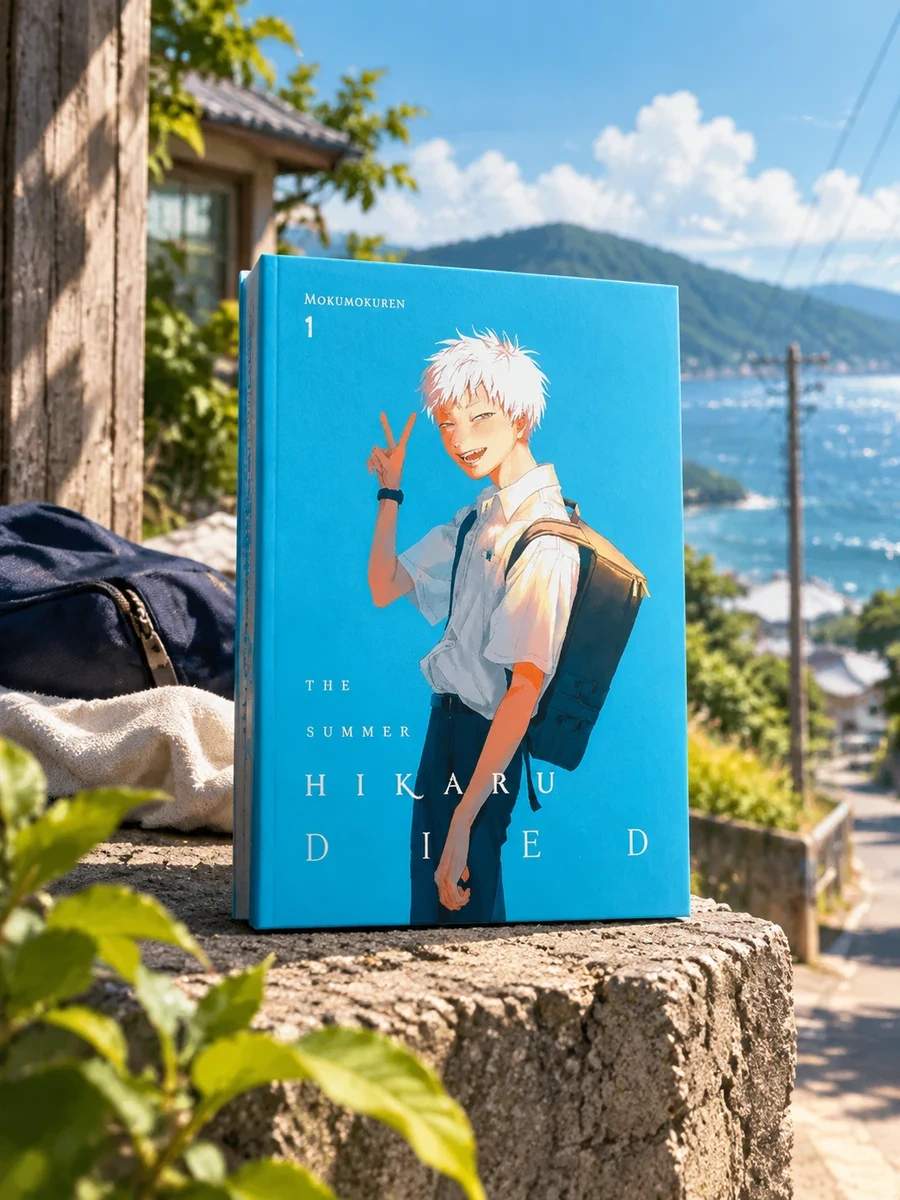
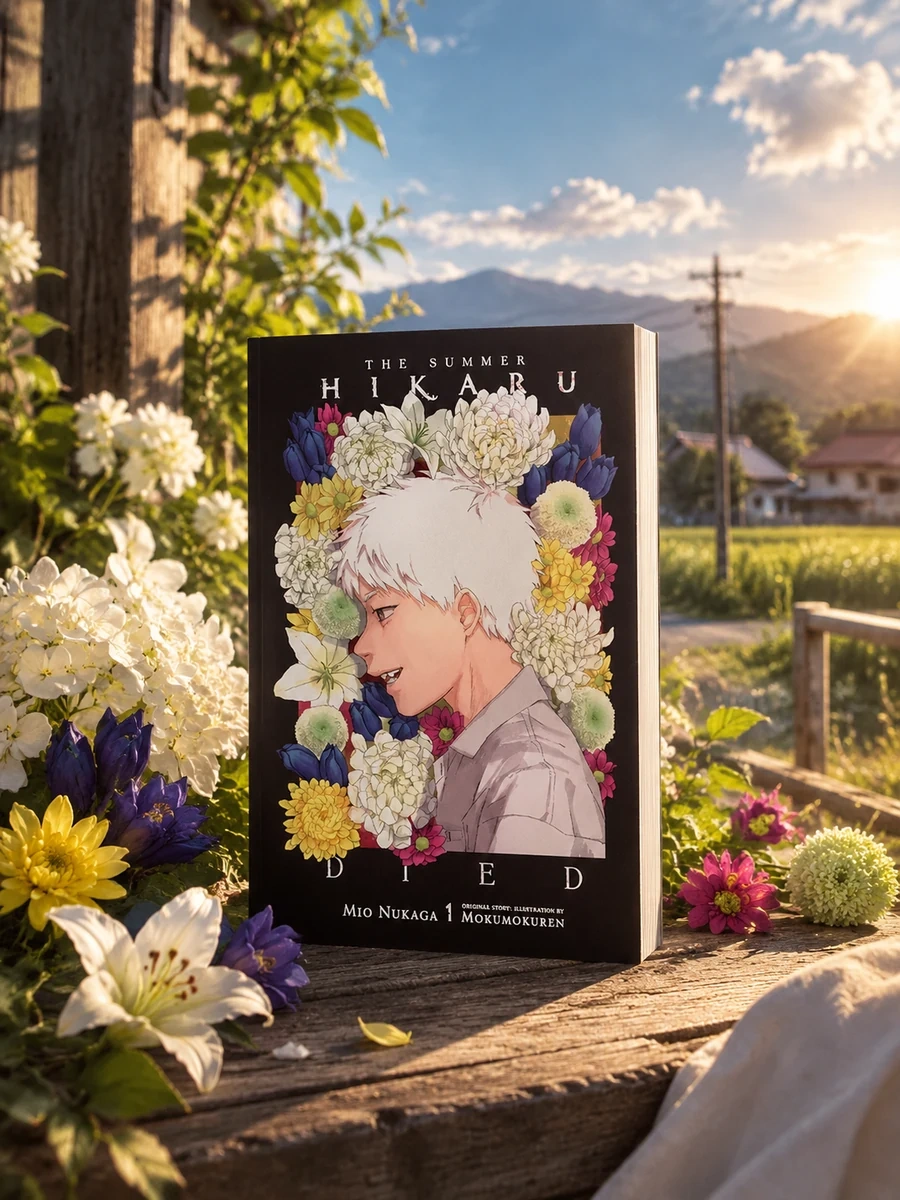
1. The Summer Hikaru Died, Vol. 1 — Mokumokuren
The nightmare starts in The Summer Hikaru Died, Vol. 1. Mokumokuren wastes no time getting to the inciting incident. Within the first chapter, Yoshiki confronts the entity, asking point-blank what it did to his friend. The creature’s response—innocent, confused, and physically distorting in ways the human body should not bend—sets the tone for the entire series. This volume introduces the claustrophobic rural setting, where everyone knows everyone, making Yoshiki's secret incredibly dangerous to keep. The art style is striking, using heavy inks and suffocating panel layouts to reflect Yoshiki's deteriorating mental state. If you are a fan of slow-burn psychological horror available for well under $20, this is a mandatory starting point.
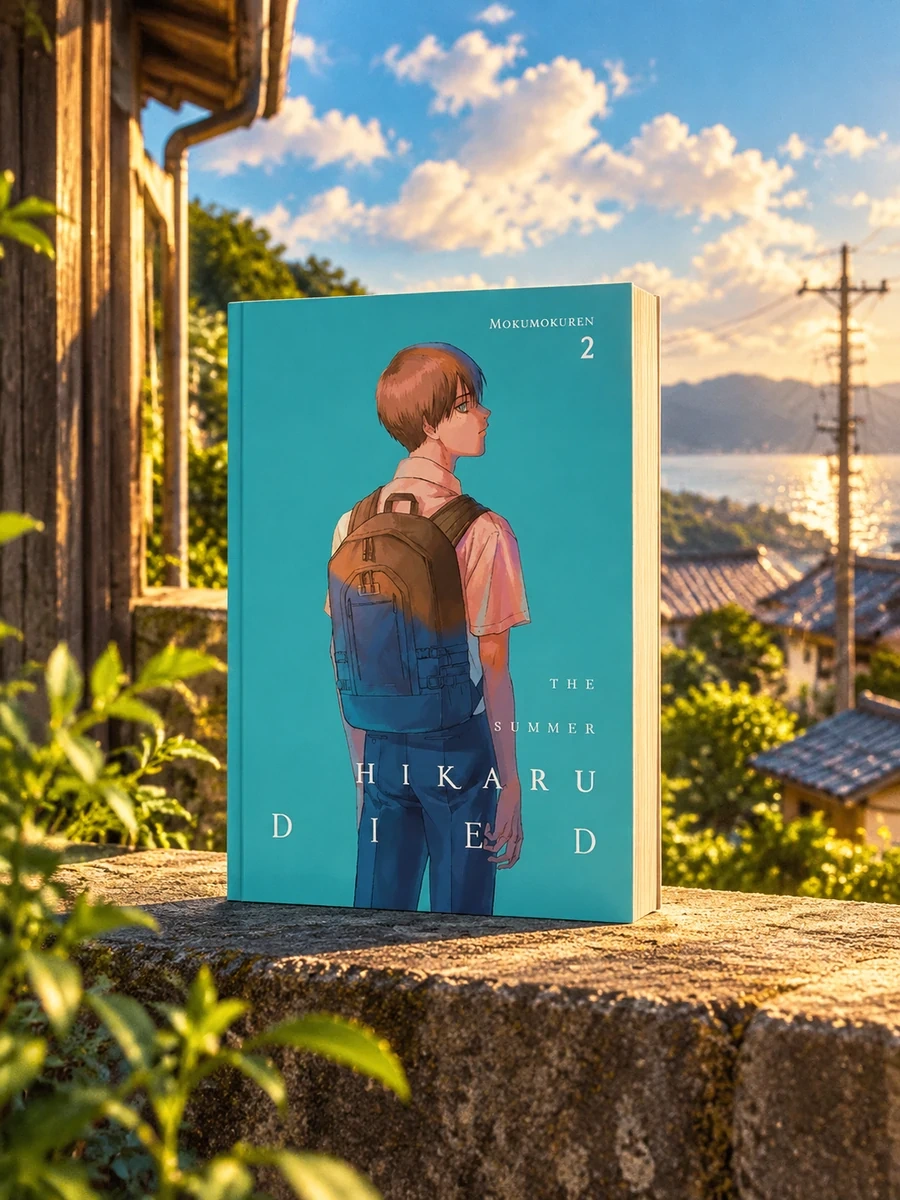
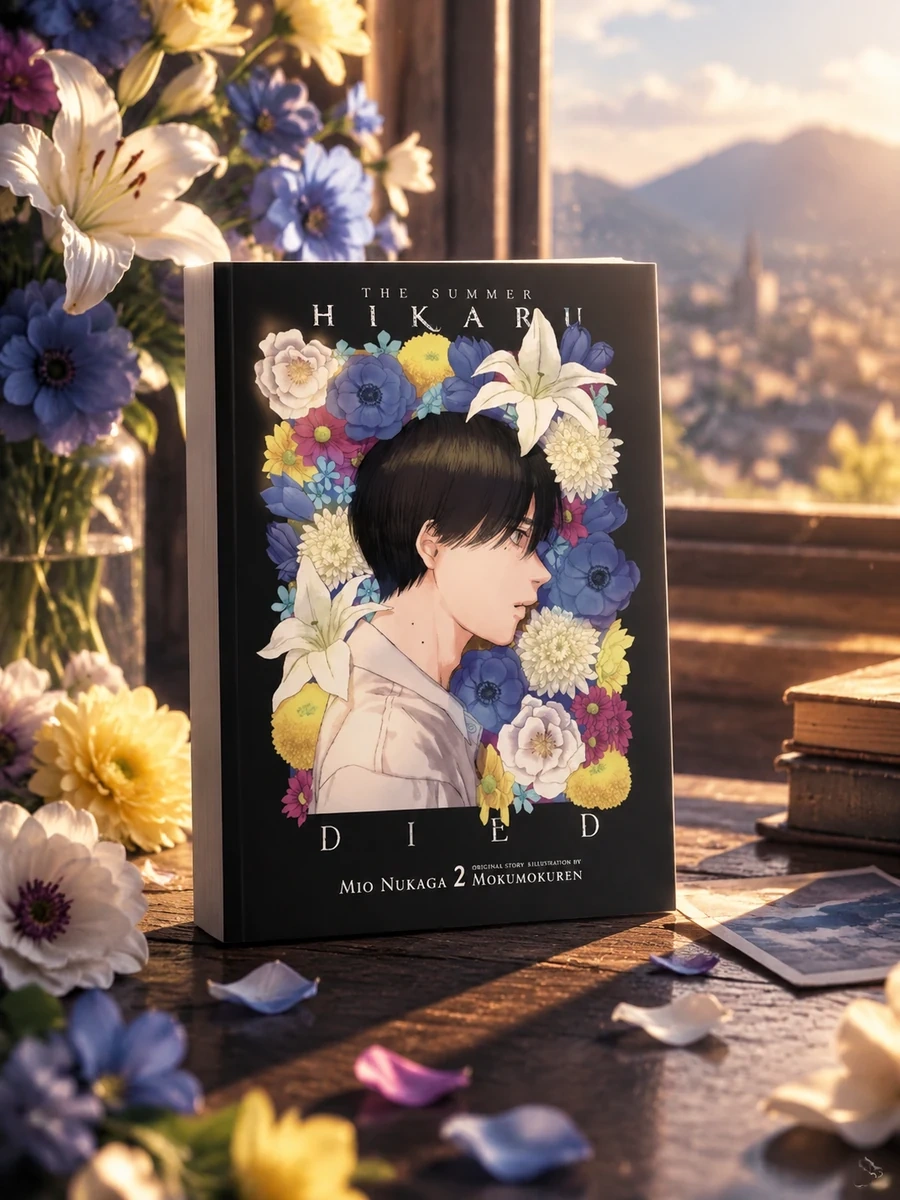
2. The Summer Hikaru Died, Vol. 2 — Mokumokuren
In The Summer Hikaru Died, Vol. 2, the immediate shock of the revelation settles into a deeply unsettling routine. The entity wants nothing more than to perfectly emulate the real Hikaru so Yoshiki will accept it, but its fundamental lack of human empathy causes massive friction. We begin to see the entity's uncanny valley effect in social situations, forcing Yoshiki to constantly cover for it in front of their classmates. Mokumokuren introduces brilliant lettering techniques here, warping the speech bubbles whenever the entity drops its human facade. The volume excels at portraying the terrible exhaustion of living a lie, especially when that lie has sharp teeth.
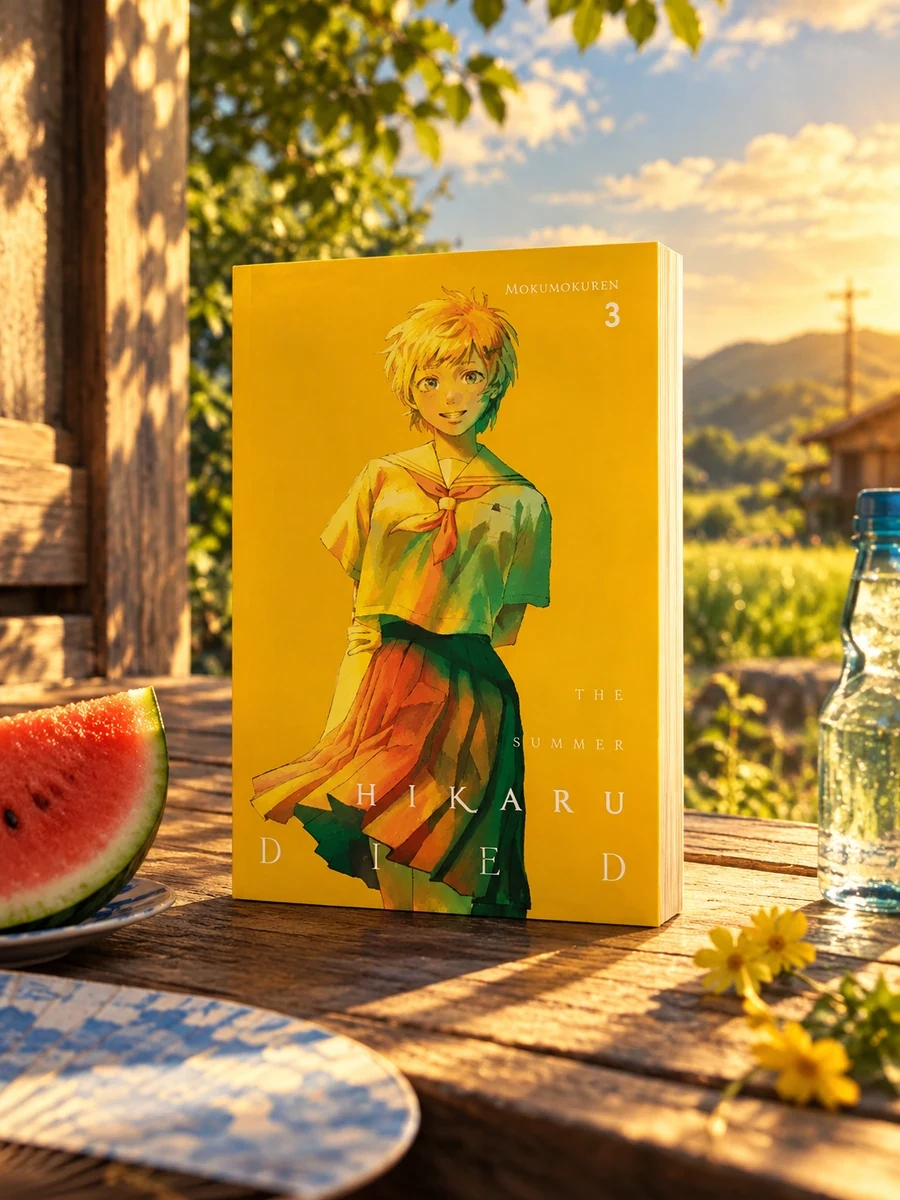
3. The Summer Hikaru Died, Vol. 3 — Mokumokuren
The scope of the horror expands significantly in The Summer Hikaru Died, Vol. 3. Until now, the focus has been tightly locked on the two boys, but Mokumokuren starts pulling back the curtain on the village itself. Strange occurrences begin happening around town, suggesting that the "Hikaru" entity is not the only supernatural presence tied to the mountain. We get hints of local folklore and old rituals that the adults refuse to speak about openly. This volume is perfect for readers who love folk horror elements. It heightens the stakes, proving that Yoshiki's selfish desire to keep his friend's ghost around might end up threatening the entire community.
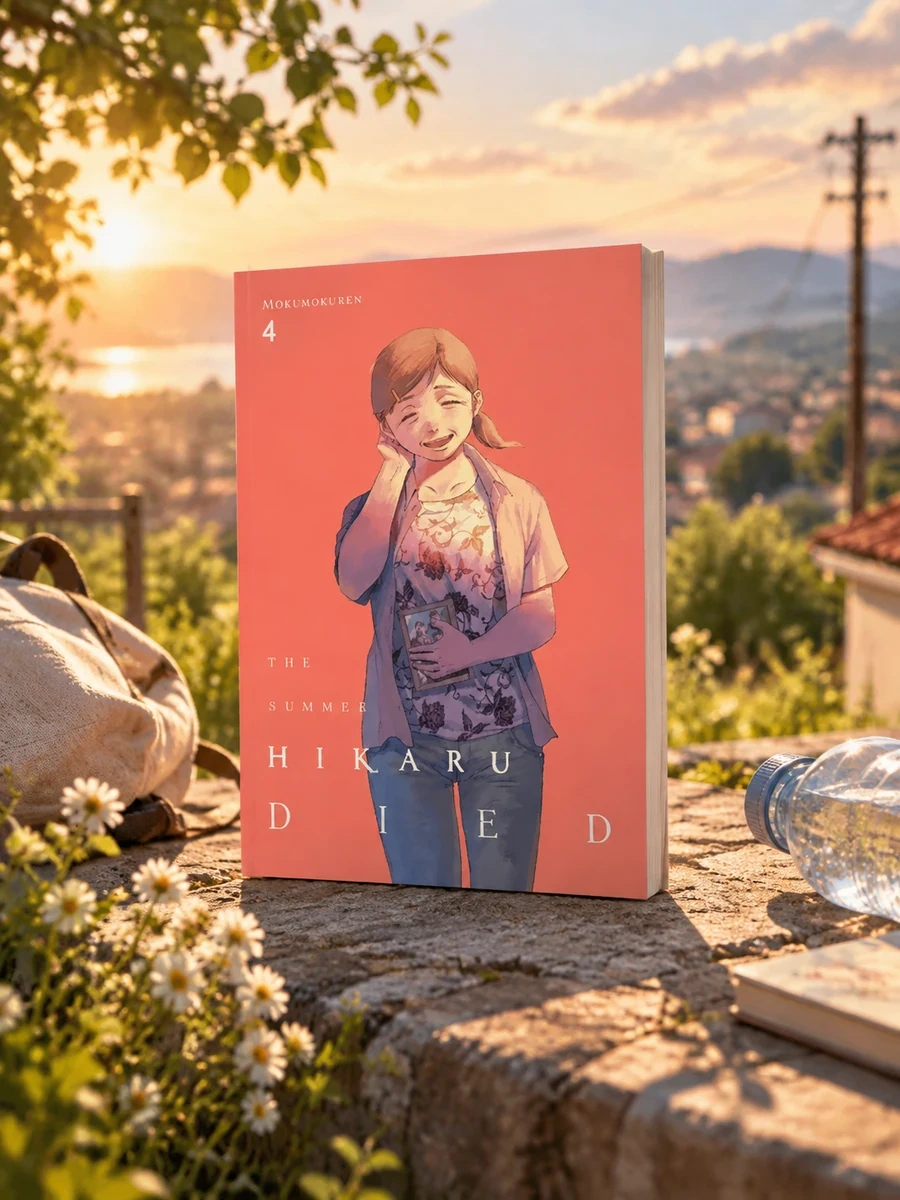
4. The Summer Hikaru Died, Vol. 4 — Mokumokuren
By The Summer Hikaru Died, Vol. 4, the psychological strain on Yoshiki reaches a breaking point. His physical health deteriorates under the stress of managing a volatile supernatural creature, and the codependency between them turns increasingly toxic. The entity becomes more possessive, exhibiting a childlike jealousy that is terrifying given its immense power. Mokumokuren’s artwork shines in the quiet moments of terror, using negative space and the heavy, black shadows of the summer foliage to create an atmosphere where danger feels omnipresent. This volume solidifies the series' rating for older teens, as the psychological themes become heavier and the threat of graphic violence looms larger.
The Main Manga Series: Volumes 5–8
As the narrative progresses, the line between victim and accomplice blurs. The second half of the currently available English run pushes the characters out of their isolated bubble and forces them to confront the history of the mountain and the town’s older residents.
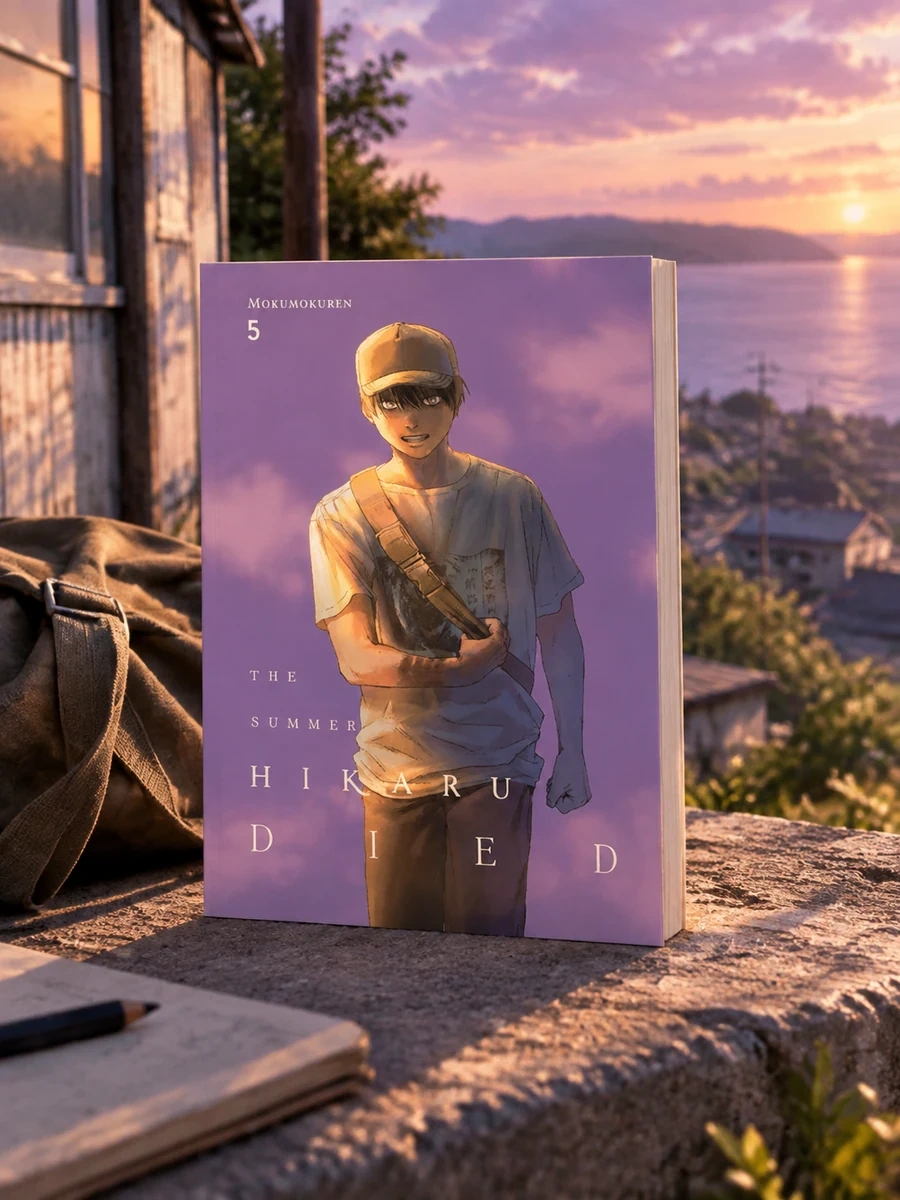
5. The Summer Hikaru Died, Vol. 5 — Mokumokuren
Entering the second phase of the story, The Summer Hikaru Died, Vol. 5 shifts gears to explore the mechanics of the entity itself. We learn more about how it processes memories and emotions, which only makes its existence more tragic. The entity genuinely believes it is providing a service to Yoshiki by keeping Hikaru alive in form, unable to grasp the profound violation of stealing a corpse. This volume leans heavily into the emotional weight of grief. The horror here is less about jump scares and more about the existential dread of loving an illusion. It is a brilliant, heartbreaking continuation that deepens the mythology.
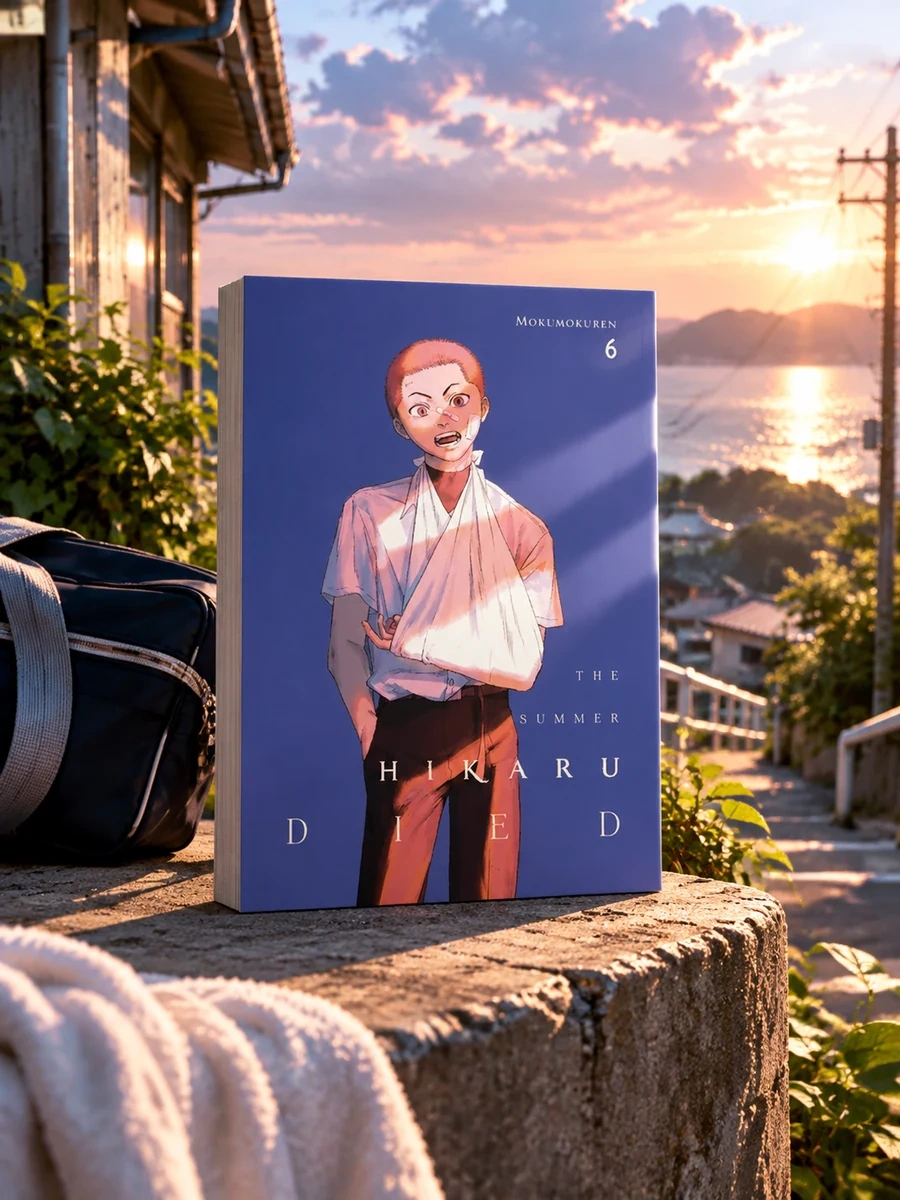
6. The Summer Hikaru Died, Vol. 6: Volume 6 — Mokumokuren
The tension snaps in The Summer Hikaru Died, Vol. 6: Volume 6, where the slow-burn psychological elements give way to immediate, visceral danger. Other residents in the village start connecting the dots, and the protective bubble Yoshiki has built around the entity is pierced. Mokumokuren’s talent for body horror takes center stage, illustrating the entity's monstrous true nature in ways that are deeply unsettling. The paneling becomes erratic and frenetic, matching the sudden escalation in pacing. It is a pivotal point in the series that rewards the slow buildup of the previous volumes with intense, horrific payoff.
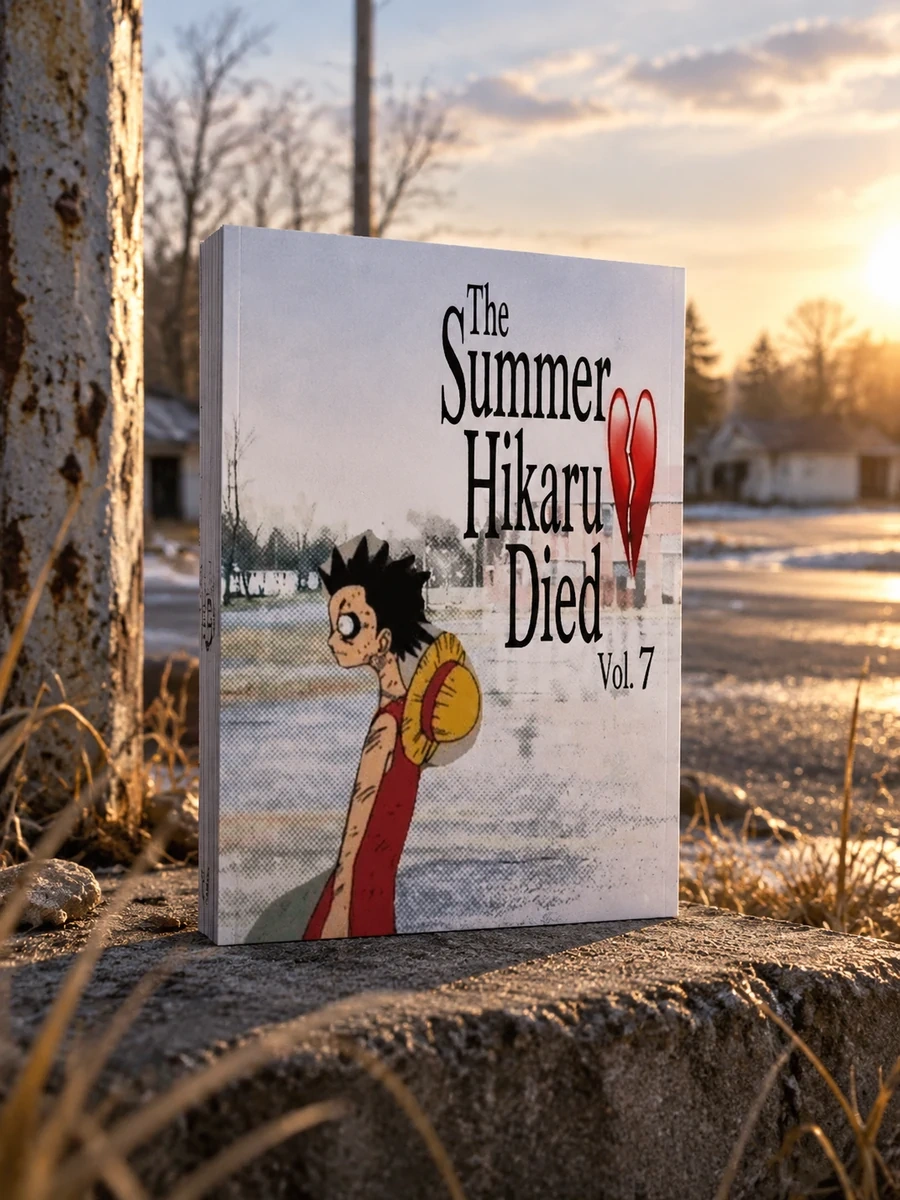
7. The Summer Hikaru Died, Vol. 7 — Mokumokuren
In The Summer Hikaru Died, Vol. 7, the narrative flashes back to provide crucial context about the town's history. We begin to understand why the entity chose Hikaru and what the mountain actually represents to the older generations. This volume feels like assembling the final pieces of a puzzle, recontextualizing many of the strange, offhand comments the adults made in earlier chapters. The tragedy of the real Hikaru's fate becomes clearer, forcing Yoshiki to finally confront the reality of what he has been protecting. The storytelling is dense, requiring careful reading to pick up on the visual clues Mokumokuren leaves in the background art.
8. The Summer Hikaru Died, Vol. 8 — Mokumokuren
Bringing us to the current edge of the English manga release, The Summer Hikaru Died, Vol. 8 sets the stage for a massive confrontation. The dynamic between Yoshiki and the fake Hikaru is permanently altered by the events of the previous volumes. They can no longer pretend to be normal high schoolers. The oppressive summer heat feels heavier than ever, and the isolation of the rural setting transforms from a quiet backdrop into a locked cage. This volume expertly balances the large-scale supernatural threat with the intimate, heartbreaking reality of a boy who simply cannot let go of his friend.
The Companion Light Novels
While the manga is the definitive way to experience Mokumokuren's vision, the companion light novels offer a fantastic supplementary experience. They adapt the events of the manga but leverage the prose format to provide extensive internal monologues that the visual medium intentionally leaves ambiguous.
9. The Summer Hikaru Died, Vol. 1 (Light Novel): Volume 1 — Mio Nukaga
Adapting the early events of the story, The Summer Hikaru Died, Vol. 1 (Light Novel): Volume 1 by Mio Nukaga translates the visual dread into suffocating prose. The light novel format allows readers to sit directly inside Yoshiki's head, experiencing the agonizing minute-by-minute rationalizations he makes to accept the monster. Where the manga relies on Mokumokuren's chilling artwork to convey the entity's wrongness, the prose uses vivid, unsettling sensory descriptions—the smell of the mountain dirt, the wrong pitch of the entity's voice, the coldness of its skin. It is an excellent read for fans who want a more intimate understanding of the characters' psychological state.
10. The Summer Hikaru Died, Vol. 2 (Light Novel) — Mio Nukaga
Continuing the adaptation, The Summer Hikaru Died, Vol. 2 (Light Novel) pushes further into the narrative, providing alternative perspectives on the escalating supernatural events. By giving voice to some of the supporting characters and exploring the town's folklore in written detail, this volume enriches the world-building. It serves as a fantastic companion piece, best read after you have consumed the corresponding manga volumes. Nukaga captures the oppressive, sticky atmosphere of the rural summer perfectly, making this a highly recommended addition to your collection for under $20.
How to Best Experience the Horror
Approaching a multimedia series can sometimes feel overwhelming, but the path here is straightforward. The manga is the original, definitive text. You should absolutely read the main manga volumes first, allowing Mokumokuren’s incredible visual direction to set the baseline for the horror. The use of dense inking, erratic panel layouts, and the sheer visual shock of the entity’s transformations are things that simply must be seen to be fully appreciated.
Once you have read through the available manga, pick up the light novels. Think of them as a director's cut that explores the deleted internal thoughts of the cast. They are perfect for a quiet October night when you want to revisit the tension of the story but through a more introspective, literary lens. The brilliance of this series lies in its emotional honesty—the horrific lengths a person will go to avoid the finality of death. Grab the first volume, turn on a fan to simulate that summer breeze, and let the dread wash over you.