Few manga in recent years have burst onto the scene with the explosive energy of Yukinobu Tatsu's hit series. Blending urban ghost legends, sci-fi alien abduction lore, high school romance, and hyper-kinetic battle choreography, this story refuses to stay inside a single genre box. If you recently watched the anime adaptation or caught panels trending across social media, figuring out where to jump into the print releases is delightfully simple.
The best news for new readers is that this series follows a clean, single-track chronological order. Unlike sprawling franchises with messy prequels, zero-volumes, gaiden chapters, or light novel side stories, Tatsu built his narrative as a direct, sequential line. You do not need a complicated flowchart or cross-reference guide to follow the main cast.
To get started, all you need to do is grab Volume 1 and read straight through the numbered releases. Below is our volume-by-volume guide to the reading order, breaking down what happens in each section, how the cast grows, and why Tatsu's artwork makes every physical book worth owning.
The Supernatural Awakening: Volumes 1 to 4
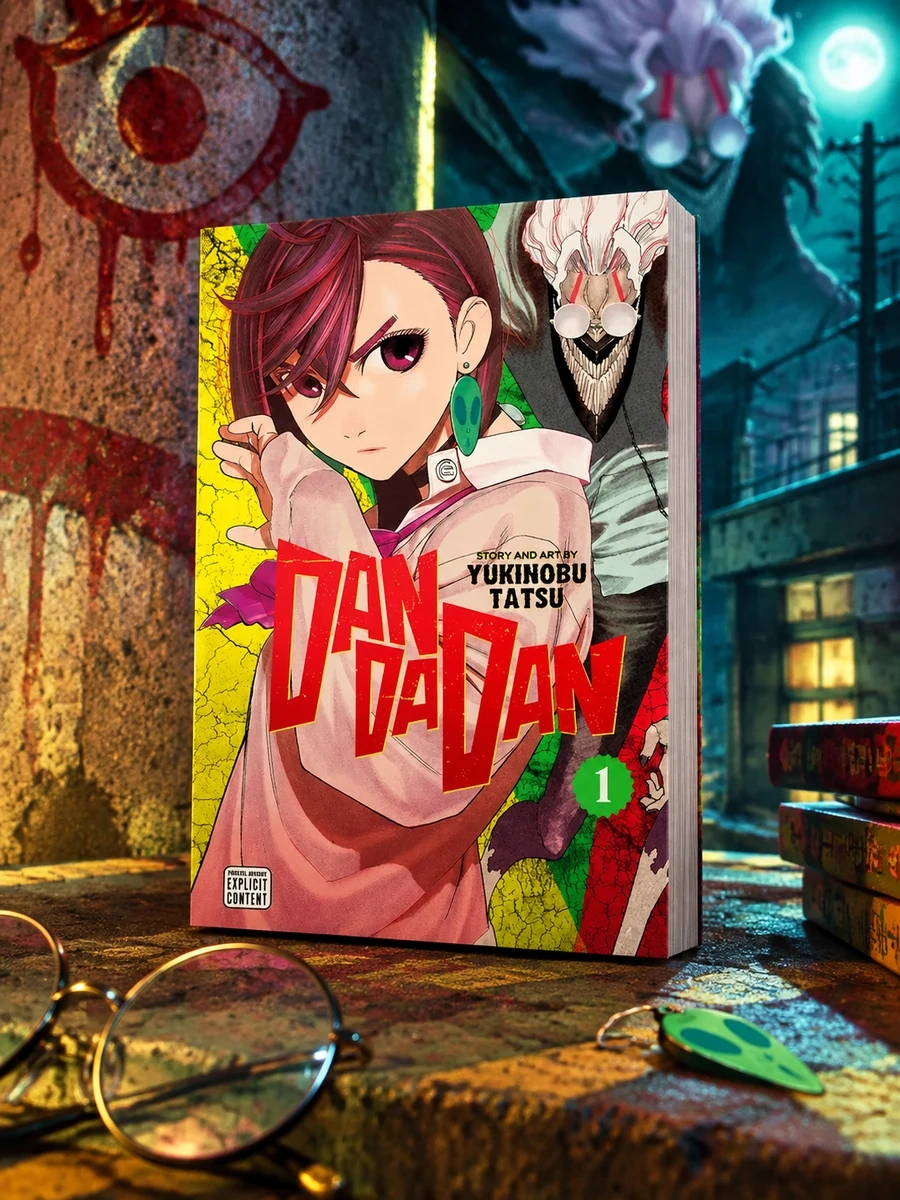
1. Dandadan, Vol. 1 — Yukinobu Tatsu
The chaos starts with a simple high school debate. Momo Ayase comes from a family of spirit mediums and firmly believes in ghosts, but dismisses aliens as sci-fi nonsense. Ken "Okarun" Takakura is an outcast occult fanatic who believes fervently in extra-terrestrials, but scoffs at supernatural spirits. To prove each other wrong, they make a wager: Momo visits an abandoned hospital known for alien sightings, while Okarun enters a haunted tunnel famous for ghost hauntings. Both turn out to be right, resulting in Momo awakening her dormant psychic powers and Okarun getting possessed by the terrifying Turbo Grandma. Dandadan, Vol. 1 sets a breakneck pace immediately, pairing jaw-dropping splash pages with laugh-out-loud character chemistry. Physical copies are widely available for under $20.
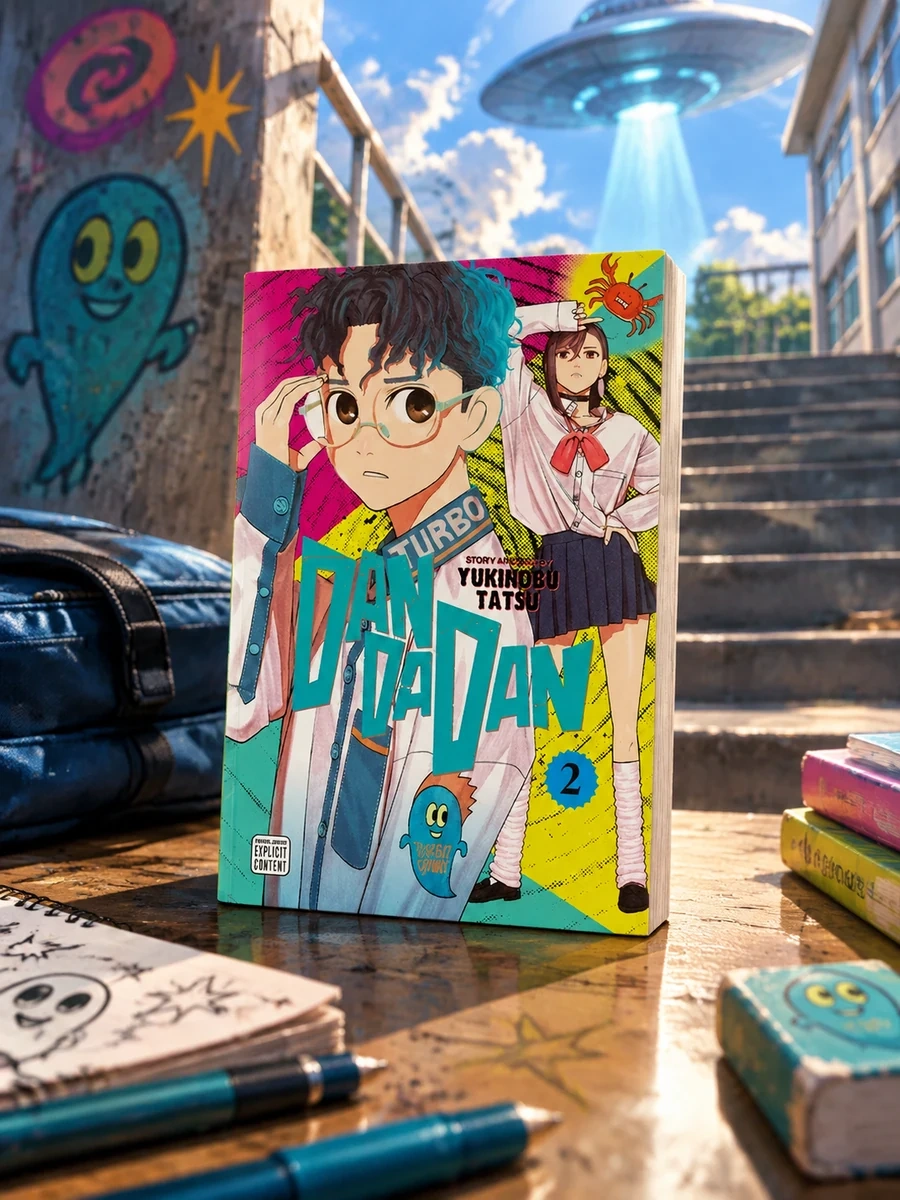
2. Dandadan, Vol. 2 — Yukinobu Tatsu
With Turbo Grandma temporarily suppressed, Momo and Okarun face an unexpected problem: Okarun's spiritual powers and personal blessings have been scattered across town, triggering a scramble to recover them before rogue spirits harvest their energy. Dandadan, Vol. 2 introduces popular classmate Aira Shiratori, who stumbles into the supernatural crossfire after picking up one of the cursed spheres. Tatsu showcases his rare ability to pivot seamlessly from absurd teenage awkwardness to terrifying yokai character designs, ensuring every page feels unpredictable and visually dense.
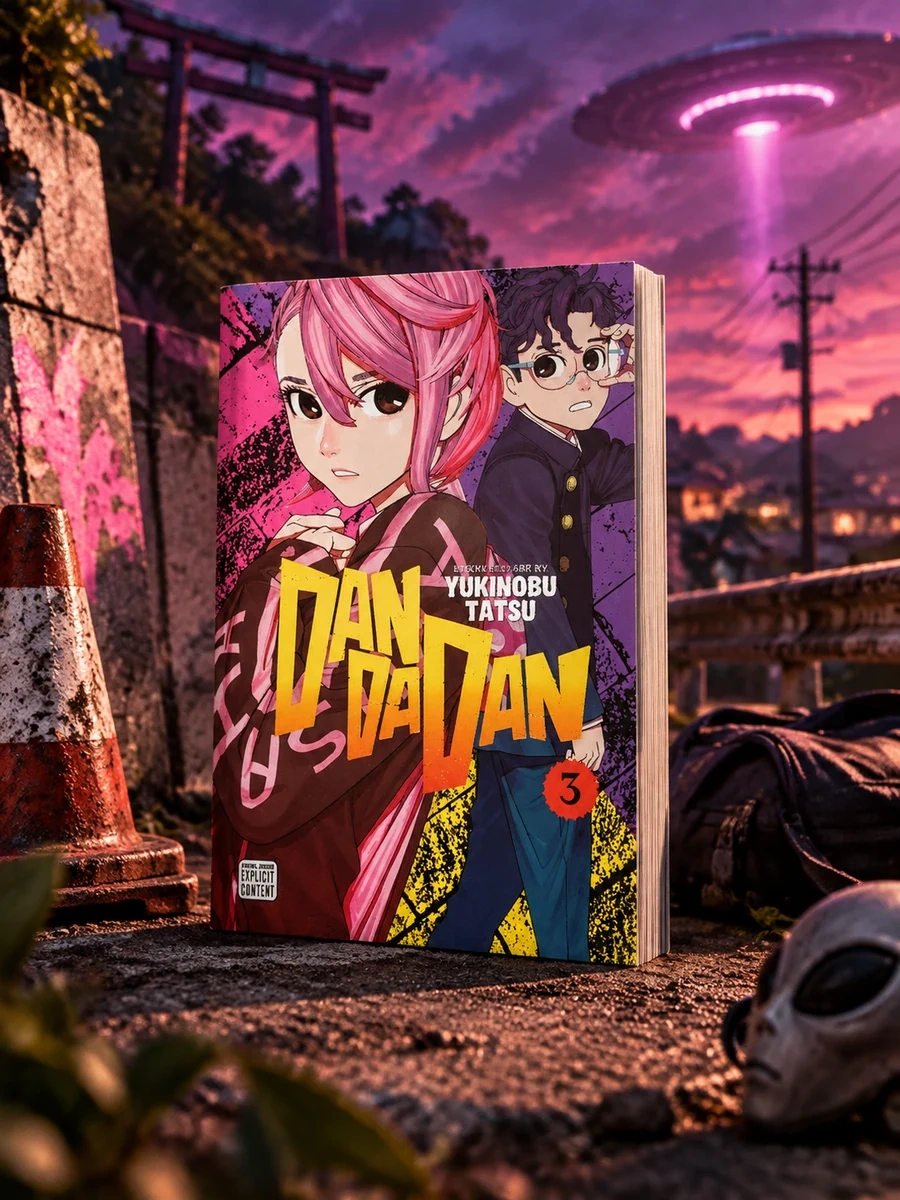
3. Dandadan, Vol. 3 — Yukinobu Tatsu
The emotional resonance of the series deepens dramatically in Dandadan, Vol. 3 during the climax of the Acro Silky encounter. Rather than treating ghosts purely as monsters to be vanquished, Tatsu explores the tragic human stories behind spirit hauntings. Aira earns her own supernatural abilities here, joining Momo and Okarun to form an uneasy trio. The combat choreography in this volume highlights Tatsu's signature sense of speed, using dramatic perspective lines and motion blurs that make action sequences practically jump off the paper.
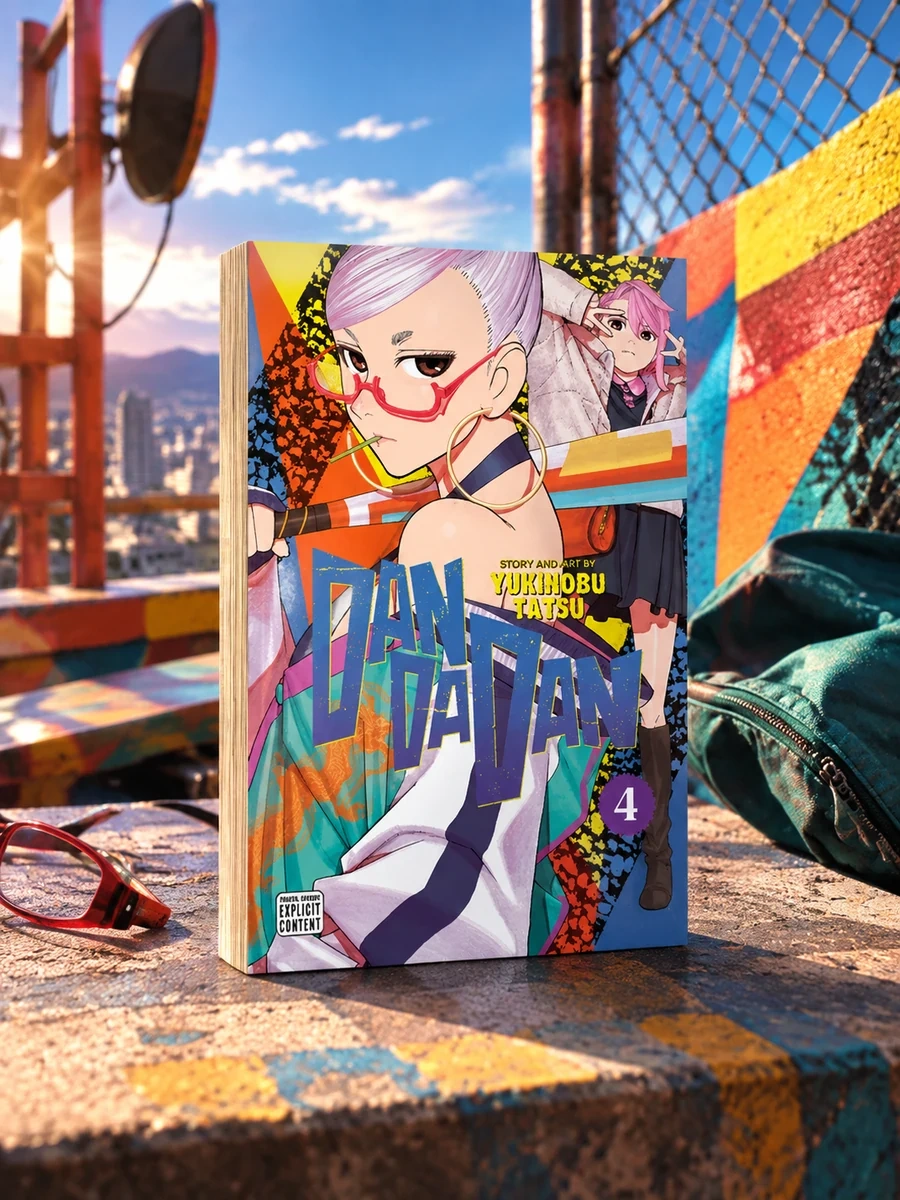
4. Dandadan, Vol. 4 — Yukinobu Tatsu
The group dynamic shifts with the arrival of Jin Enjoji, nicknamed Jiji, who happens to be Momo's childhood crush and first love. His sudden appearance sparks hilarious romantic jealousy from Okarun, but personal rivalries are quickly put aside when Jiji's family home becomes the focal point of a horrifying cursed spirit phenomenon. Dandadan, Vol. 4 kicks off the fan-favorite Cursed House arc, combining spine-chilling horror atmospheres with classic shonen battle escalation.
Subterranean Horrors and Alien Armadas: Volumes 5 to 8
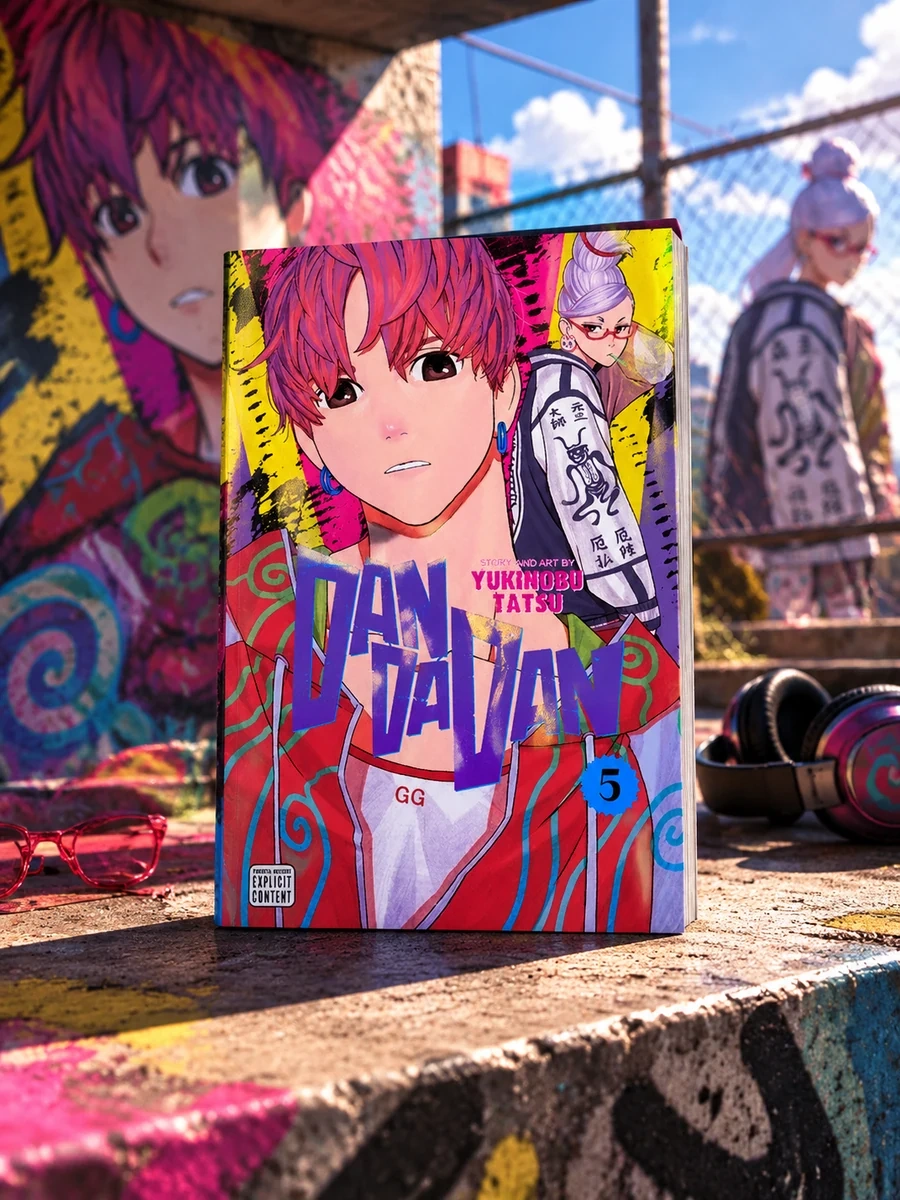
5. Dandadan, Vol. 5 — Yukinobu Tatsu
Inside the subterranean caverns beneath Jiji's family home, the horror escalates into all-out war. Dandadan, Vol. 5 features the birth of the Evil Eye, an ancient and vengeful spirit that takes over Jiji's body. Tatsu delivers some of his most striking double-page spreads to date, depicting massive underground worms and eerie ritualistic architecture. The volume balances intense desperation with high-stakes teamwork as Momo and Okarun push their abilities to absolute limits.
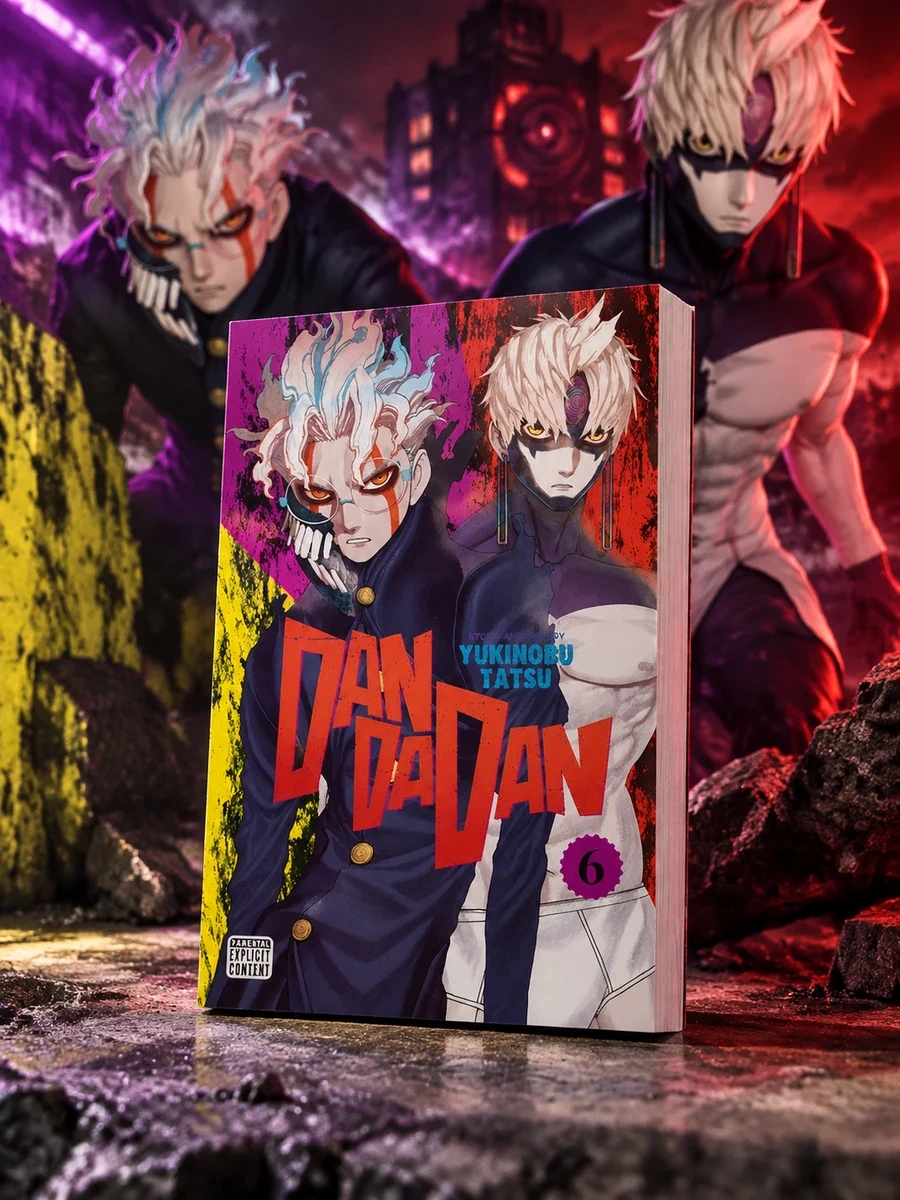
6. Dandadan, Vol. 6 — Yukinobu Tatsu
Taming the Evil Eye proves to be an ongoing challenge, as the spirit possesses overwhelming combat power and an unquenchable urge to destroy. Dandadan, Vol. 6 focuses on the gang attempting to manage Jiji's condition through strict rules, cold showers, and surprisingly tactical compromises. This volume highlights the series' unique charm: transition chapters filled with everyday high school antics, eating meals, and studying feel just as engaging as the high-octane battle sequences.
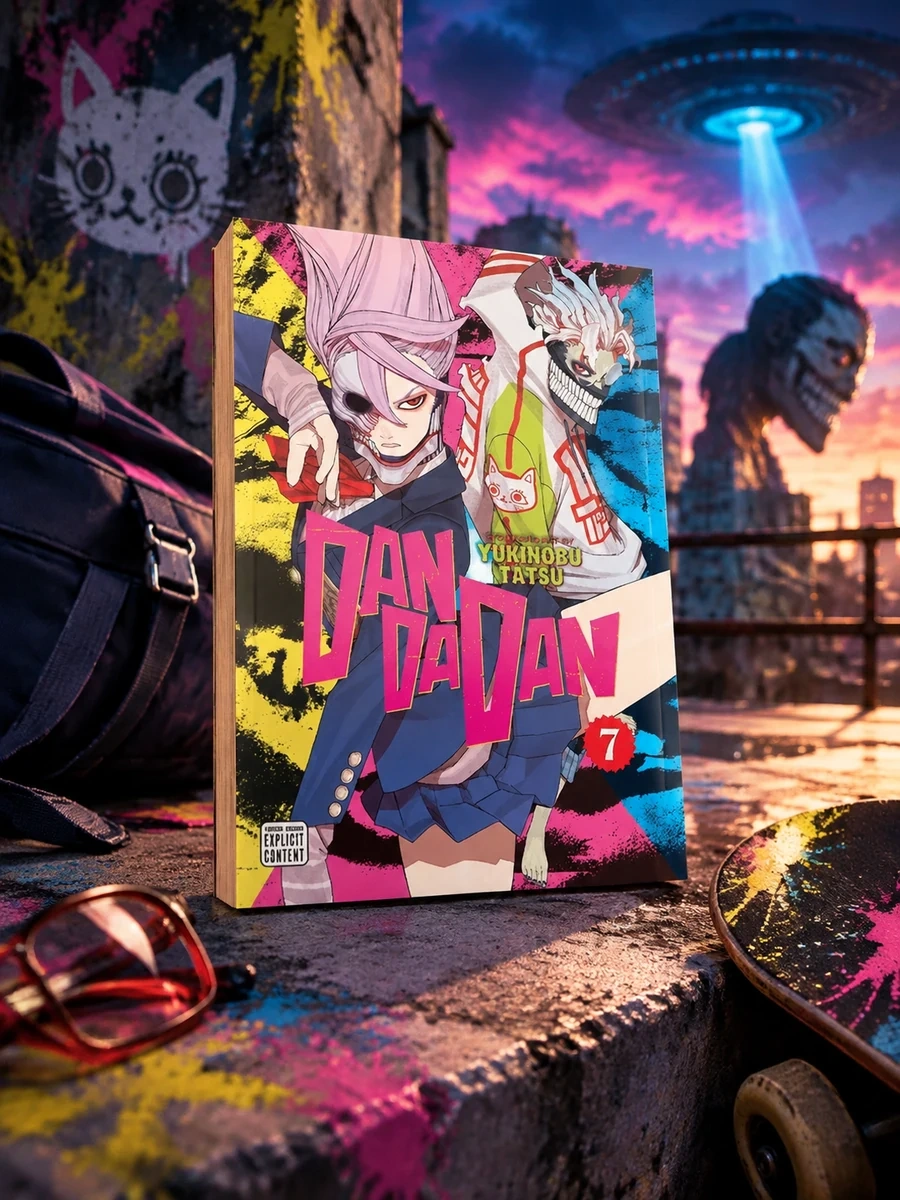
7. Dandadan, Vol. 7 — Yukinobu Tatsu
Sci-fi elements swing back to center stage in Dandadan, Vol. 7 with the introduction of Kinta Sakata, a self-proclaimed tech genius and mech enthusiast. When a squad of hostile alien invaders targets the town, the kids are forced to combine alien technology with spiritual energy. The result is a wild homage to classic kaiju and mecha anime, proving that Yukinobu Tatsu can seamlessly blend monster movie tropes with traditional Japanese folklore without losing narrative momentum.
8. Dandadan, Vol. 8 — Yukinobu Tatsu
The clash against the space invaders intensifies in Dandadan, Vol. 8, featuring coordinated team battles that showcase how much each main character has grown. Okarun gains better mastery over his Turbo Grandma transformation speeds, while Momo refines her psychokinetic giant hands. The artwork in this installment is exceptionally crisp, detailing intricate sci-fi suits, exploding energy beams, and dynamic acrobatic poses.
Global Battles and Cursed Artifacts: Volumes 9 to 12
9. Dandadan, Vol. 9 — Yukinobu Tatsu
An incoming global invasion armada forces Momo, Okarun, and their expanded group of allies to prepare for their largest battle yet. Dandadan, Vol. 9 brings together human psychic users, subterranean creatures, and redeemed alien allies in a massive defense operation. Tatsu's background art and cinematic framing excel here, creating a sense of scale that feels more like a blockbuster film than a weekly manga.
10. Dandadan, Vol. 10 — Yukinobu Tatsu
The alien invasion arc reaches its absolute boiling point in Dandadan, Vol. 10. Multi-stage battles rage across the city as every member of the core squad gets their own dedicated moment to shine. Beneath the flashy explosions and superpower clashes, the genuine emotional bond between Momo and Okarun anchors the narrative, giving real weight to every near-miss and clutch save.
11. Dandadan, Vol. 11 — Yukinobu Tatsu
As the fallout from the global invasion settles, Dandadan, Vol. 11 deals with the aftermath and introduces fresh long-term narrative hooks. The group suffers injuries and structural damage, but their bond is stronger than ever. Tatsu uses this volume to recalibrate the overarching plot, dropping mysterious clues about missing golden spheres and ancient talismans scattered across Japan.
12. Dandadan, Vol. 12 — Yukinobu Tatsu
Entering a captivating new narrative phase, Dandadan, Vol. 12 dives into a bizarre storyline centered around a cursed board game and a mysterious trunk. The cast finds themselves trapped in surreal, game-like scenarios where real-world physics no longer apply. It highlights Tatsu's creative flexibility that even after twelve packed volumes, the series continues to invent fresh, weird, and thrilling challenges.
Reading Advice and What to Pick Up Next
Because this series is an ongoing, strictly linear story, the golden rule for new readers is simple: start with Volume 1 and read straight through in numerical order. Unlike long-running shonen series that feature non-canon filler or complicated chronological jumps, every single chapter written by Yukinobu Tatsu builds directly upon the last.
Physical volumes printed by VIZ Media are typically available under $20 each, featuring high-quality paper stock that preserves Tatsu's fine line art, detailed ink hatching, and vibrant cover illustrations. Collecting physical volumes allows you to appreciate the breathtaking double-page spreads in the format they were originally designed for.
If you finish your reading spree and want similar manga experiences, two series stand out immediately:
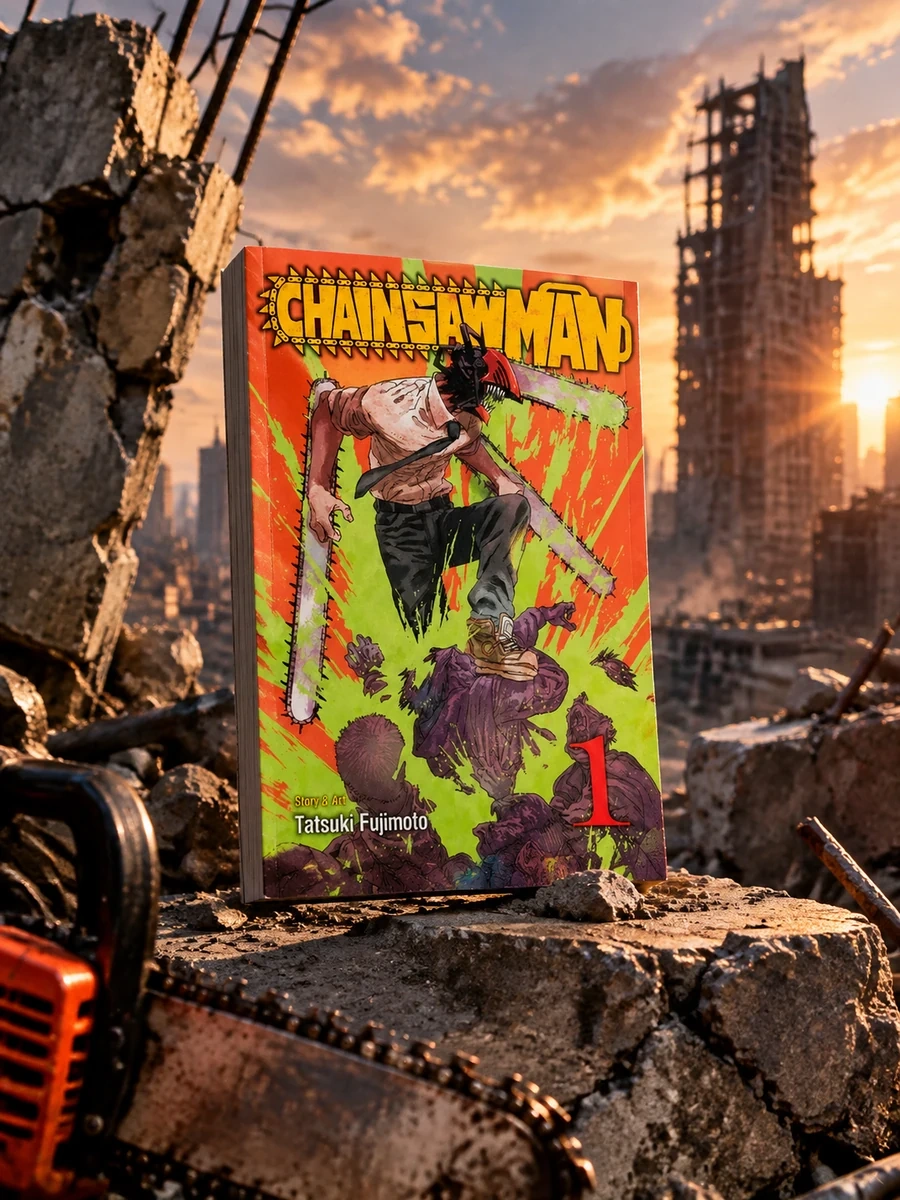
First, check out Chainsaw Man, Vol. 1 by Tatsuki Fujimoto. Yukinobu Tatsu famously worked as an assistant under Fujimoto, and you can see that shared lineage in the dark humor, energetic line work, and unpredictable storytelling.
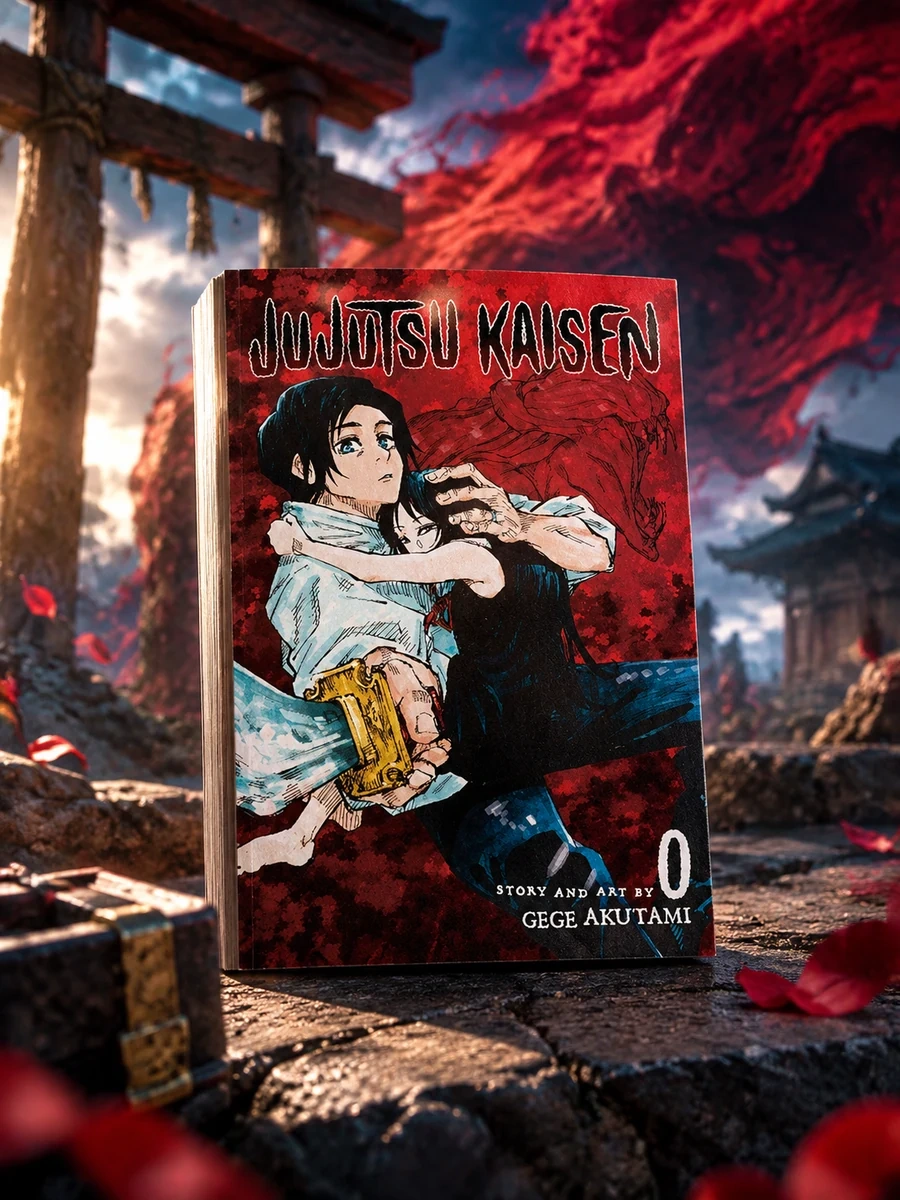
Second, pick up Jujutsu Kaisen 0 by Gege Akutami. If you enjoy supernatural curses, spirit battles, and high-intensity exorcism action, Akutami's standalone prequel offers a fantastic paranormal combat fix.