If you have stumbled upon Wistoria: Wand and Sword recently, you are likely drawn to its striking premise: a world where magic is everything, yet the protagonist refuses to cast a single spell. For readers who enjoy fantasy narratives that deconstruct the typical "chosen one" trope, this series offers a refreshing take on power dynamics, class struggle, and the sheer grit required to survive in a magical academy.
However, with so many fantasy manga available, knowing where to begin can be tricky. Unlike some web novels that jump between timelines or spin-offs, Wistoria follows a linear progression that builds its world-building and character arcs methodically. Starting at the wrong point—such as a side story or a later volume without context—can leave you confused about the relationships between Will, his sister Wisteria, and the complex political landscape of the Mages' Guild.
This guide outlines the definitive reading order for the English release of Wistoria: Wand and Sword. We will also look at why this series stands out in the crowded fantasy genre and how it connects to other works by its creator, Fujino Omori.
The Definitive Reading Order
To fully appreciate the narrative arc of Will Serfort, you must start with Volume 1. The story introduces the core conflict: Will’s determination to become a swordsman in a world that despises non-magical individuals. Each volume builds directly upon the events of the previous one, expanding the scope from school life to broader political conspiracies.
1. Wistoria: Wand and Sword 1 — Fujino Omori
This is the essential starting point. Volume 1 establishes the world of Mages' Academy and introduces Will’s unique philosophy: that a sword can cut through magic if wielded with enough skill and willpower. It sets up the central mystery of his past and his relationship with his sister, Wisteria. If you are new to Fujino Omori’s work, this volume is the perfect entry point.
2. Wistoria: Wand and Sword 2 — Fujino Omori
The second volume deepens the academy dynamics and introduces key allies and rivals. The stakes begin to rise as Will’s non-magical approach to combat starts to draw attention from both faculty and student factions. This volume is crucial for understanding the social hierarchy that Will is fighting against.
3. Wistoria: Wand and Sword 3 — Fujino Omori
As the plot thickens, Volume 3 introduces more complex magical threats and political maneuvering within the academy. The action sequences become more intricate, showcasing Will’s growth as a swordsman. This is where the series begins to distinguish itself from standard shonen fare by focusing on tactical combat rather than just power scaling.
4. Wistoria: Wand and Sword 4 — Fujino Omori
Volume 4 continues the momentum, exploring the darker underbelly of the magical world. Will’s investigation into the truth behind his family’s history takes center stage. The pacing here is tight, balancing character development with high-stakes action.
5. Wistoria: Wand and Sword 5 — Fujino Omori
In this volume, the consequences of Will’s actions begin to ripple outward. New characters are introduced who challenge his worldview, forcing him to adapt his strategies. The art style remains consistent, but the emotional weight of the story increases significantly.
6. Wistoria: Wand and Sword 6 — Fujino Omori
Volume 6 marks a turning point in the series’ timeline. The scope expands beyond the academy walls, introducing larger threats to the magical order. This volume is essential for understanding the broader lore of the world and the history of the Serfort family.
7. Wistoria: Wand and Sword 7 — Fujino Omori
The tension peaks in Volume 7 as alliances are tested and secrets are revealed. Will’s resolve is put to the ultimate test, and the series begins to weave together its various plot threads. This is a critical volume for fans of political fantasy and character-driven narratives.
8. Wistoria: Wand and Sword 8 — Fujino Omori
Volume 8 continues the escalation of conflict. The series does not shy away from the brutal realities of its world, making it a compelling read for mature fantasy fans. The character interactions remain sharp, with dialogue that reveals deep psychological insights into the protagonists.
9. Wistoria: Wand and Sword 10 — Fujino Omori
Note that Volume 9 is not currently available in this catalog. Volume 10 picks up the narrative thread, continuing the exploration of magic vs. swordsmanship. The story has evolved significantly from the academy setting to broader world-building, making this volume a rewarding read for those who have kept up with the earlier installments.
10. Wistoria: Wand and Sword 11 — Fujino Omori
Volume 11 further develops the central conflict, introducing new magical phenomena that challenge Will’s understanding of his own abilities. The series maintains its high quality in both art and storytelling, keeping readers engaged with its unique premise.
11. Wistoria: Wand and Sword 12 — Fujino Omori
In Volume 12, the narrative reaches new heights of complexity. The political intrigue deepens, and Will’s role in the larger conflict becomes more defined. This volume showcases the series’ ability to balance action with thoughtful world-building.
12. Wistoria: Wand and Sword 13 — Fujino Omori
The latest available volume, Volume 13, continues to expand the lore and challenge the status quo. It serves as a satisfying continuation of the journey started in Volume 1, offering new insights into the characters’ motivations and the world’s history.
Why Start with Wistoria?
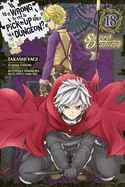
Wistoria: Wand and Sword is not just another fantasy manga; it is a critique of magical elitism wrapped in an action-packed narrative. Fujino Omori, known for Is It Wrong to Try to Pick Up Girls in a Dungeon? on the Side: Sword Oratoria, brings a similar depth to character relationships and world-building. However, Wistoria stands out for its protagonist’s refusal to rely on magic, offering a fresh perspective in a genre dominated by spellcasters.
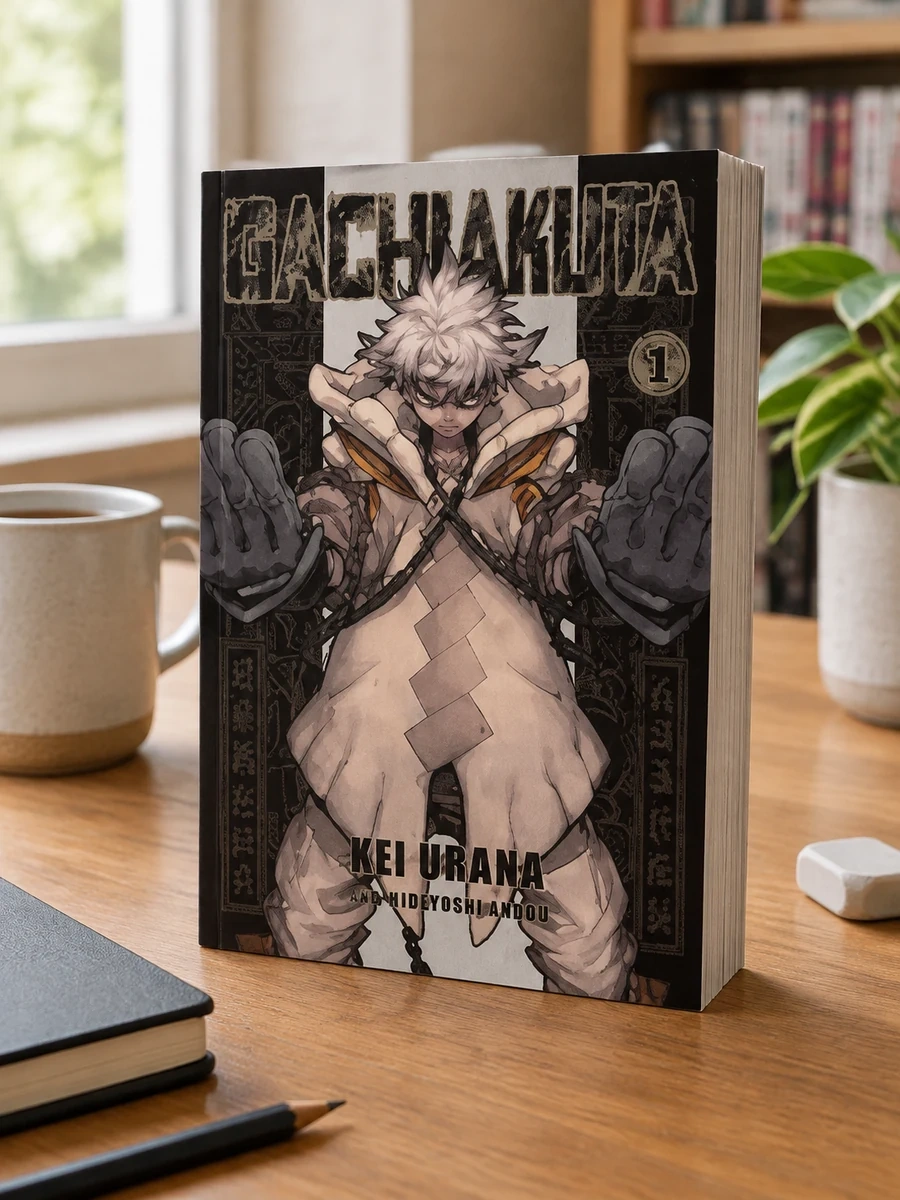
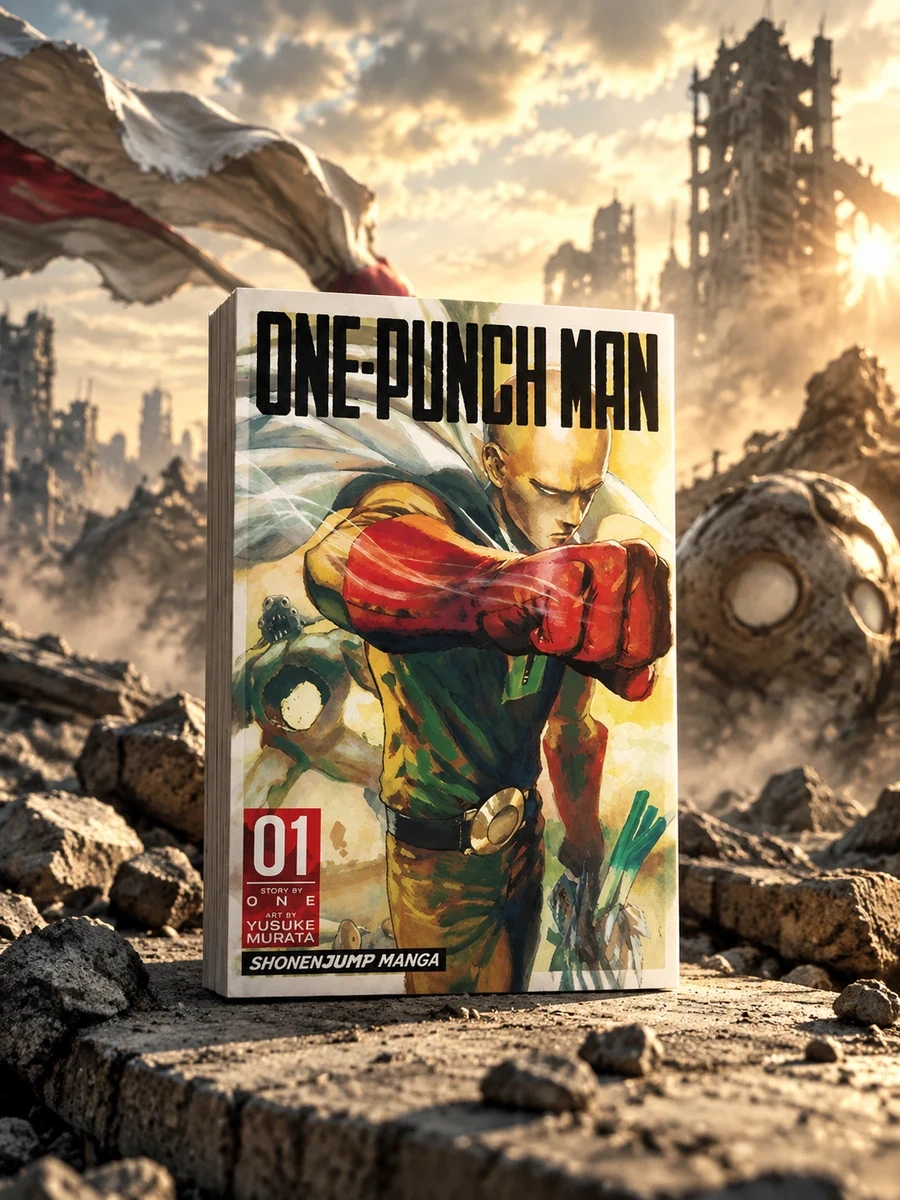
The series is ideal for readers who enjoy tactical combat, political intrigue, and strong character development. It appeals to fans of Gachiakuta and One-Punch Man for its subversion of expectations, though it maintains a more serious tone. The visual storytelling in Wistoria is particularly notable, with clear choreography that allows readers to follow the complex sword techniques despite the absence of magical effects.
Comparisons and Context
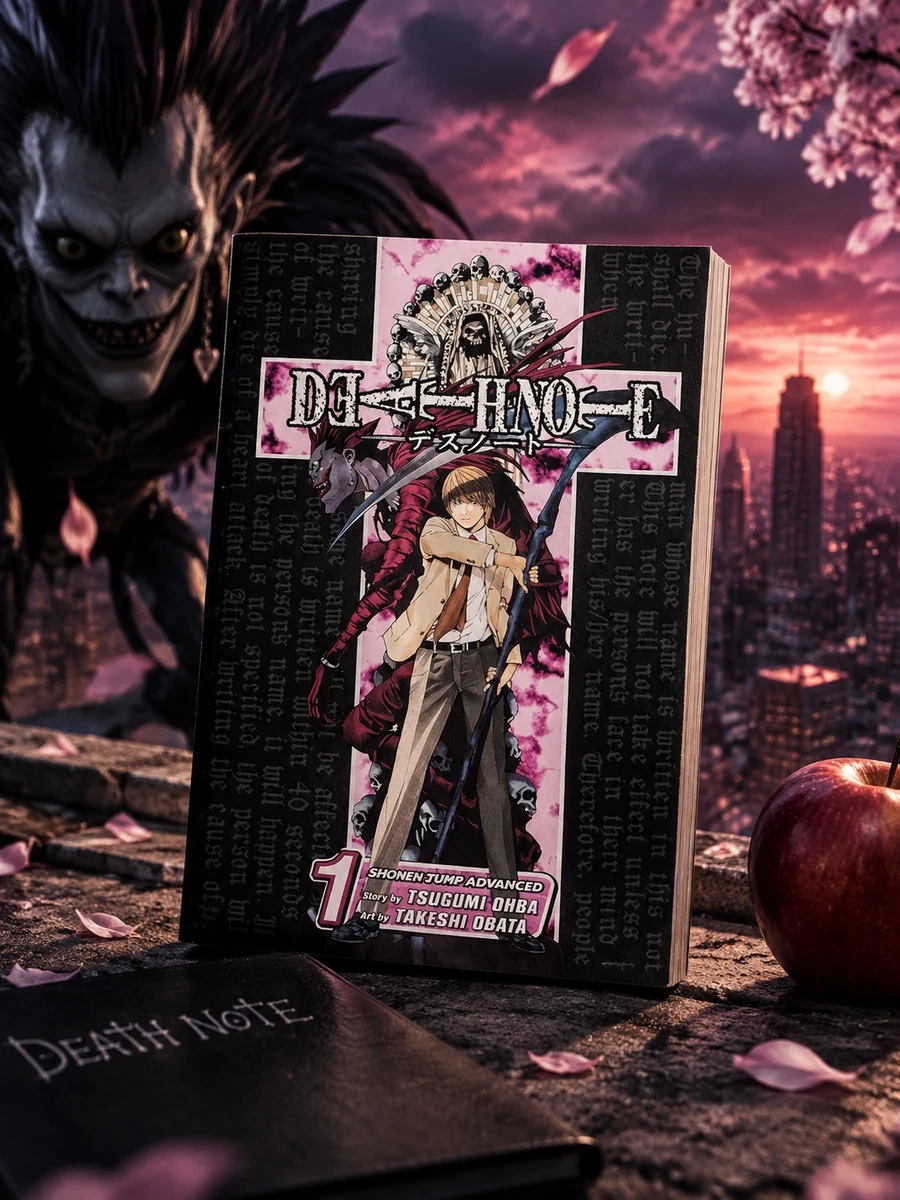
While Wistoria shares thematic similarities with other popular titles, it carves out its own niche. Readers who enjoy the underdog protagonist trope in One Piece, Vol. 1 might find resonance in Will’s determination, though the setting is far more grounded in academic politics than pirate adventure. Similarly, those who appreciate the strategic combat in Death Note, Vol. 1: Boredom will find satisfaction in the intellectual battles Will faces against magical elites.
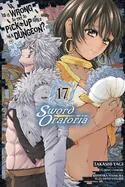
The series also shares a creator with Is It Wrong to Try to Pick Up Girls in a Dungeon? on the Side: Sword Oratoria, Vol. 17 (Manga), allowing fans of that universe to explore Omori’s other works. However, Wistoria is a standalone story with its own complete narrative arc, requiring no prior knowledge of the DanMachi universe.
How to Choose Your Next Read
If you enjoy Wistoria: Wand and Sword, consider exploring other works by Fujino Omori or similar fantasy series that focus on non-magical protagonists in magical worlds. The key is to start with Volume 1 to understand the foundational lore and character dynamics. Avoid jumping into later volumes, as the story’s emotional impact relies on the gradual buildup of Will’s journey.
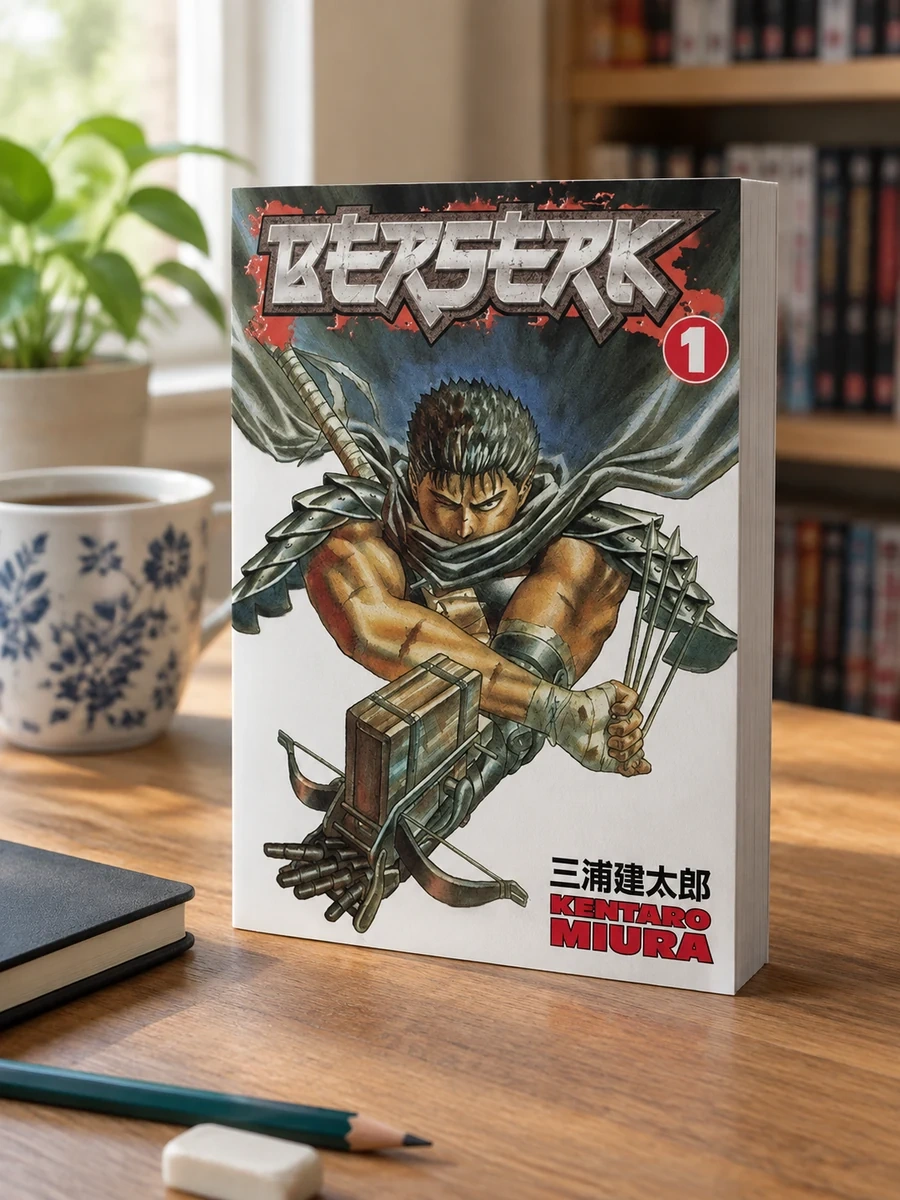
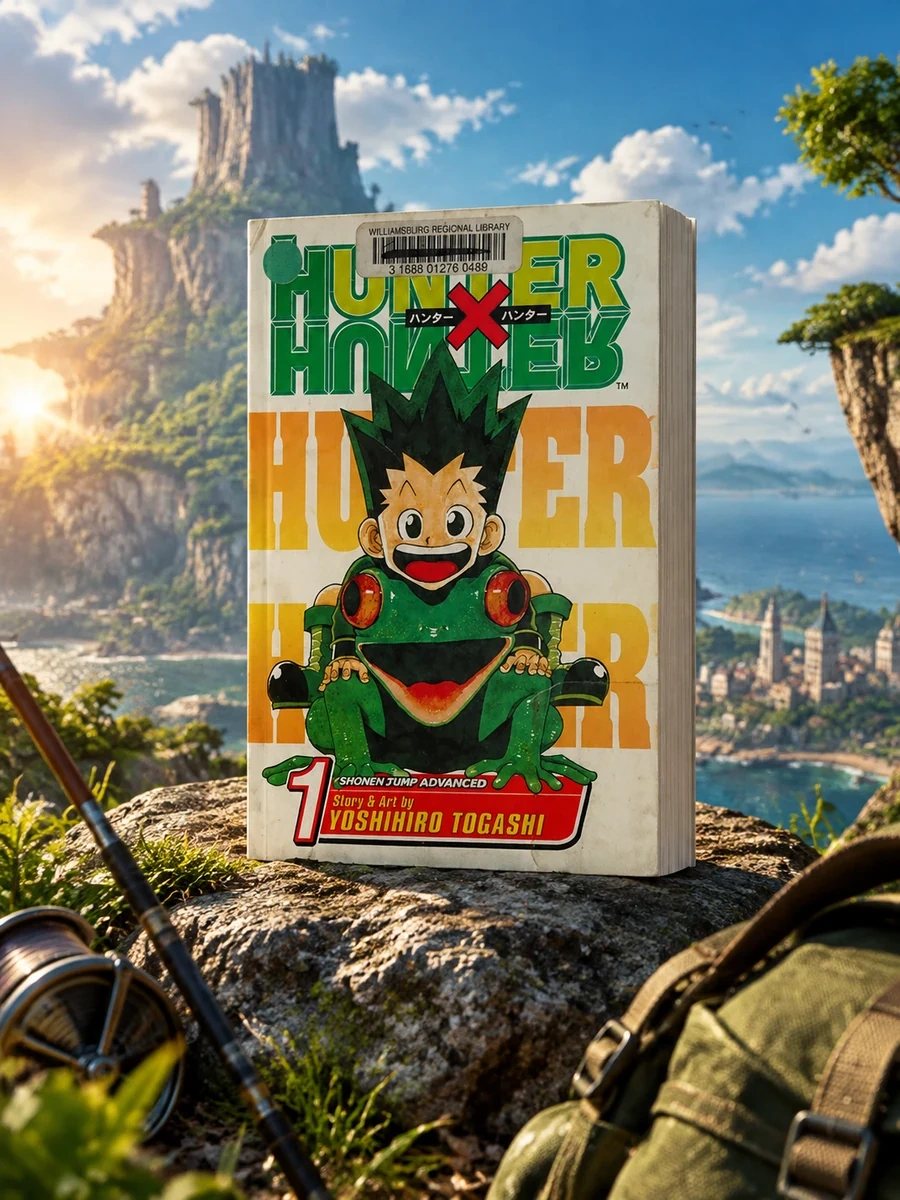
For those looking to expand their fantasy library beyond this series, titles like Berserk Volume 1 offer a darker, more visceral take on medieval fantasy combat, while Hunter X Hunter, Volume 1 provides a complex power system that contrasts with the rigid magic hierarchy in Wistoria. Each of these recommendations offers a distinct flavor of the genre, ensuring there is something for every type of fantasy reader.
Ultimately, the correct reading order ensures you experience the full depth of Will Serfort’s story. By following the volumes sequentially, you will witness the evolution of his skills and the unraveling of the mysteries surrounding his family. This approach maximizes the impact of each plot twist and character development moment.